


Whether you’re tearing it up on a jetski, carving behind the boat on a wakeboard, or just out on the water soaking up the sun - one thing’s for sure: safety should never take a back seat. And when it comes to staying safe on Aussie waters, your life jacket is the single most important bit of kit you’ll buy.
It’s crucial to ensure that your life vest fits well over protective clothing, especially for activities like fishing.
Why It's the Most Important Piece of Watersport Gear You’ll Own

We’re not just talking about ticking a box here. Choosing your first life jacket is about protecting your life, staying comfy for long days on the water, and making sure you’re playing by the rules under Australian maritime laws. A proper life vest isn’t just safety gear—it’s a core part of your water sports setup, like your board or your ride shorts. It’s the one item that’s got your back when it really counts.
If you’re new to the water game, you’ll probably notice pretty quickly that there’s a stack of options - and a whole lot of lingo - that can feel a bit overwhelming. But don’t stress, we’ve broken it all down so you can make a call that suits your riding style, keeps you legal, and helps you stay afloat (literally and metaphorically).
PFDs: The Lifesaver You Shouldn’t Hit the Water Without
Let’s break it down. A life vest - also known as a Personal Flotation Device (PFD)—is built to keep you on the surface and, depending on the type, can even flip you face-up if you’re out cold. Pretty handy, yeah?
In Australia, wearing the right PFD is more than a smart move - it’s the law in a lot of situations, especially when you’re out on a personal watercraft or boat. PFDs are essential safety equipment required by law to ensure the safety of all individuals on board. Whether you’re wakeboarding on a river in Queensland, blasting along the coast of WA, or fishing off the back of your tinny, your vest could be the difference between a close call and a proper rescue.
It’s not just a stat on a safety brochure. It’s real-life backup when things go sideways.
What’s the Difference Between a Life Jacket, Buoyancy Vest and a Personal Flotation Device?
Alright, here’s where it gets a bit jargon-heavy - but hang in there.
In the Aussie watersport scene, you’ll hear a few terms thrown around: life jackets, PFDs, and buoyancy vests. While they all float, they’re not exactly the same.
- PFD (Personal Flotation Device) is the catch-all term for any flotation device.
- Life jacket usually means a high-buoyancy Level 100 or above PFD that’s designed to turn you face-up in the water, even if you’re unconscious.
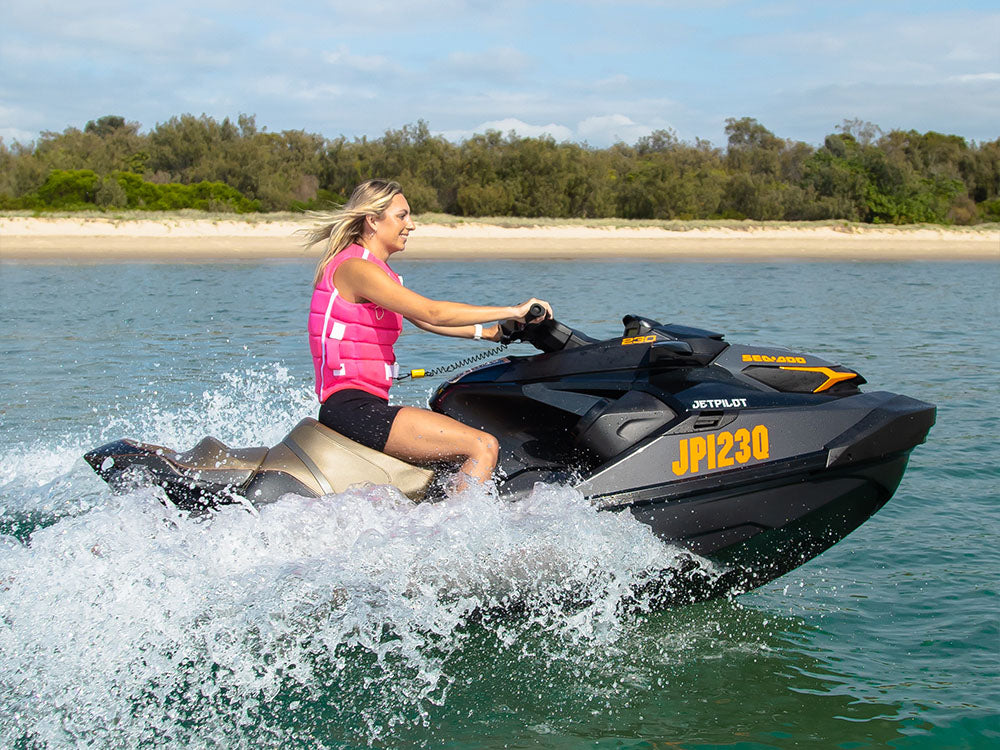
- Buoyancy vest or just vest refers to your lower-profile, Level 50 or 50S vests—designed for active stuff like jetskiing, wakeboarding, and water skiing. These give you the freedom to move, rip, and send it all day long.
In this guide, we’ll use "life vest" as the all-rounder term, but we’ll call out specifics when needed so you know exactly what you’re looking at.

Foam Life Vests: The Ride-or-Die Choice for Aussie Water Action

When it comes to life jackets that just work, foam PFDs are the go-to. They’ve been keeping crew safe on the water for decades, and for good reason—they’re reliable, rugged, and always ready to float. Foam life vests provide buoyancy immediately upon hitting the water, ensuring safety without any delay.
If you’re the kind of bloke who spends his weekends out wakeboarding, jetskiing or towing the groms on a tube, a foam life vest is a no-brainer. No messing around with inflation, no tech to activate - just chuck it on and hit the throttle.
What Are Foam PFDs? (And Why "Inherently Buoyant" Matters)
Foam life vests (aka inherently buoyant PFDs) are built with closed-cell foam - materials like EPE or PVC that stay light, dry, and float no matter what. That means the second you hit the drink, your vest is already working to keep you above water. No pulling cords, no gas cylinders - just solid, instant buoyancy. Foam PFDs often provide more flotation than the legal minimum, which is beneficial for comfort and safety.

On the outside, you’ll usually find nylon or neoprene. Neoprene vests, like the ones we’ve perfected at Jetpilot, hug the body for a comfier, more flexible fit - especially good when you’re carving up the wake or getting airborne on a PWC.
Why Foam Life Jackets Still Rule the Game
There’s a reason foam vests are still the favourite for high-energy water sports across Australia. Here’s why:
- Hard-Wearing & Durable: Foam vests can cop a beating—from salt, sun, and serious session time—without falling apart.
- Impact Protection: That foam core doubles as body armour when you stack it at speed. It’s like having a built-in buffer.
-
Low Maintenance: No cylinders to refill, no inflators to inspect. Just rinse and go.
- Rinse with fresh water after use in salt water or chlorinated pools to prevent damage.
- Always On: No activation needed. You hit the water? It’s already floating.
- Warmth in the Cold: Foam traps body heat, giving you a bit of extra insulation in chilly water.
- Bang for Buck: From basic nylon models to top-shelf neoprene vests, you get long-term value without the ongoing upkeep costs of inflatable options.

Yeah But… Aren’t Foam Vests Bulky?
They used to be, sure. But things have changed. Modern foam PFDs - especially the ones in Jetpilot’s neoprene range - have come a long way. Segmented foam panels mean a snug, flexible fit that moves with you, not against you.
Choosing the correct size is crucial to ensure this snug, flexible fit, especially for children, where weight-based sizing is essential.
That said, here’s the honest truth:
- More Bulk Than Inflatable Vests: You’ll notice it more if you’re paddling or trying to tuck into tight spots.
- Hot in Summer: All that foam means warmth - which can be a bonus or a sweat-fest, depending on the day.
- Some Older Styles Can Rub: Especially cheaper nylon ones. But with a properly fitted Jetpilot vest, you’ll hardly notice it.
Best Water Sports for Foam Vests
If your weekend looks anything like ours, you’re gonna want foam on your side for various water activities such as jetskiing, wakeboarding, and tubing. Here’s where they shine:
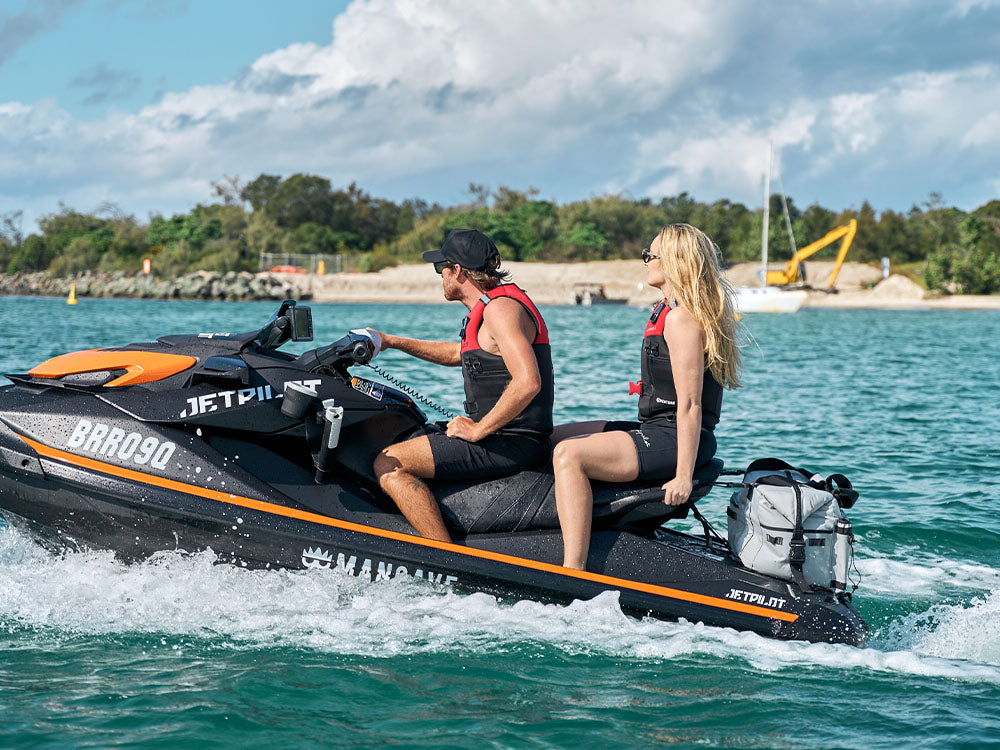
- Jetskiing (PWC Riding): For both riders and passengers - gives you float and a bit of impact buffer if you come off hard.
- Wakeboarding & Waterskiing: High-speed thrills, high-stakes stacks - foam vests are your best bet.
- Tubing: You’re gonna fly off. It’s half the fun. Foam vests keep you safe while you do it.
- Frequent Water Re-Entry: Climbing in and out of the boat or PWC all day? Foam vests hold up to the hustle.

At the end of the day, foam life vests are the top pick for most adrenaline-charged watersports and often the one you need to wear under Aussie boating laws. If you’re serious about your time on the water, this is where you start.
Inflatable Life Vests: Lightweight Legends for Laid-Back Days on the Water
Inflatable life vests have carved out a solid reputation as the sleek, compact cousin to your classic foam PFD. They’re not the main event in Jetpilot’s world (we’re all about that high-impact action), but they definitely have their place, especially if you’re after max comfort and mobility in calmer conditions. Besides adult options, Jetpilot's kids' life jackets and PFDs are designed to ensure safety during water activities, showcasing a commitment to child safety. Inflatable lifejackets, with their buoyancy system that relies on carbon dioxide (CO2) for a lightweight and less bulky design, are particularly noteworthy.
If you’re cruising on flat water or casting a line in the bay, an inflatable vest might be just the ticket. But for high-octane jetski riding or sending it behind the boat? Foam still wins every time.
How Inflatable PFDs Work: Manual vs. Automatic Inflation

Inflatable PFDs are all about stealth until it’s go-time. They stay deflated and out of your way—until they’re triggered by water or a quick pull of the cord.
- Manual inflation: You yank the toggle, a CO2 cartridge punches into action, and the bladder inflates.
- Automatic inflation: These kick in on their own when submerged, thanks to a water-sensitive bobbin or hydrostatic valve. Most models also have a backup mouthpiece for extra safety.
But here’s the catch: because these vests rely on mechanical parts (like CO2 canisters and activation devices), they need a bit of babysitting. Regular checks are non-negotiable, and rearming after a deployment can be a bit of a mission.
Why People Love Inflatable Life Vests
When they’re uninflated, inflatables are about as low-profile as it gets. Here’s where they shine:
- Freedom of movement: Lightweight and minimal - ideal when you need full range of motion.
- Compact storage: Chuck it in your bag, no dramas.
- Serious buoyancy (when inflated): Many models hit 150 Newtons or more - plenty of float to turn someone face-up in the water.
- For activities where you’re unlikely to hit the water hard, or if you’re confident on your feet (and in the drink), inflatables offer comfort and convenience all day long.
The Not-So-Great Side of the Inflatable Lifejacket
For all their sleek style, inflatable vests aren’t for every situation, especially not for high-impact water sports. Here’s what you need to know:
- Needs maintenance: You’ll have to keep tabs on the CO2 cylinder, expiry dates, and seals. Skip it and you could be in strife.
- Cost to rearm: After each inflation, you’re up for a new gas canister and possibly a new bobbin. Not cheap, not quick.
- Not for jetskiing, wakeboarding or waterskiing: The risk of hard impact or accidental inflation makes them a no-go.
- Not ideal for non-swimmers (unless already inflated): They offer zero buoyancy until activated.
- Mechanical risk: Like any gadget, stuff can fail. Maintenance matters.
- Manual = delayed help: If you’re unconscious, a manual inflatable does nothing.
- Auto = surprise inflation: Rain, spray, or rogue splashes can set it off. Not ideal when you’re just copping some spray at speed.
So, if your weekend plans involve carving, jumping, or getting slammed into the water at 40km/h, inflatable vests won’t cut it. Stick with foam.
When Inflatable Life Vests Make Sense
 (Image sources: 1. https://onthewater.com/ 2. Jetpilot.com.au 3. https://marinewise.com.au/ )
While they’re not built for the big hits, inflatable PFDs are perfect for:
- Boating on calm waters
- Fishing missions on still bays or estuaries
- Sailing - especially inshore or smooth water cruising
- Situations where comfort and range of motion are top priority
The Verdict - The Best Life Jacket Type?

If you’re a solid swimmer, boating in mellow conditions, and want something you’ll barely notice you’re wearing, an inflatable vest might be a handy option to have in your arsenal.But for the Jetpilot crew - riders, racers, wake chasers - foam is where it’s at. Inflatables are good, but when it comes to impact sports, they just don’t stack up.