




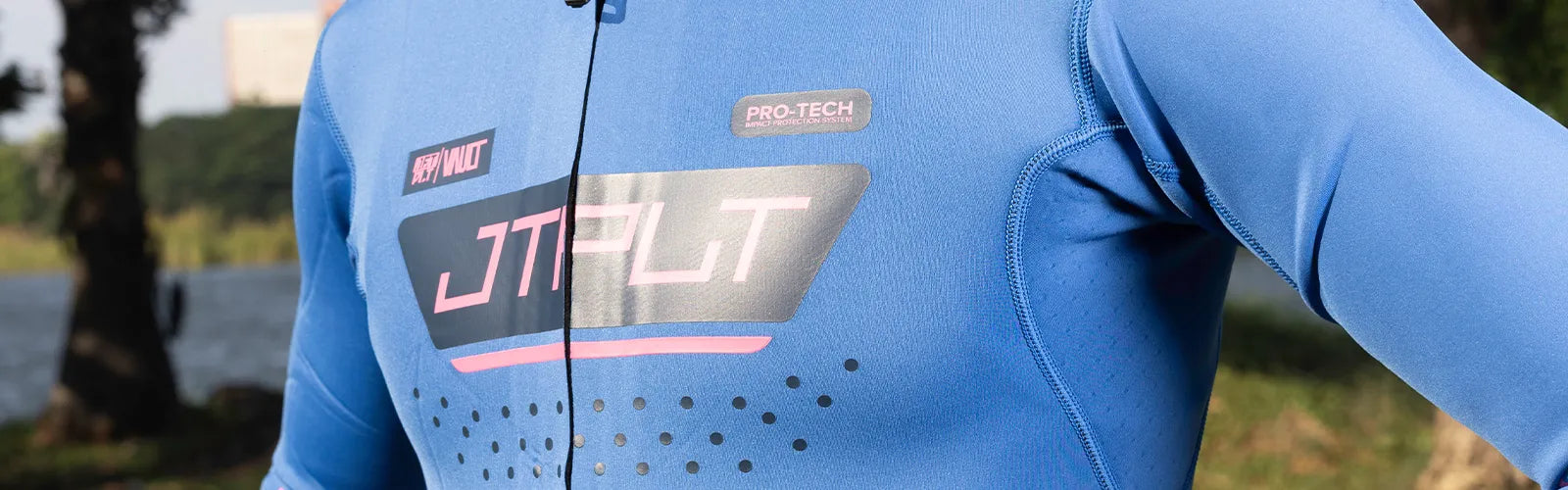
Mens Wetsuits: Race Johns, Springsuits & Neoprene
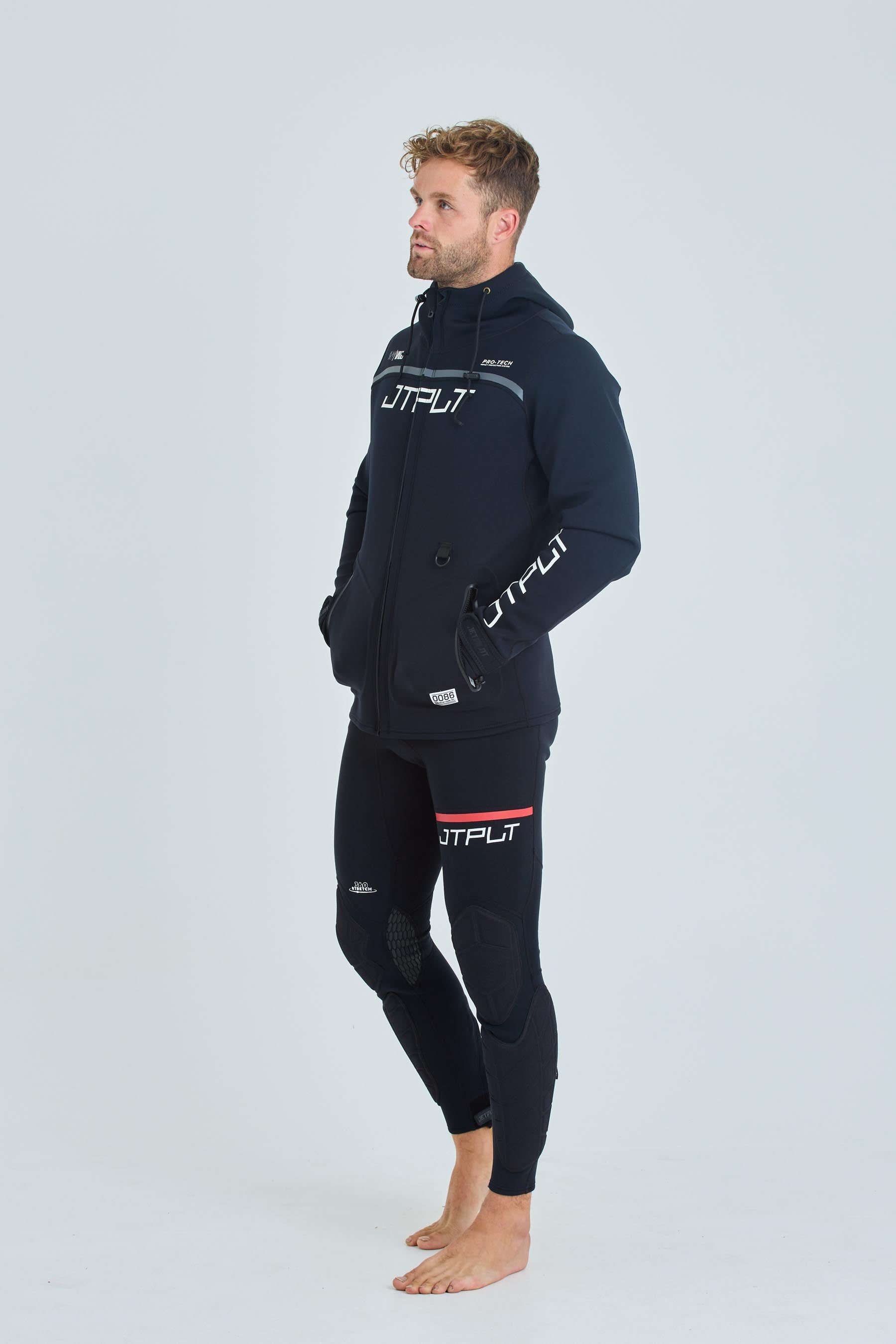
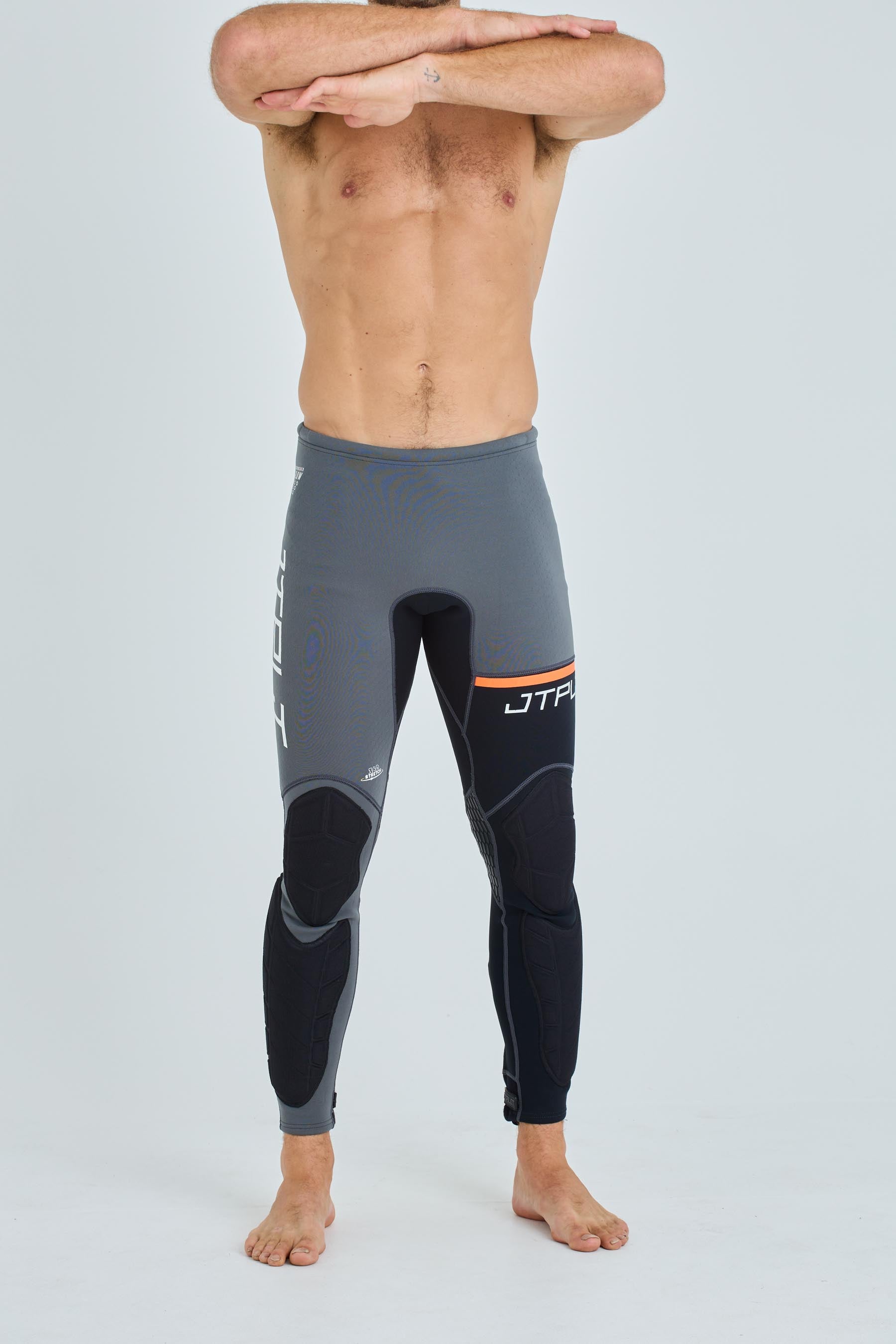
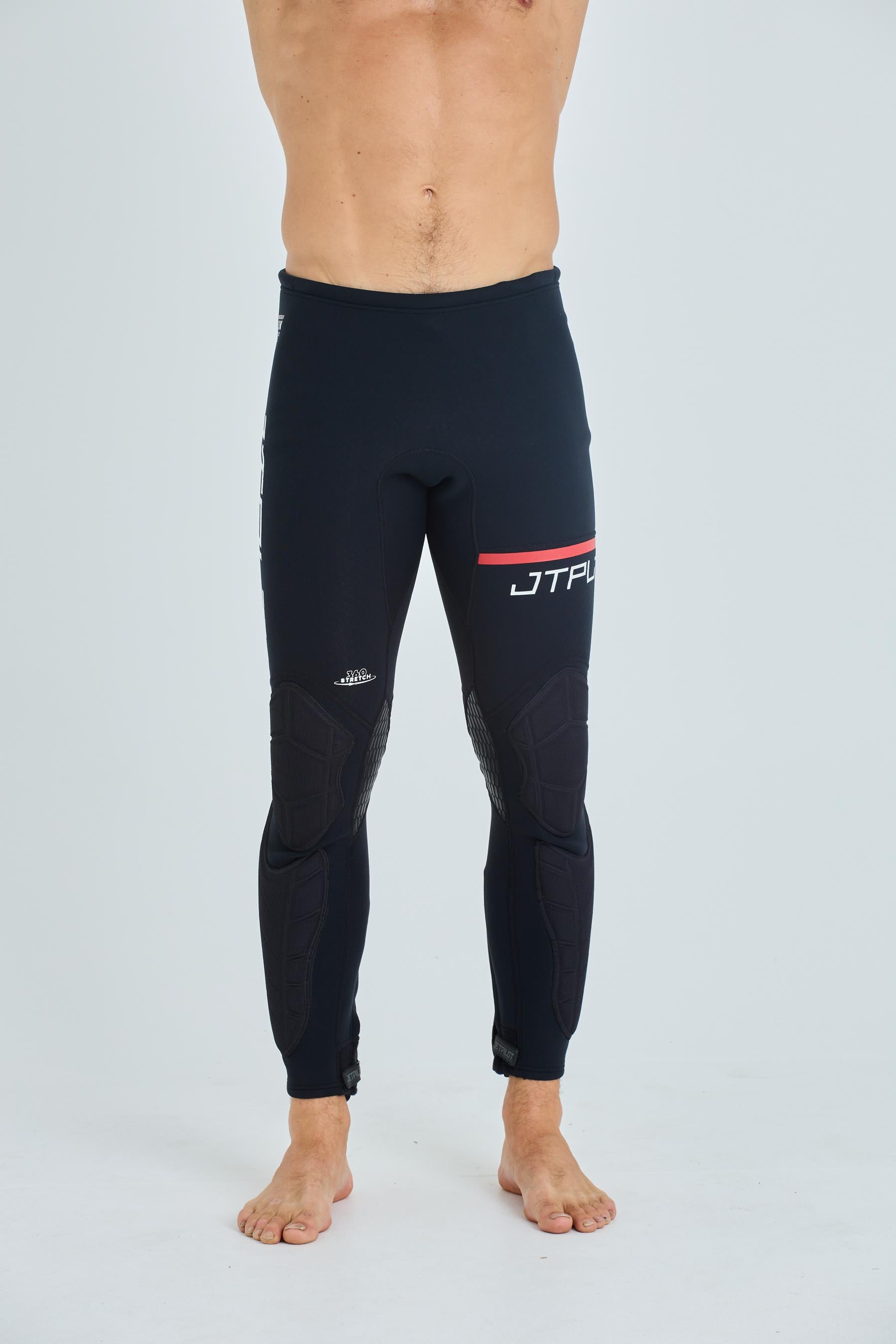
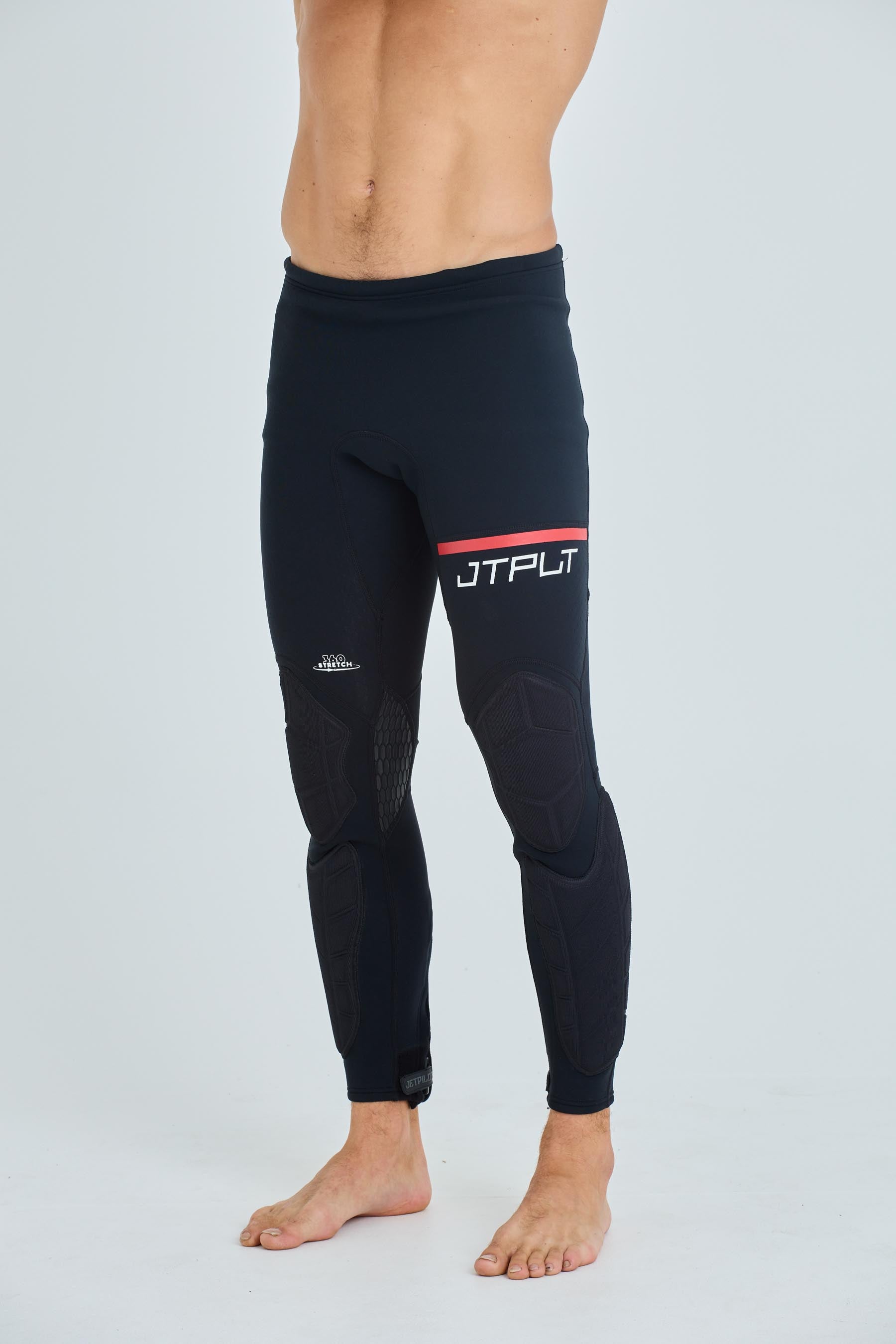
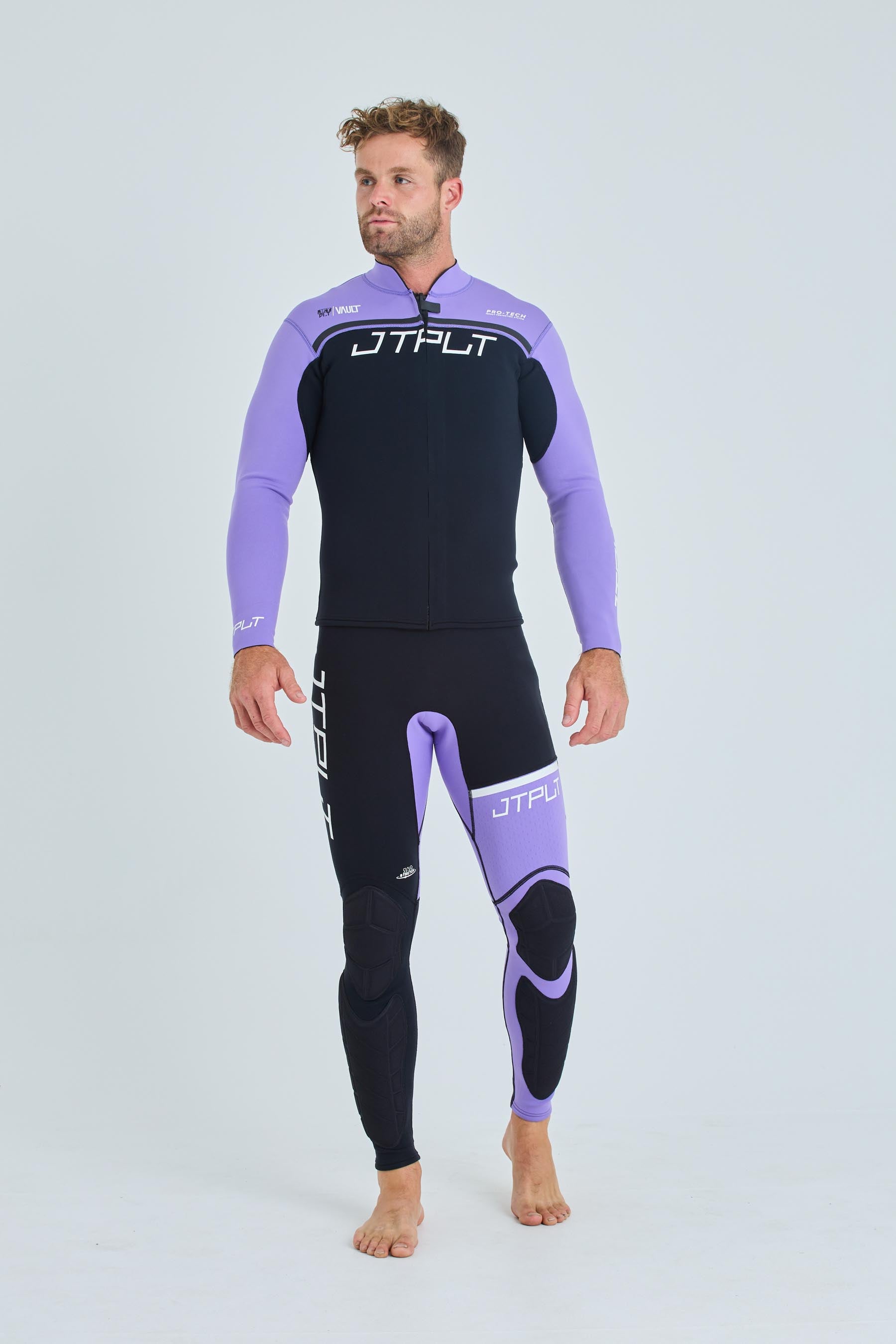
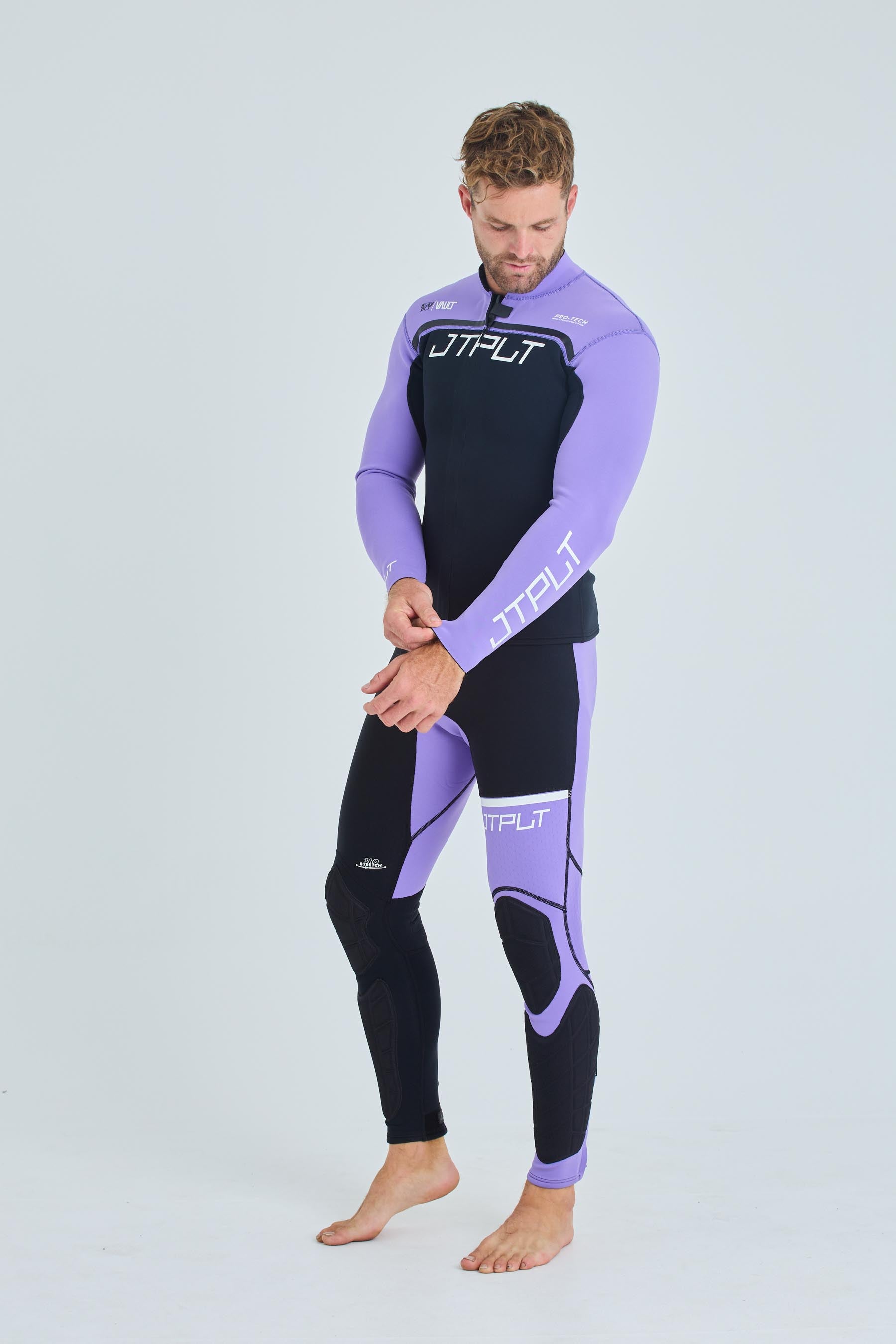
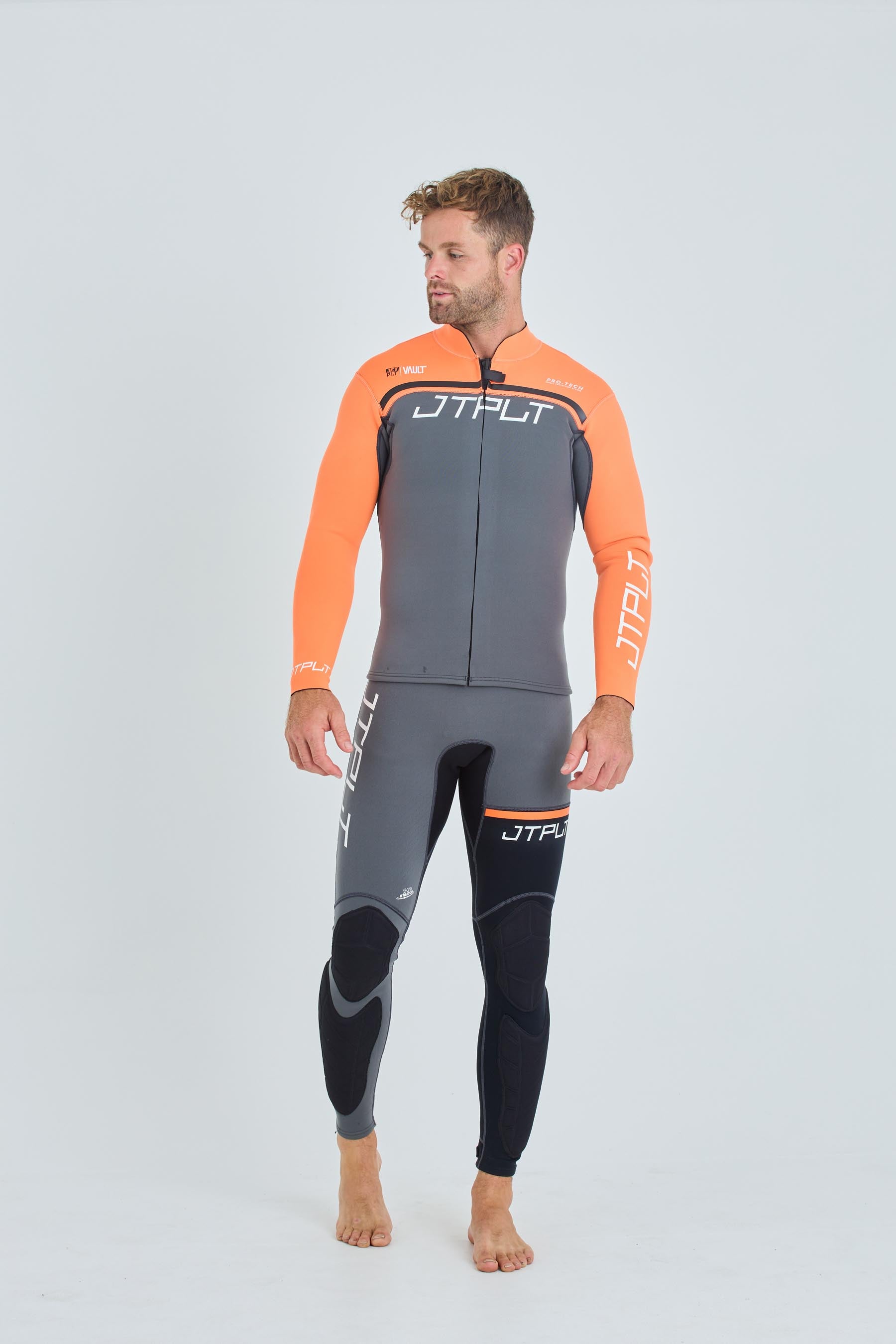
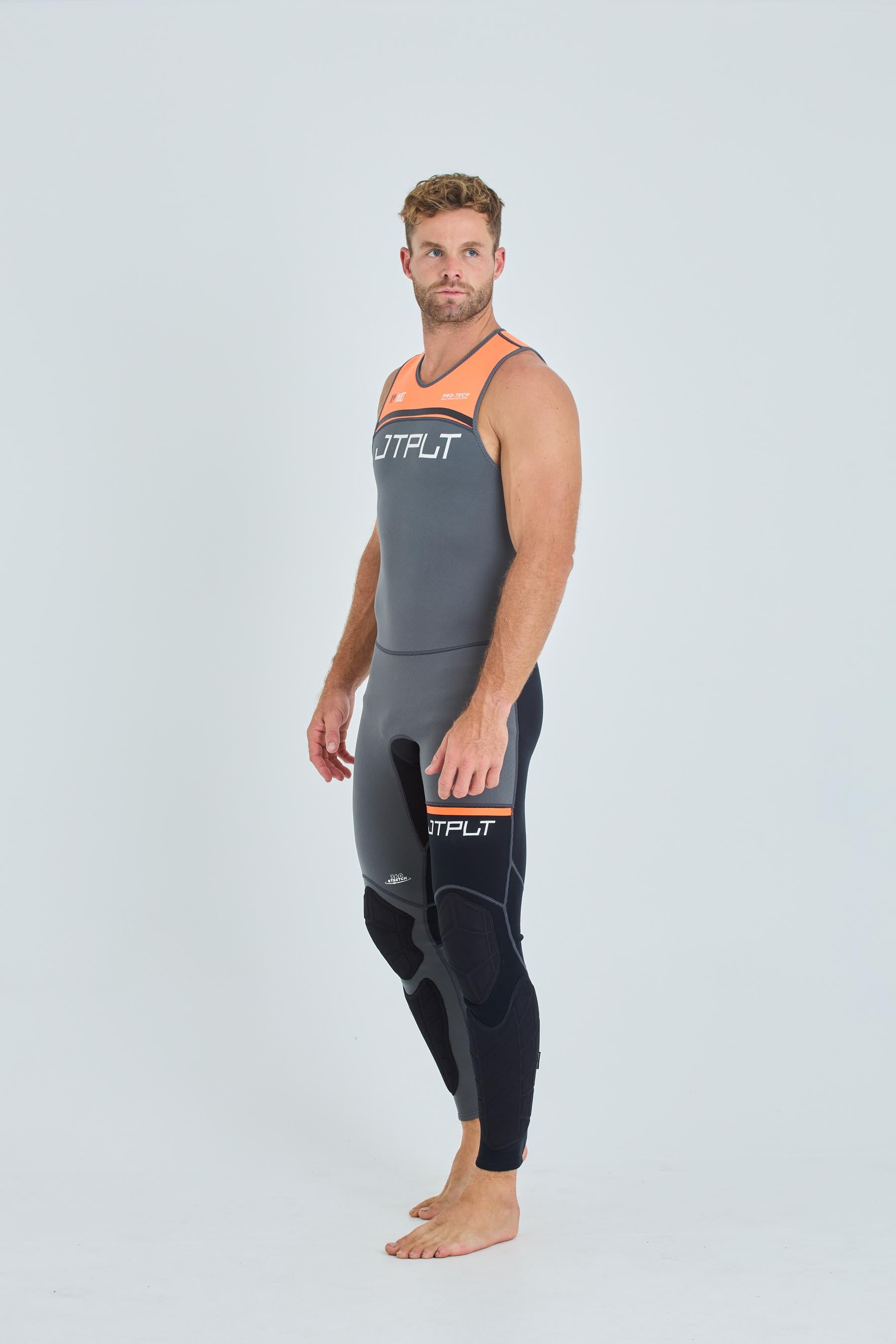
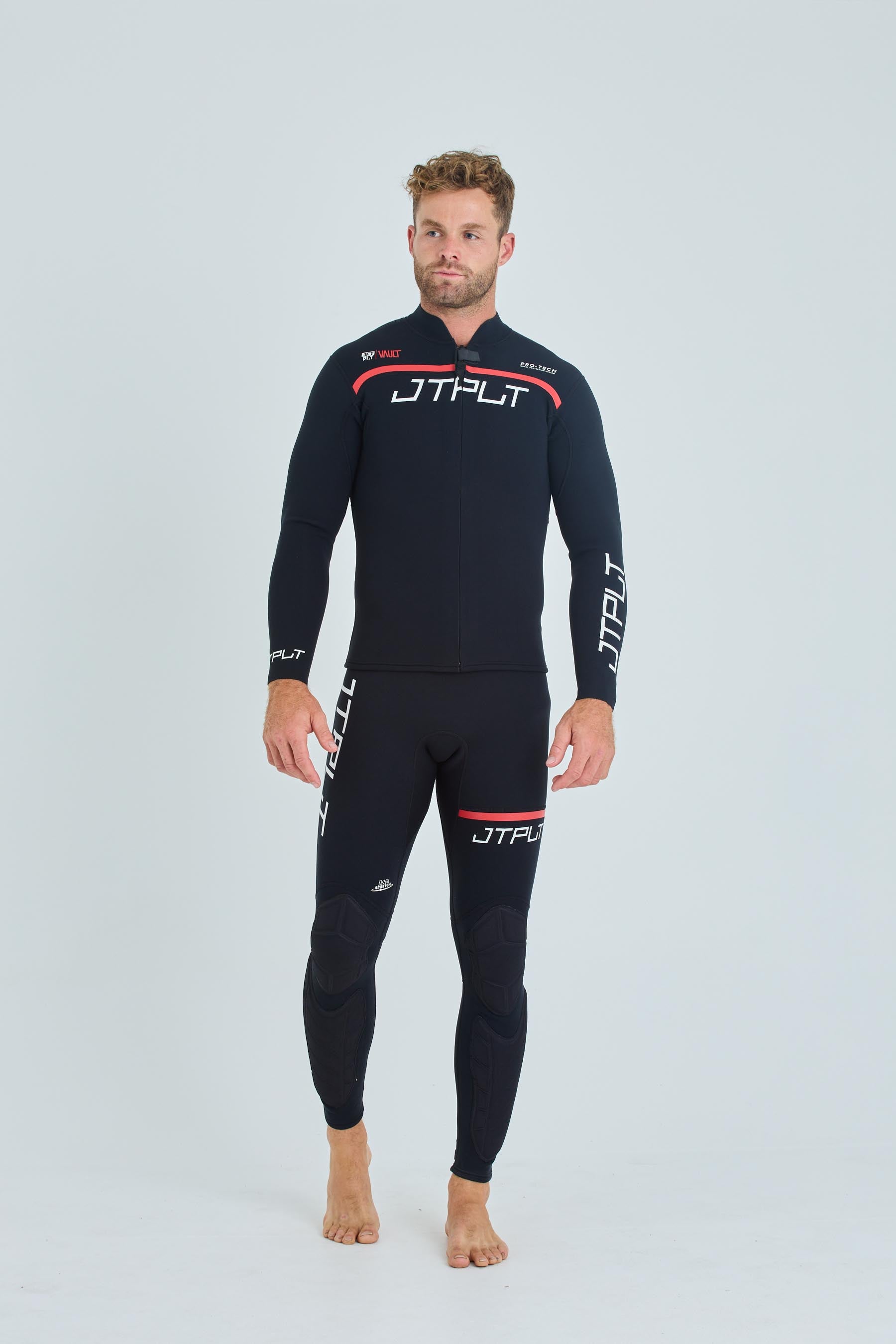
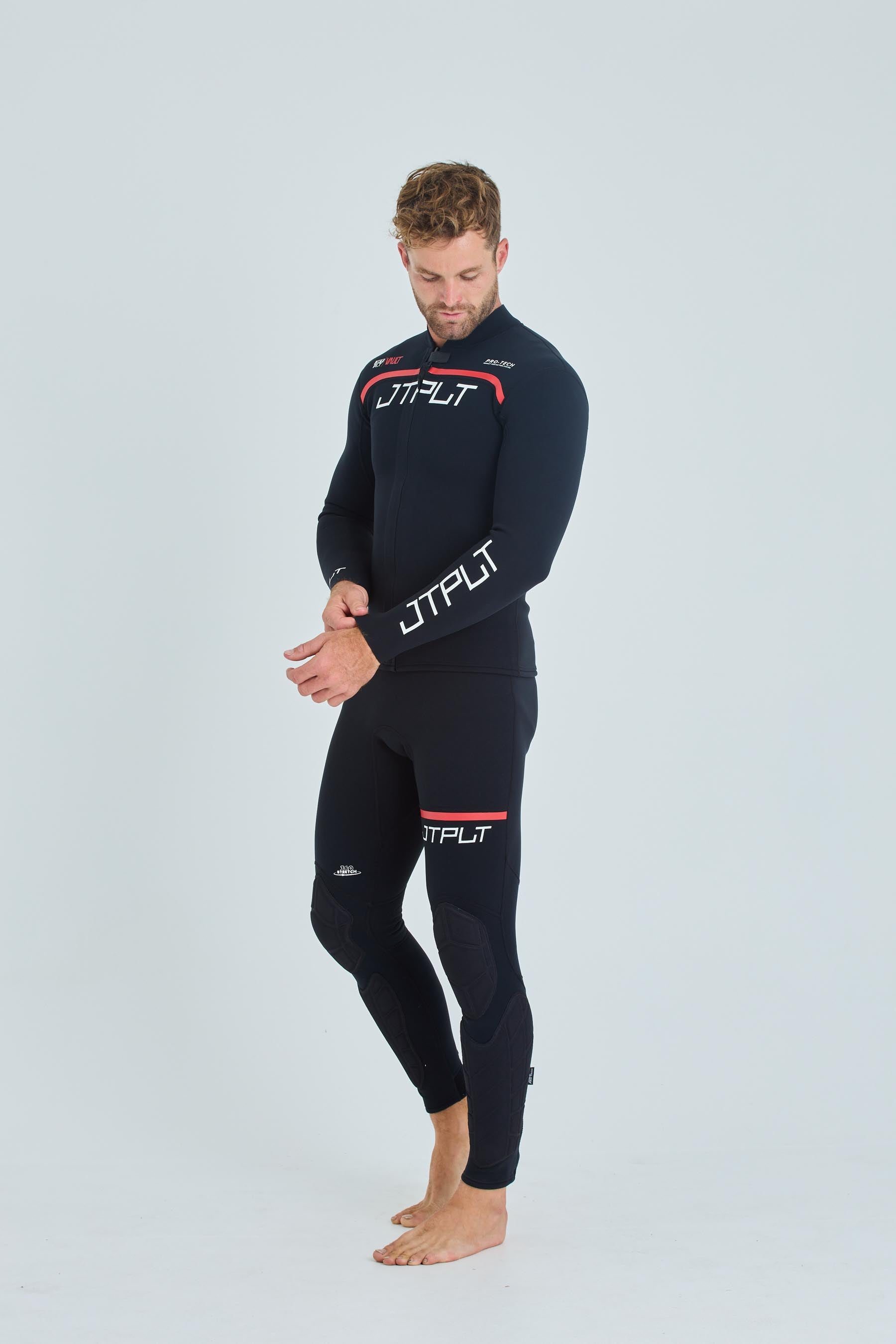
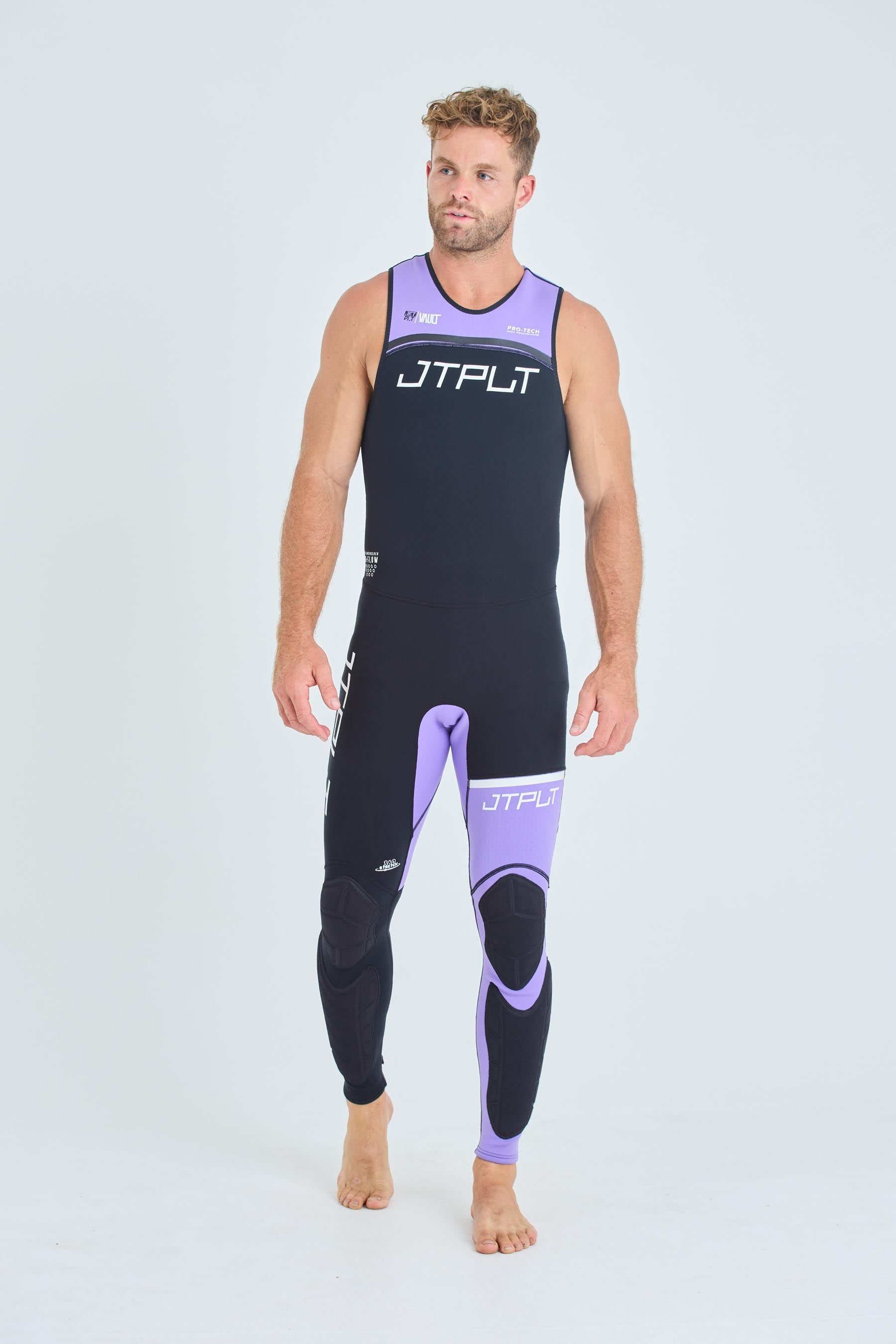
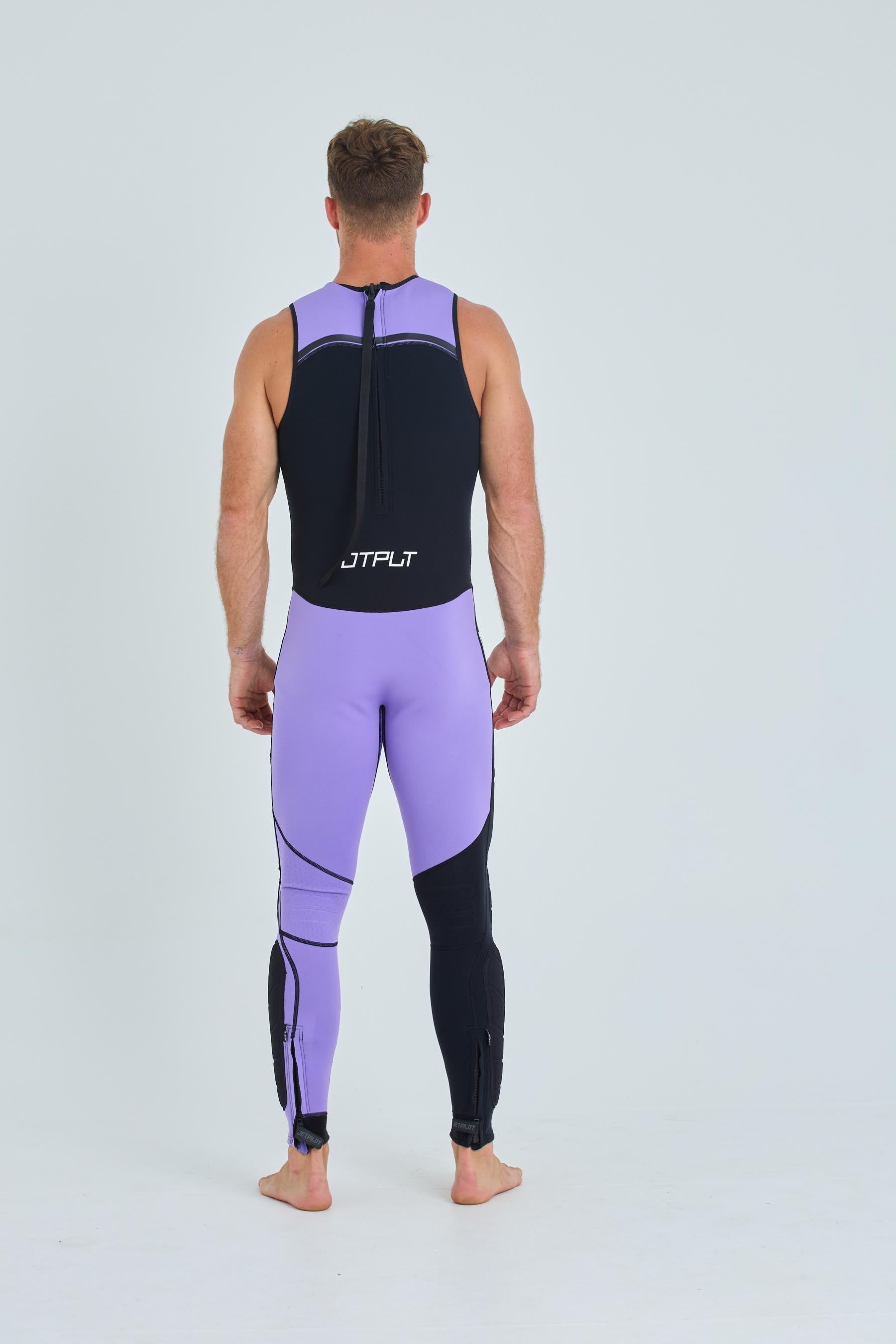
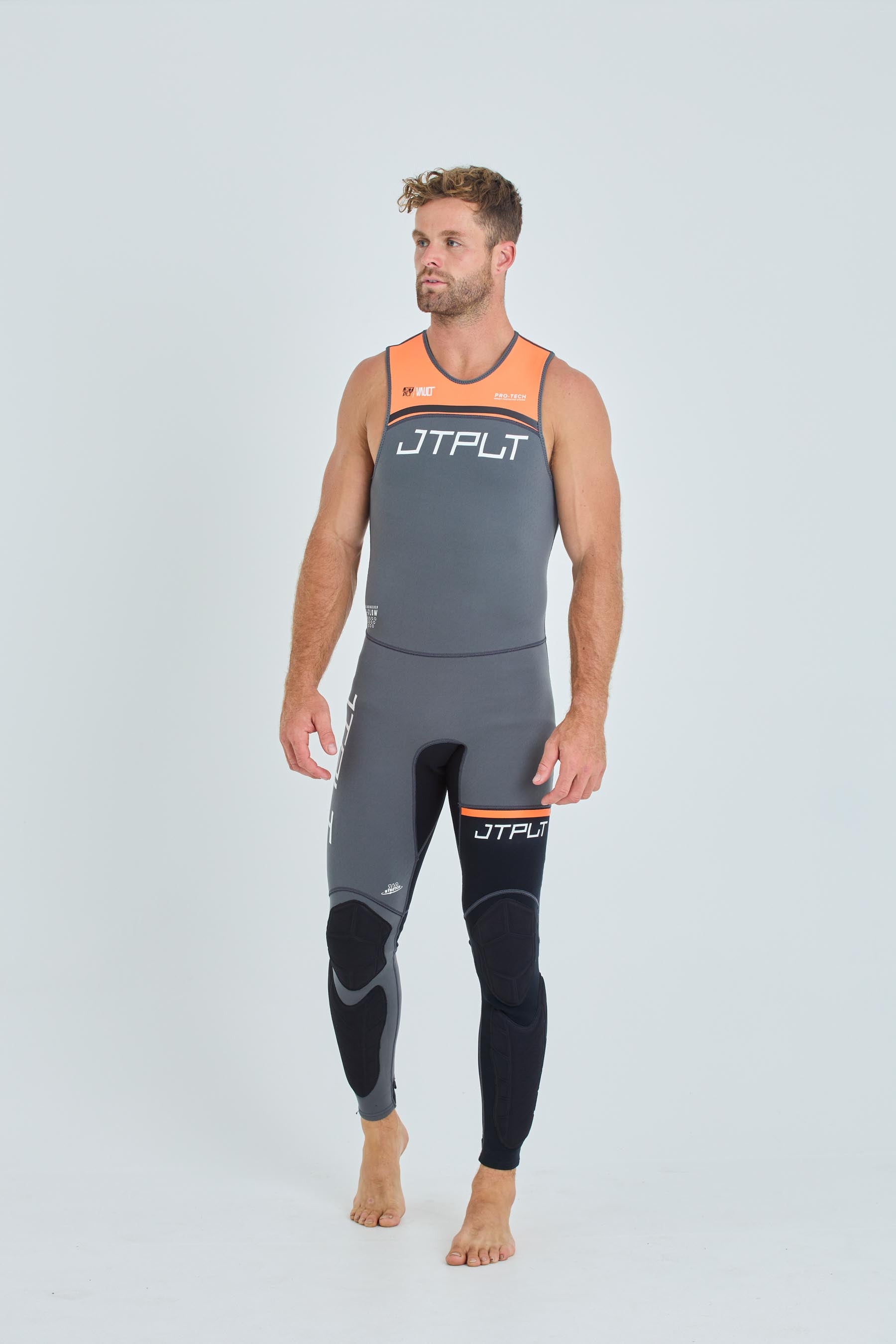
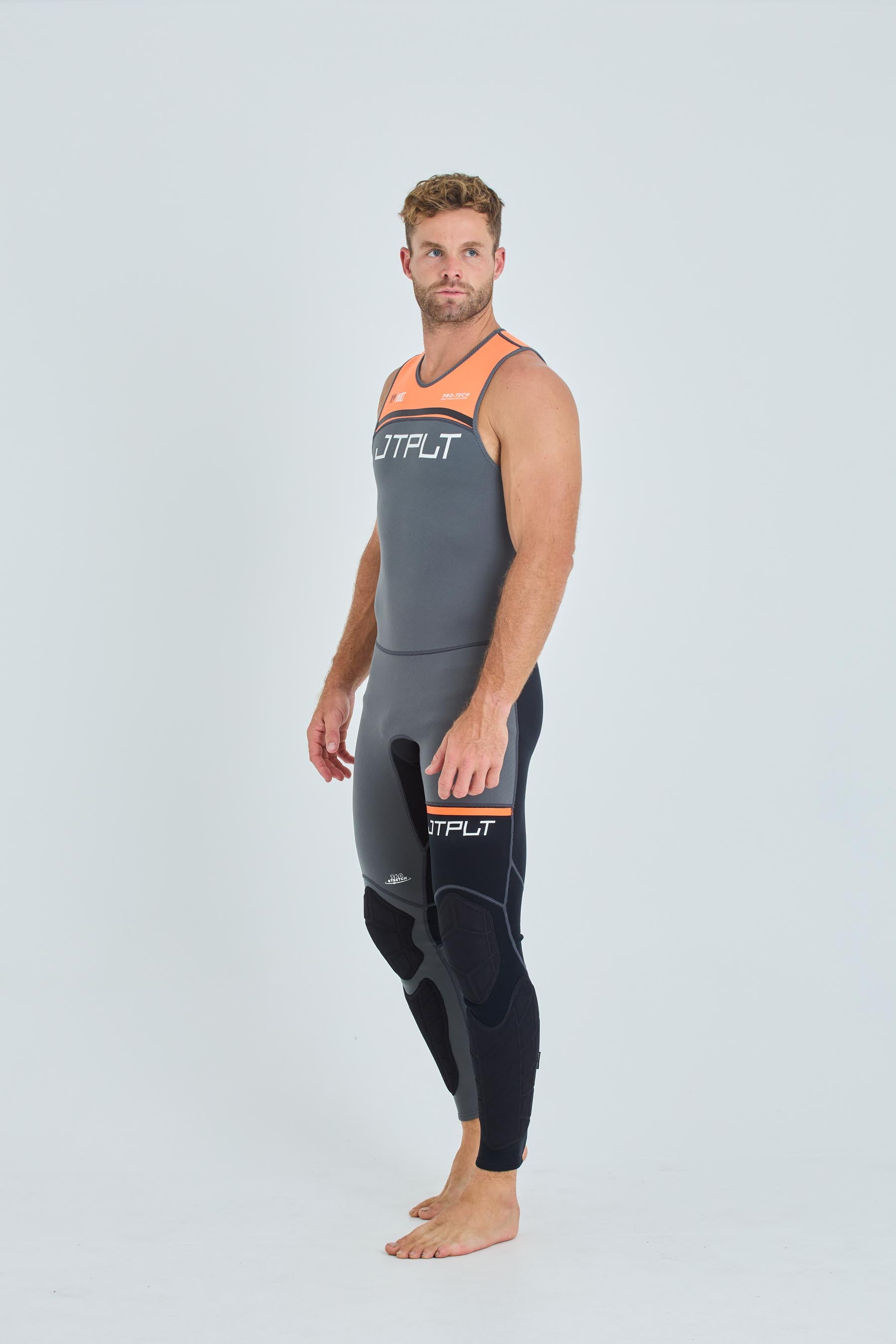
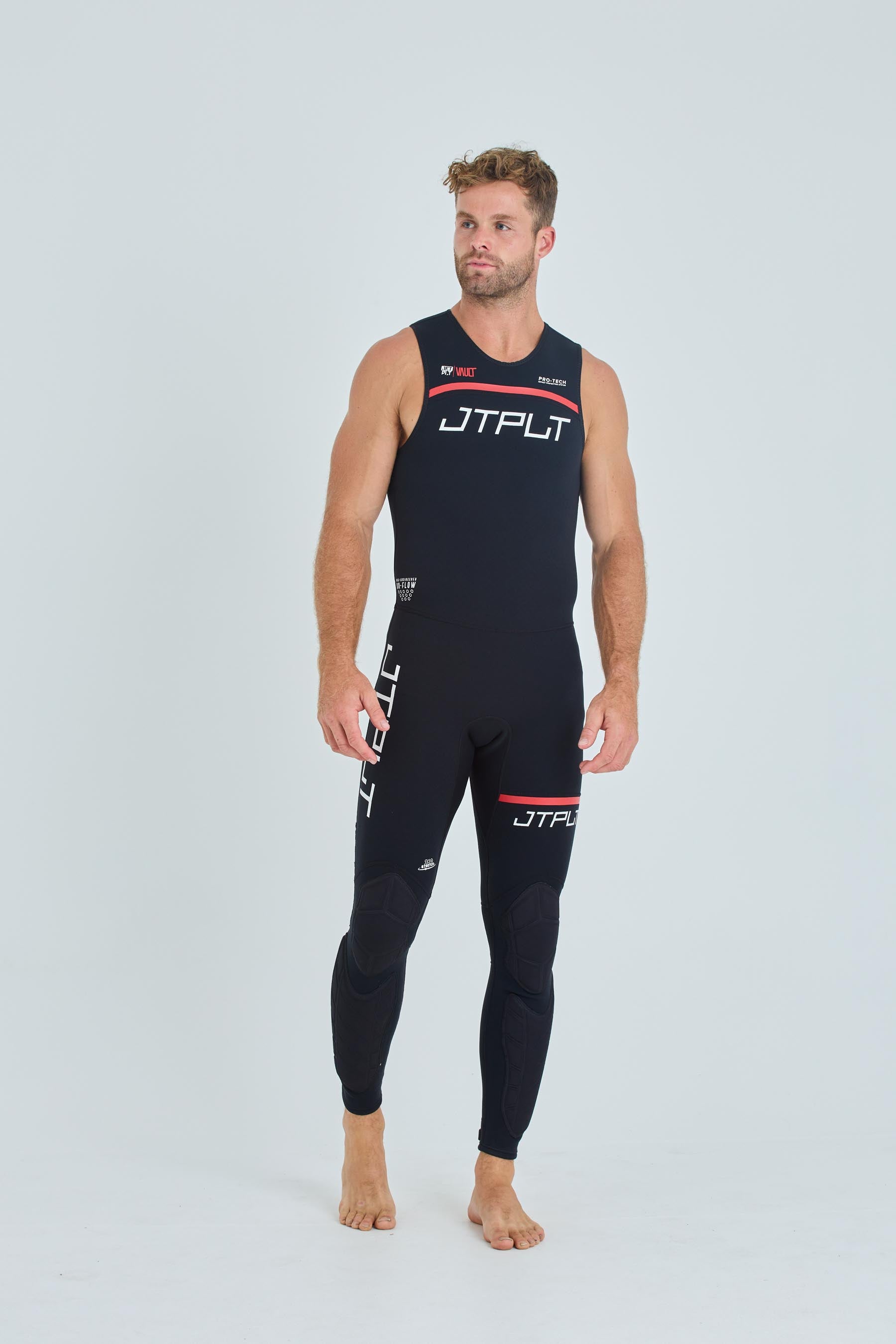
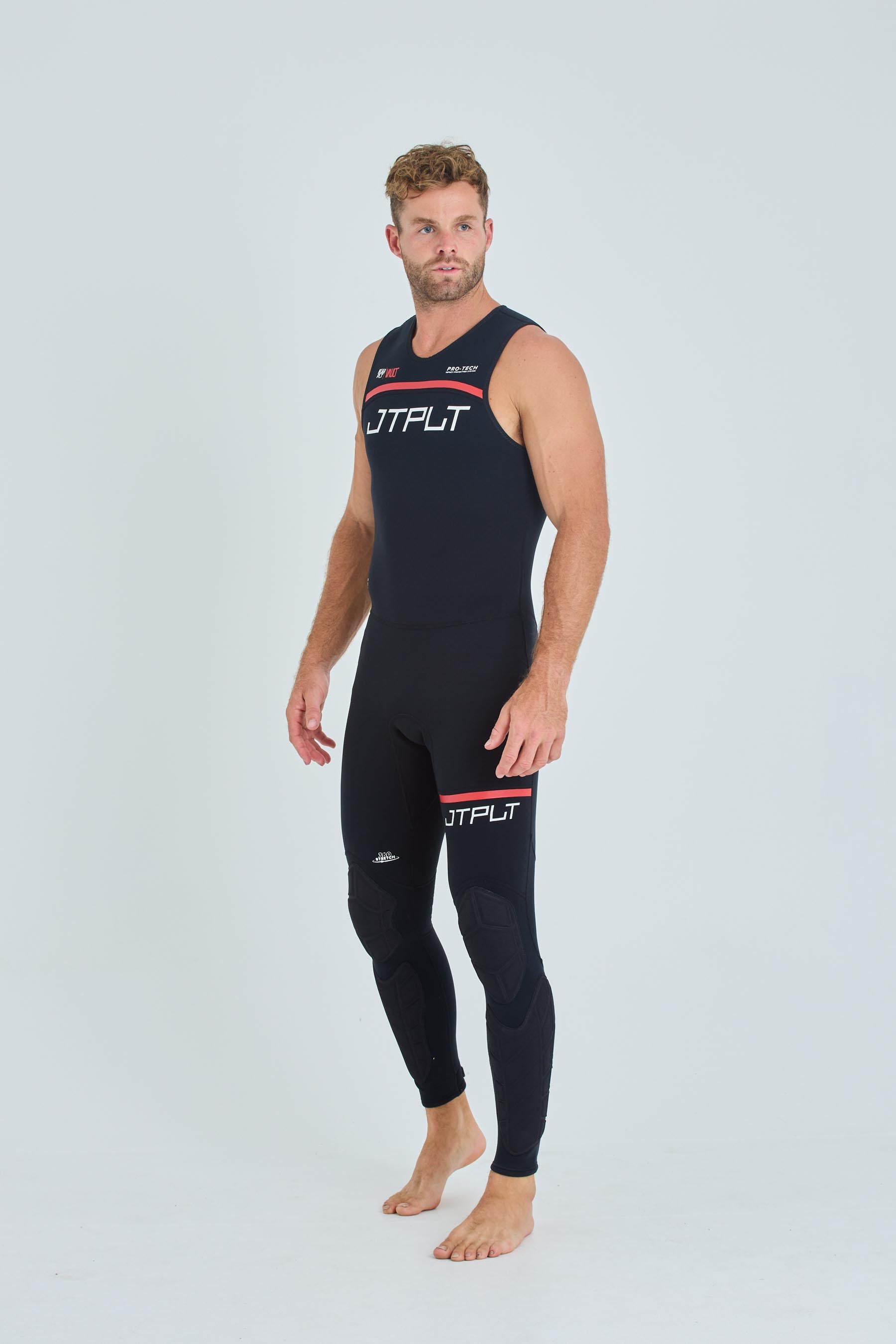
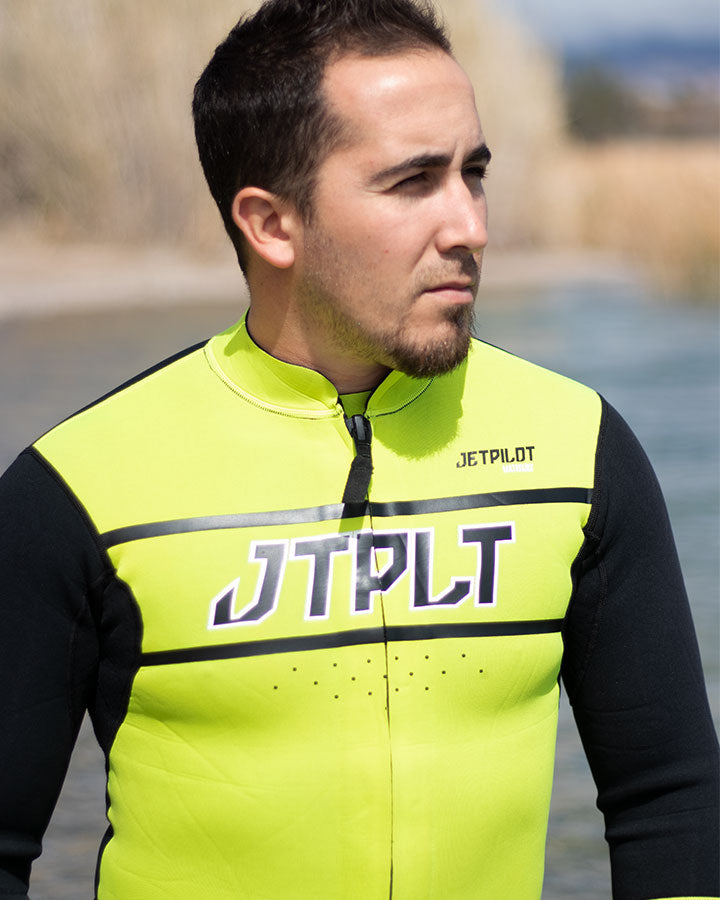
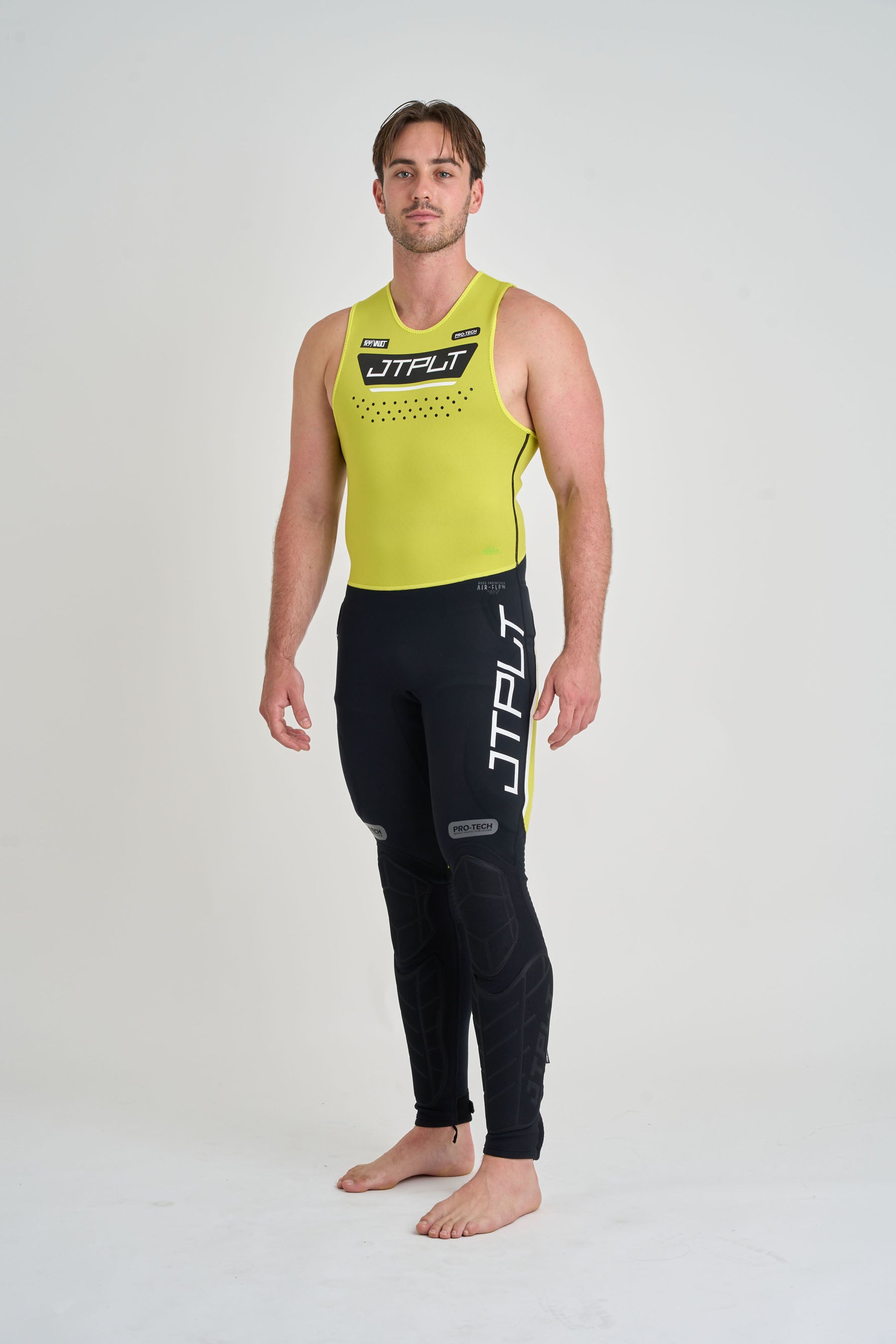
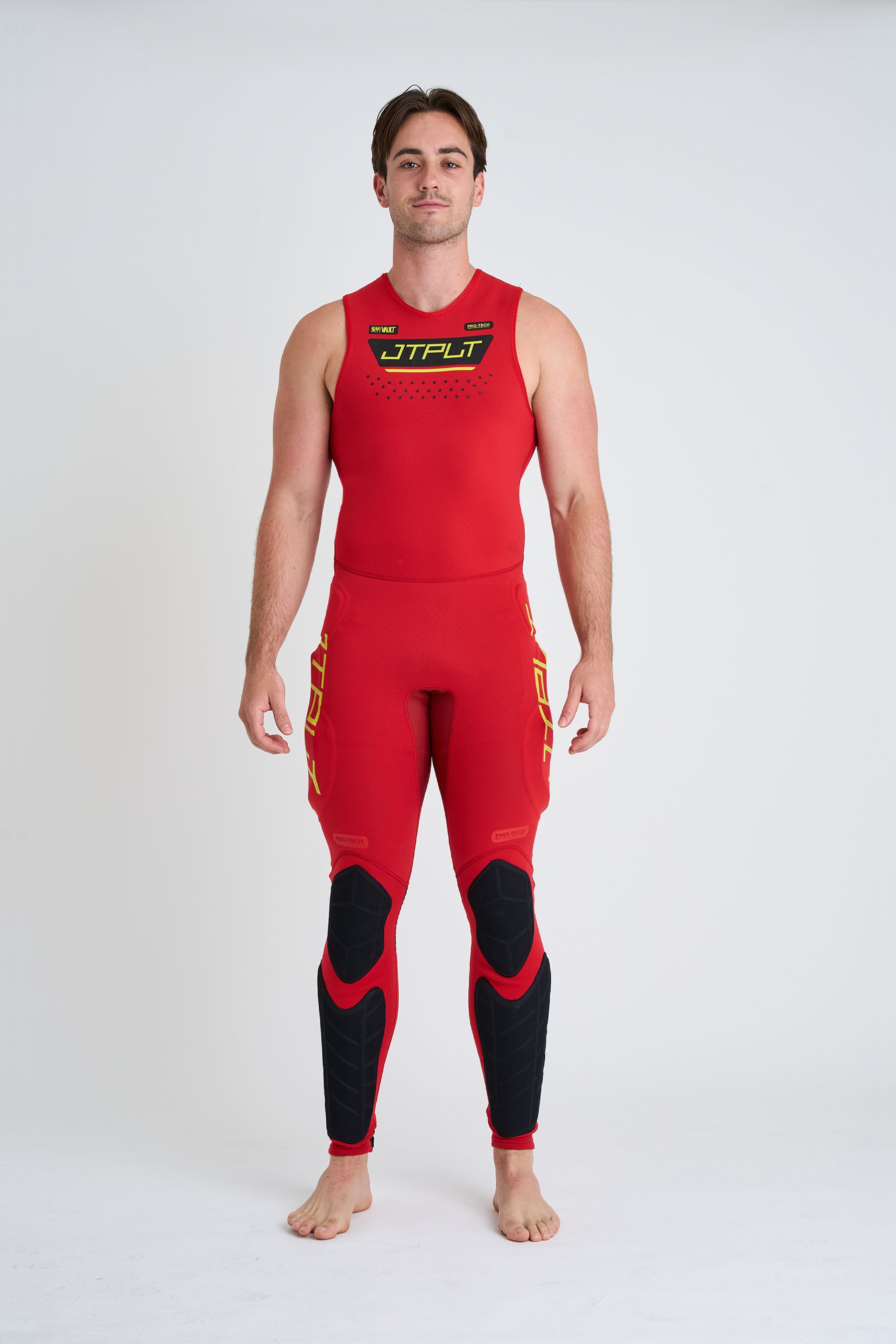
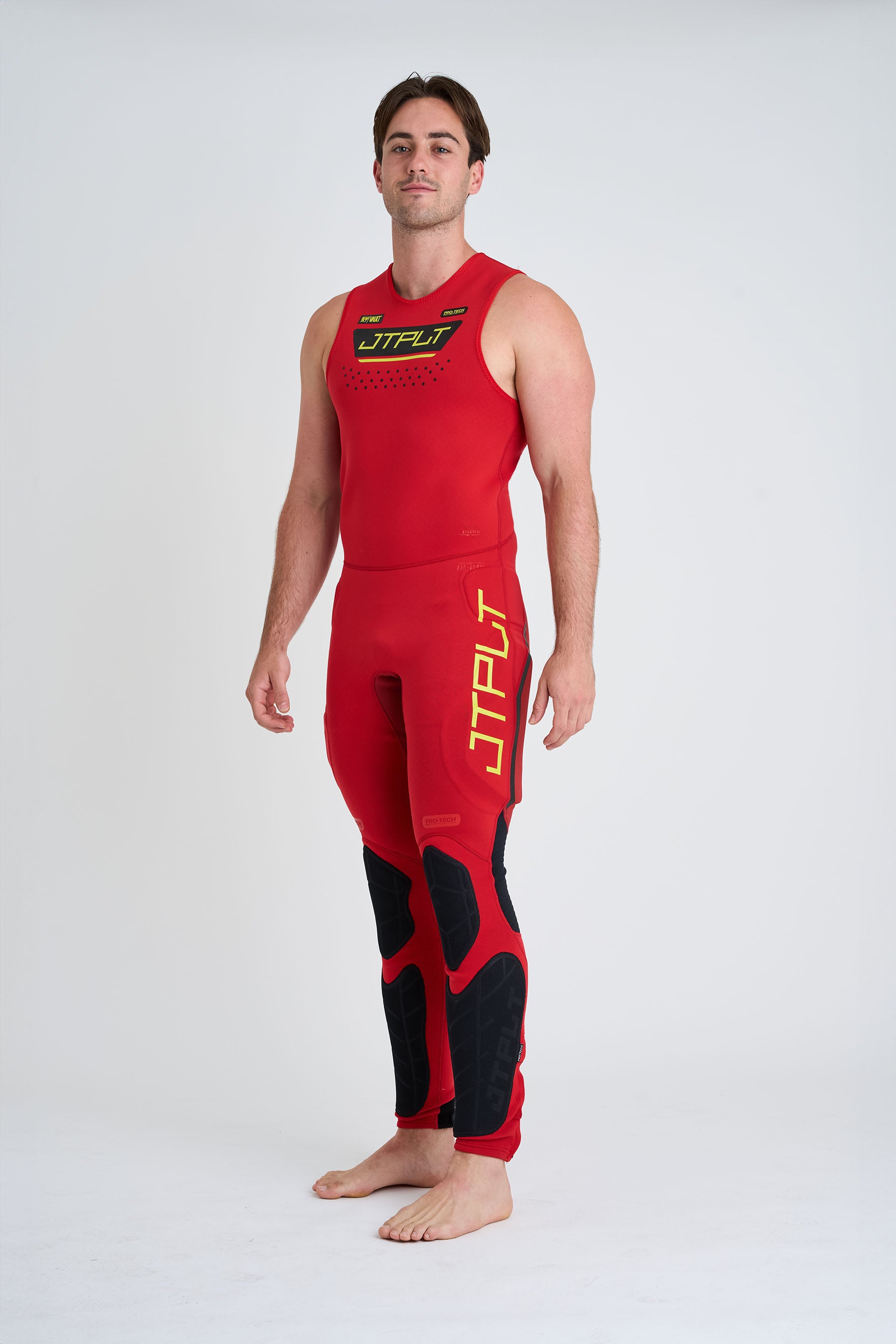
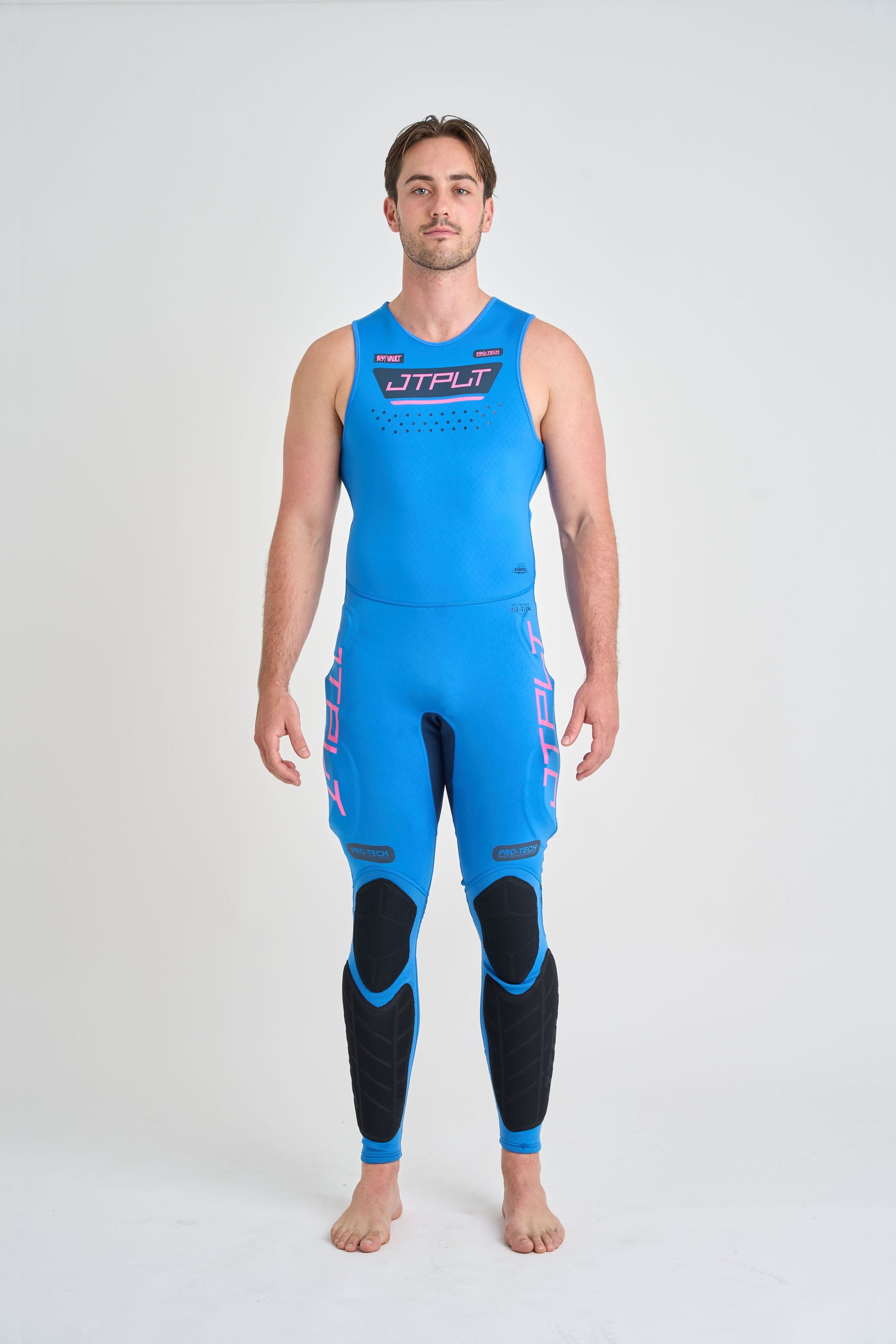
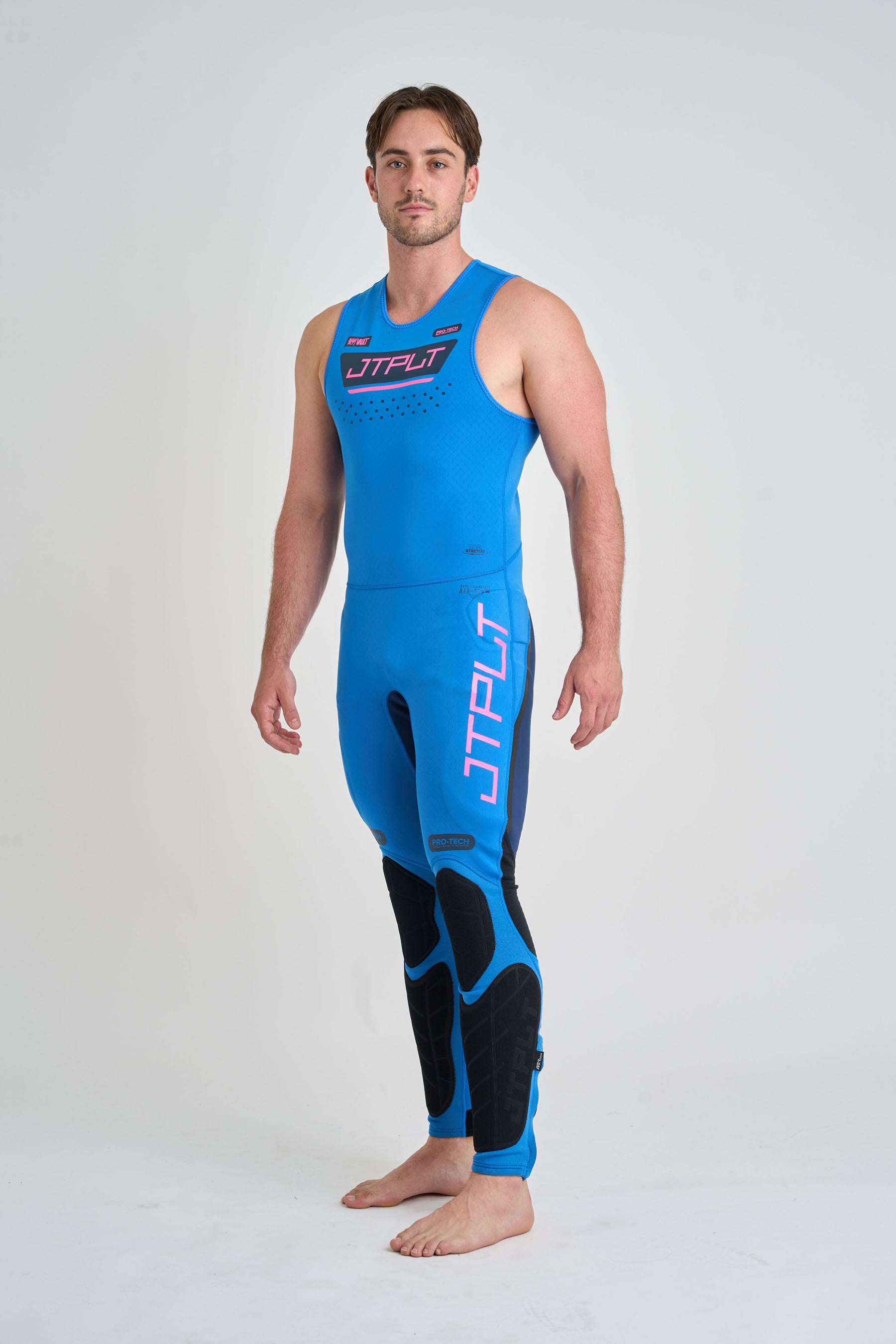
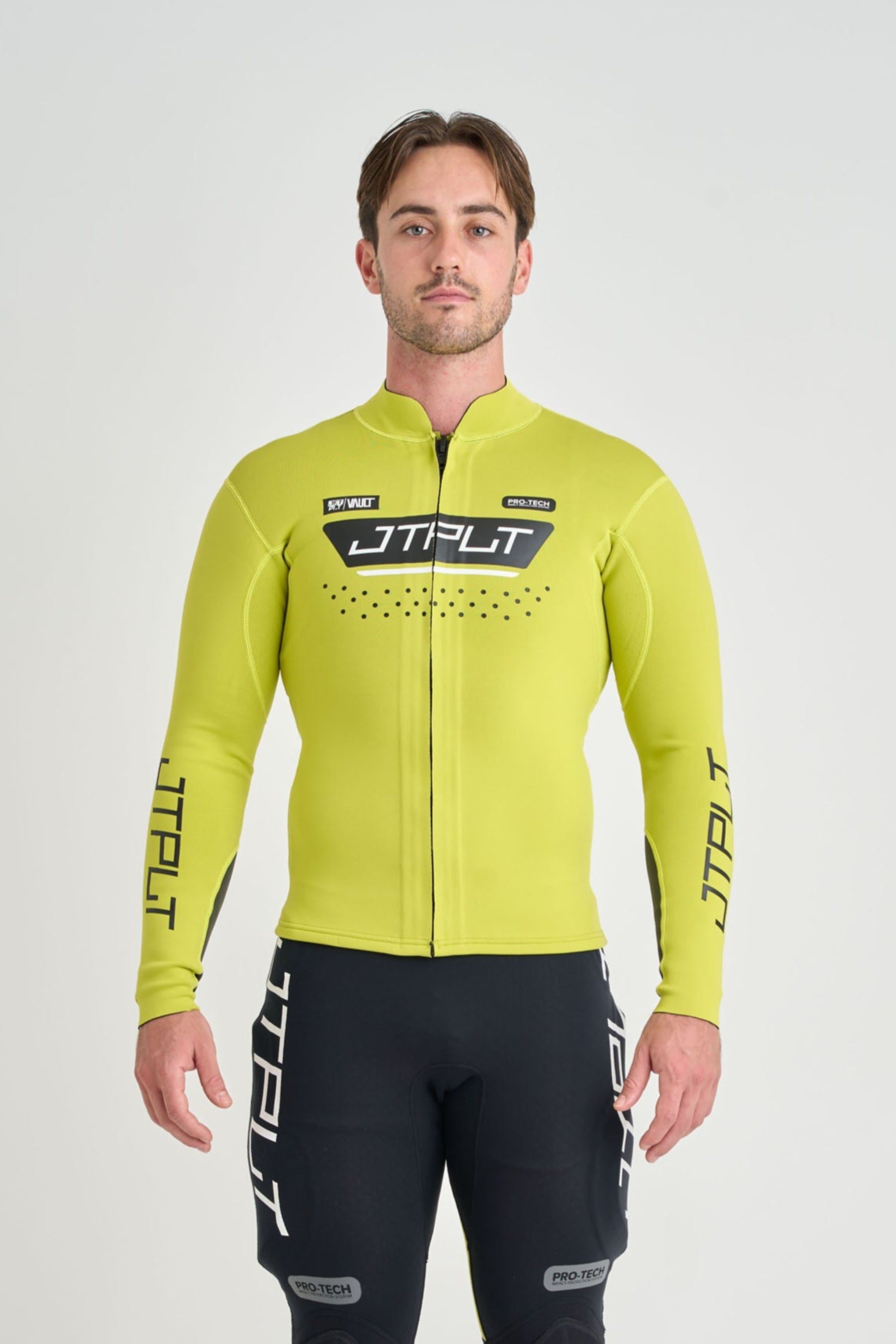
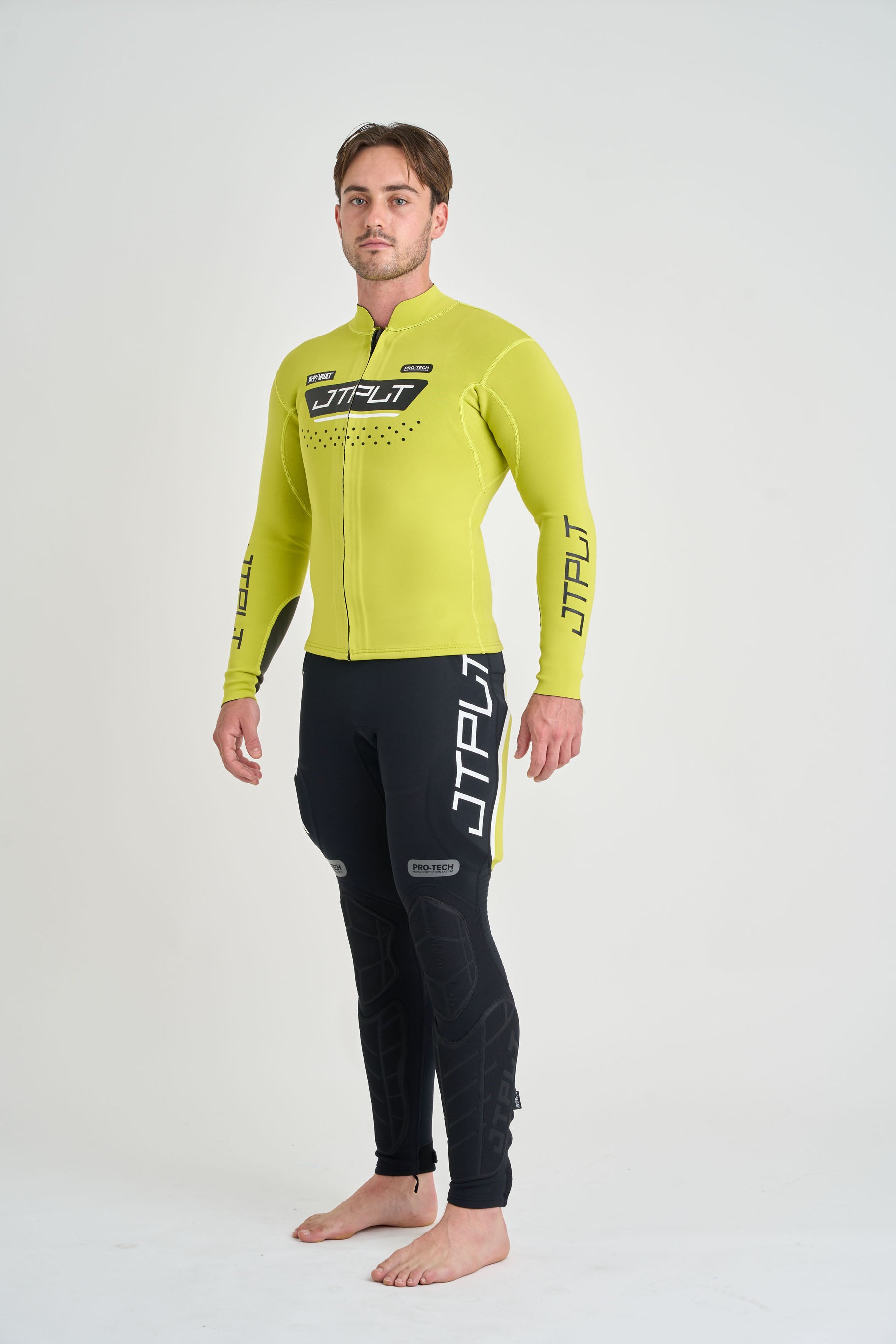
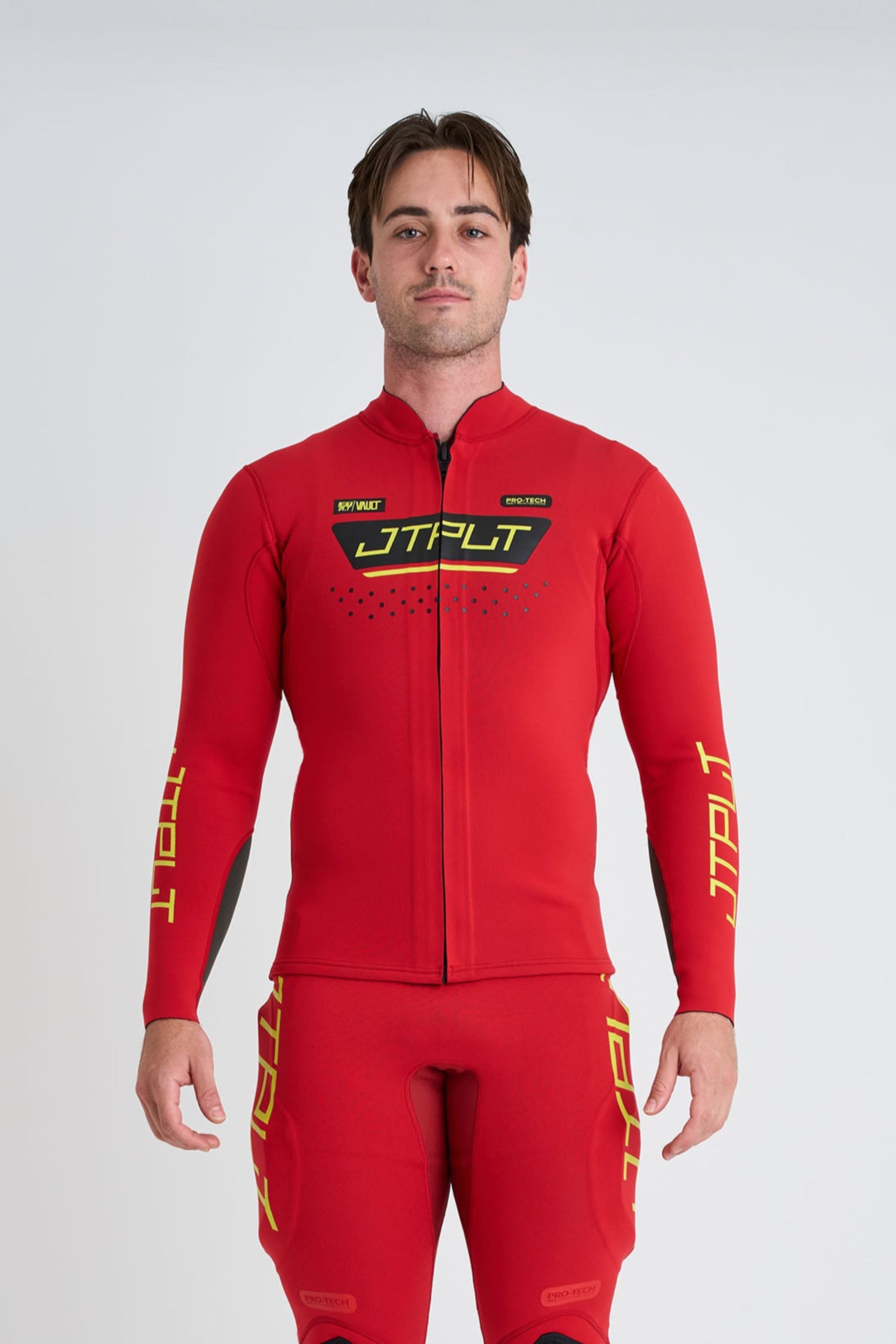
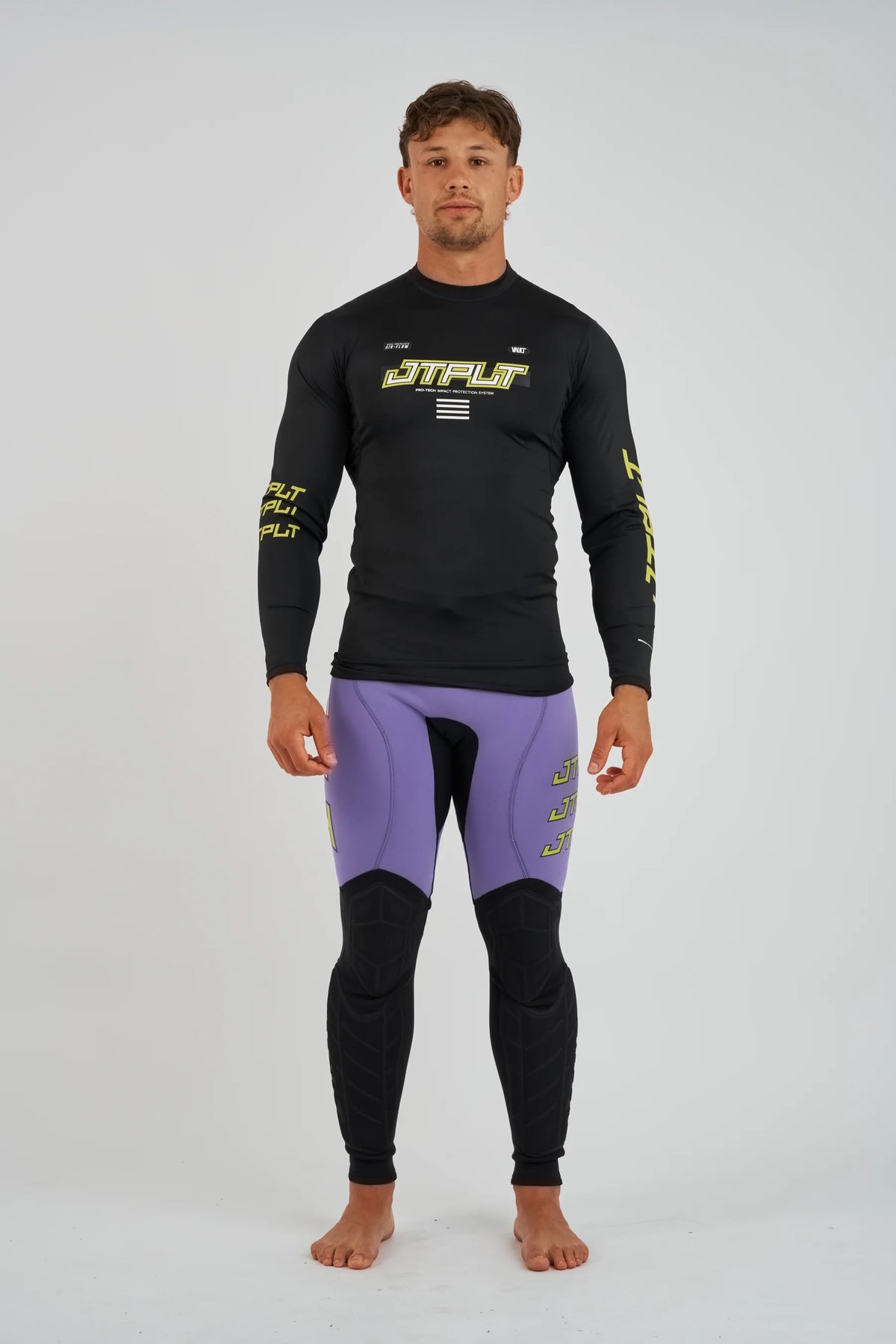
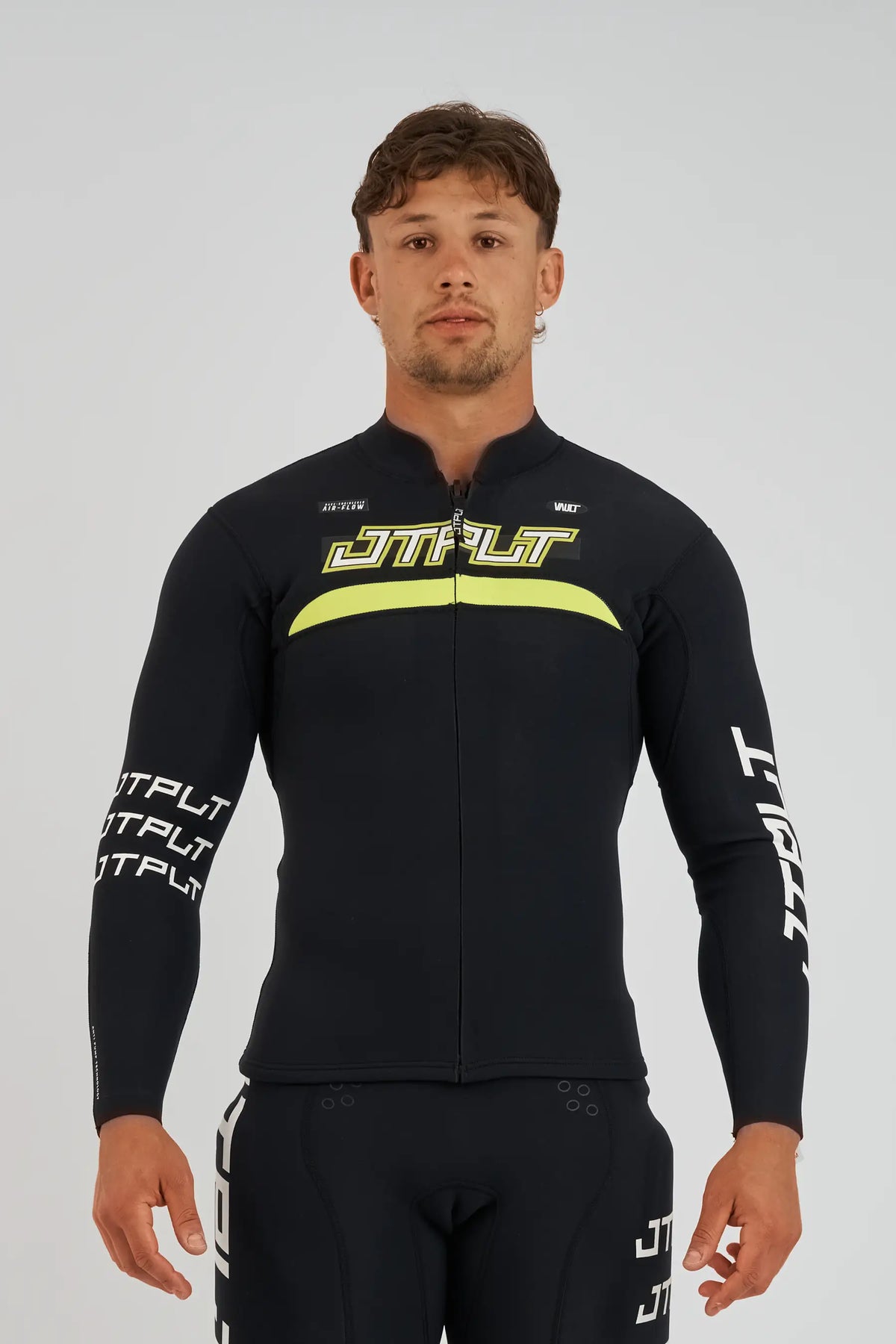
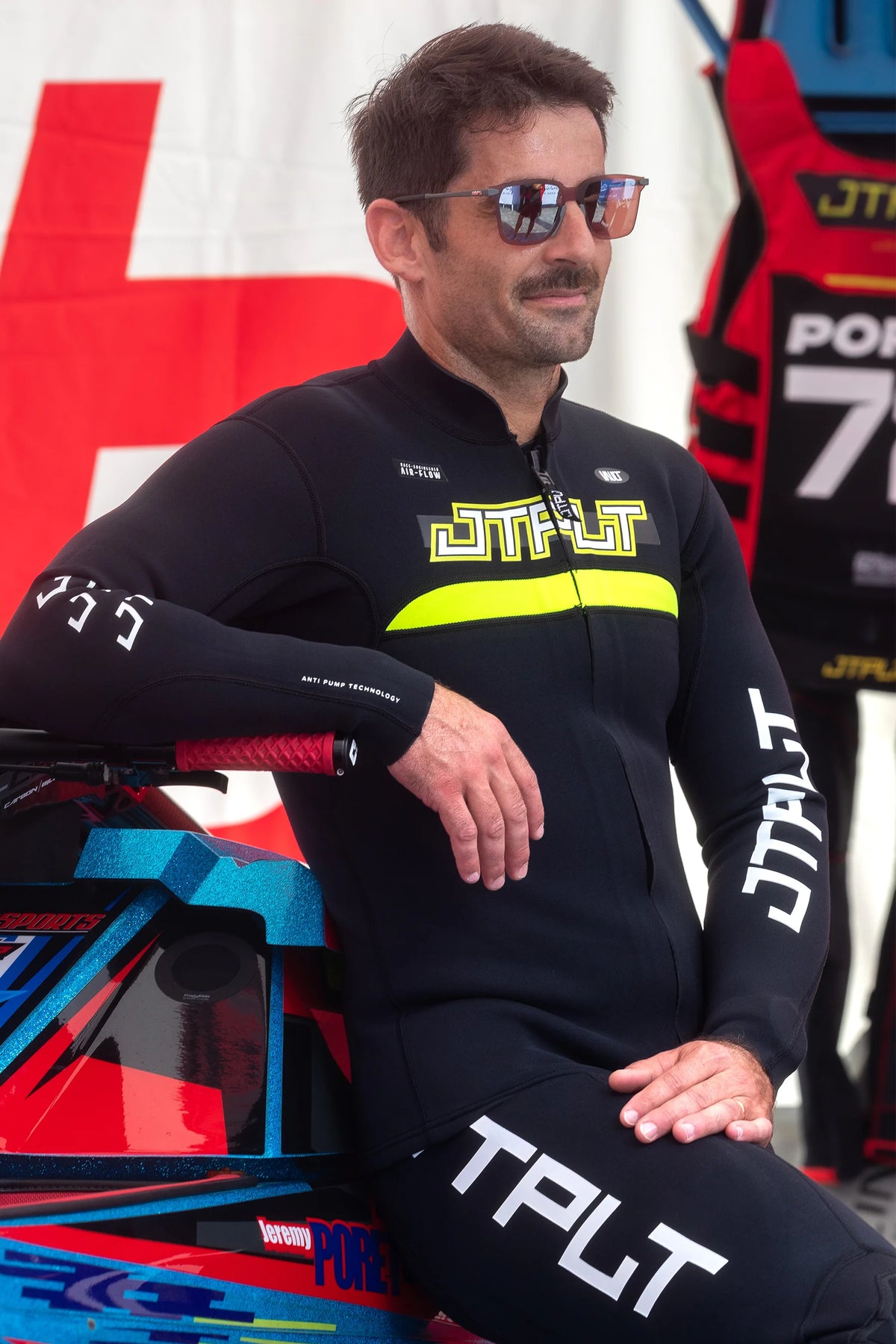
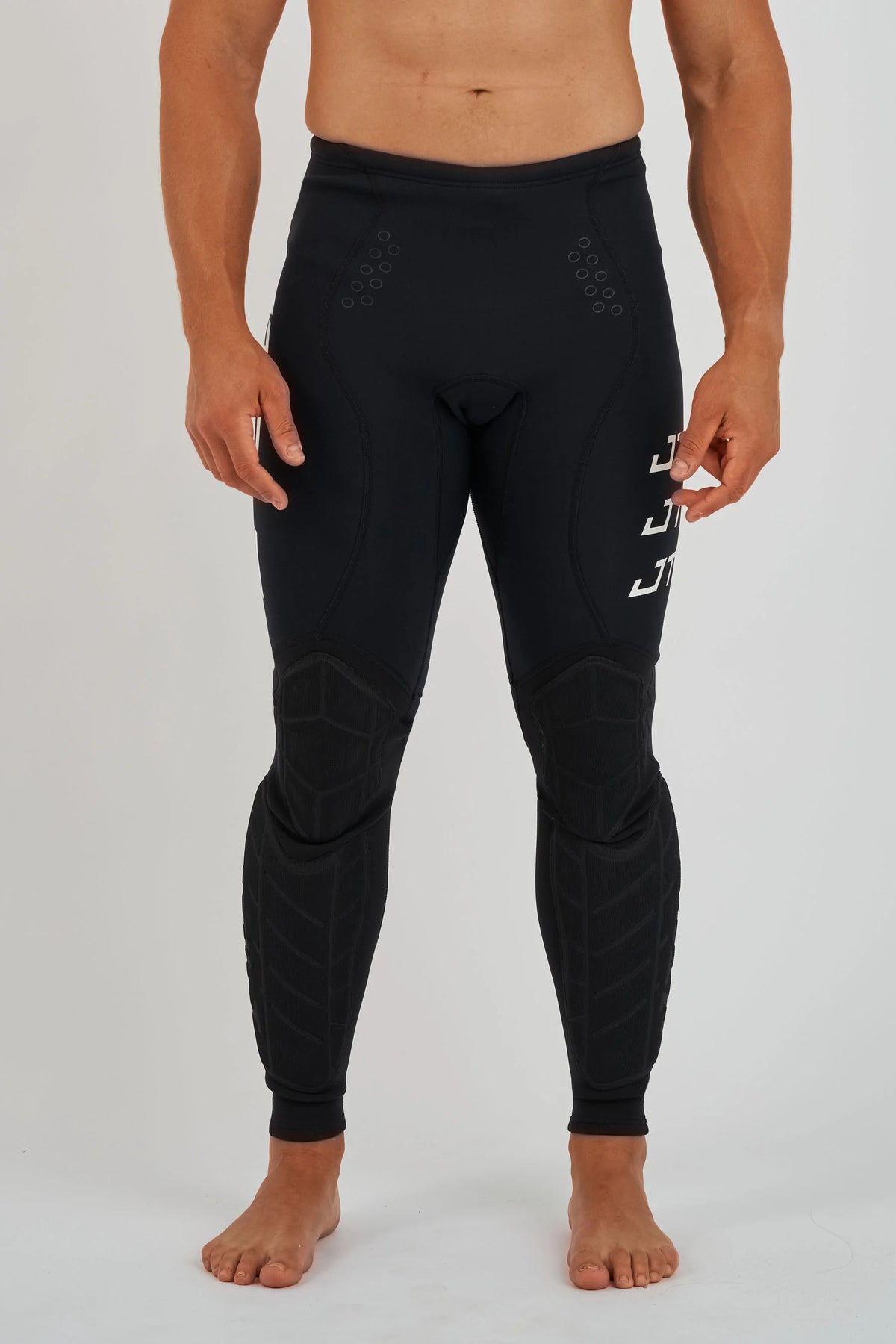
Mens wetsuits for when the weather changes. Men's long sleeves for long days on the boat or ski, Vault Johns for race day, and Tour Coats to layer up when it gets cold. Made from Neoprene for superior flexibility and insulation.
Filters





You Have Questions? We Have Answers!
What is the best wetsuit for jet ski riding?
What is a 2-piece jet ski wetsuit?
Is a 2mm or 3mm wetsuit better?
Should I size up or down in a wetsuit?
Is my wetsuit too small?
What is the best wetsuit for bigger guys?
Do I still need a life jacket over a wetsuit?
The full rundown on Mens Wetsuits: Race Johns, Springsuits & Neoprene
Mens wetsuits built for the sled, not the surf
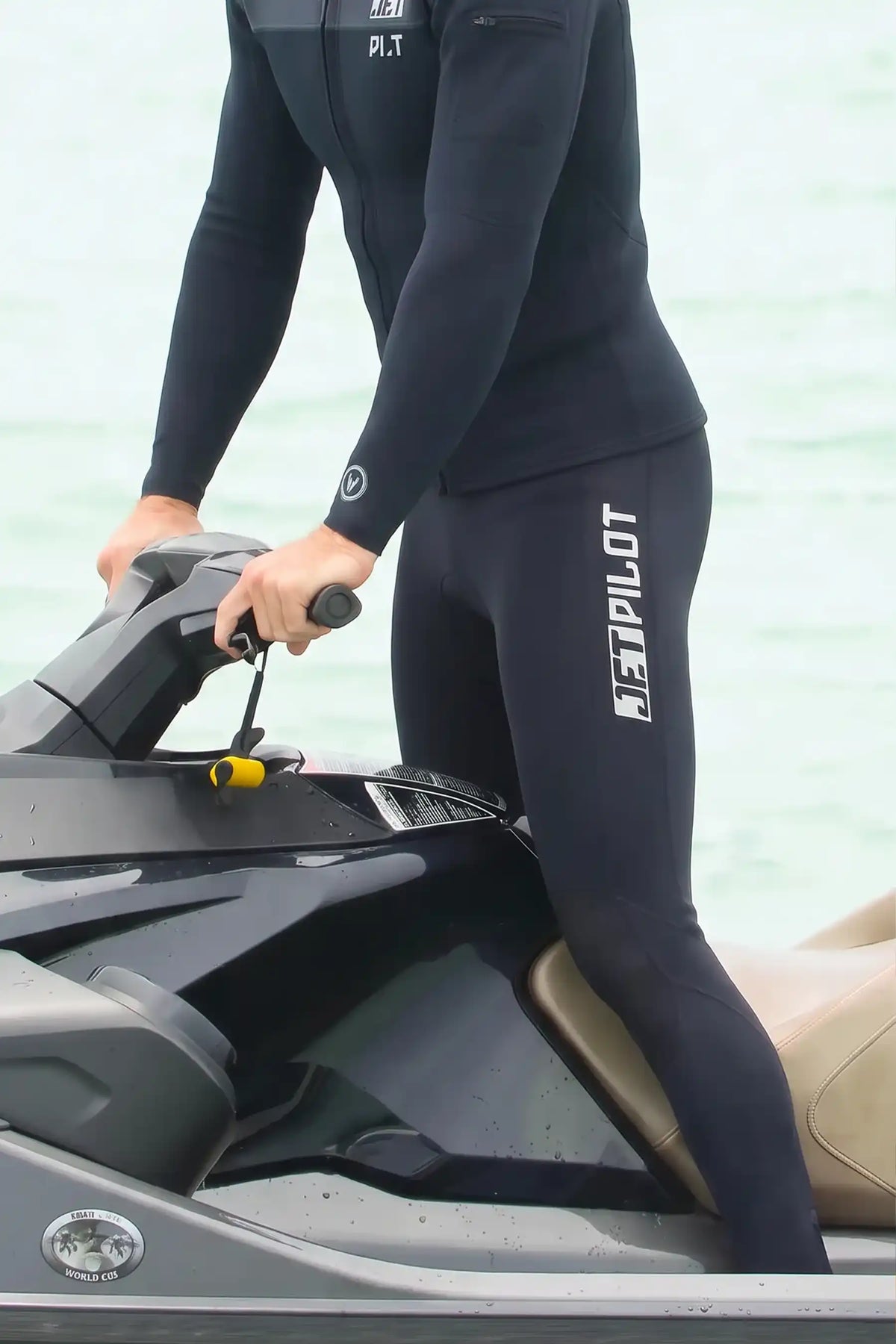
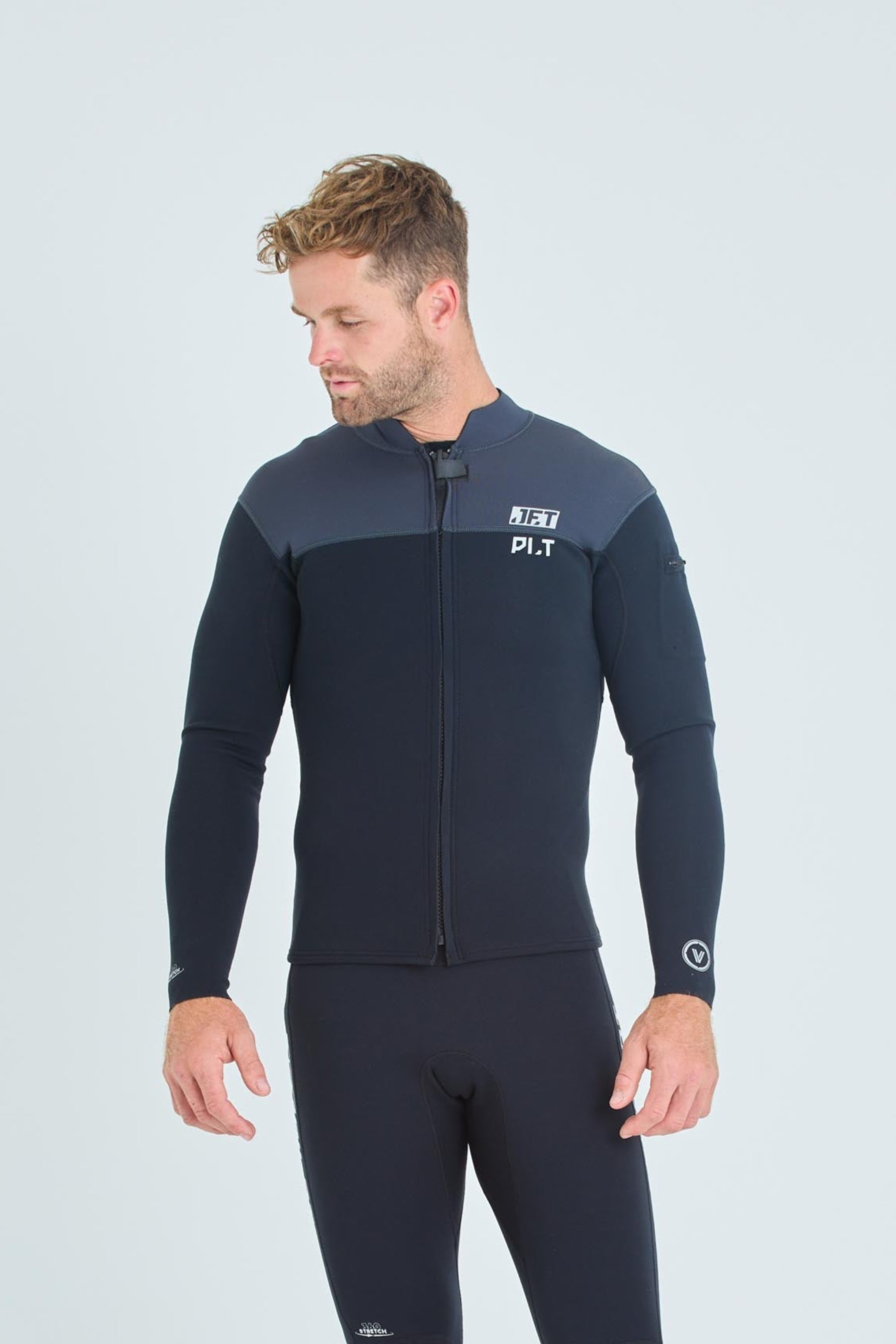
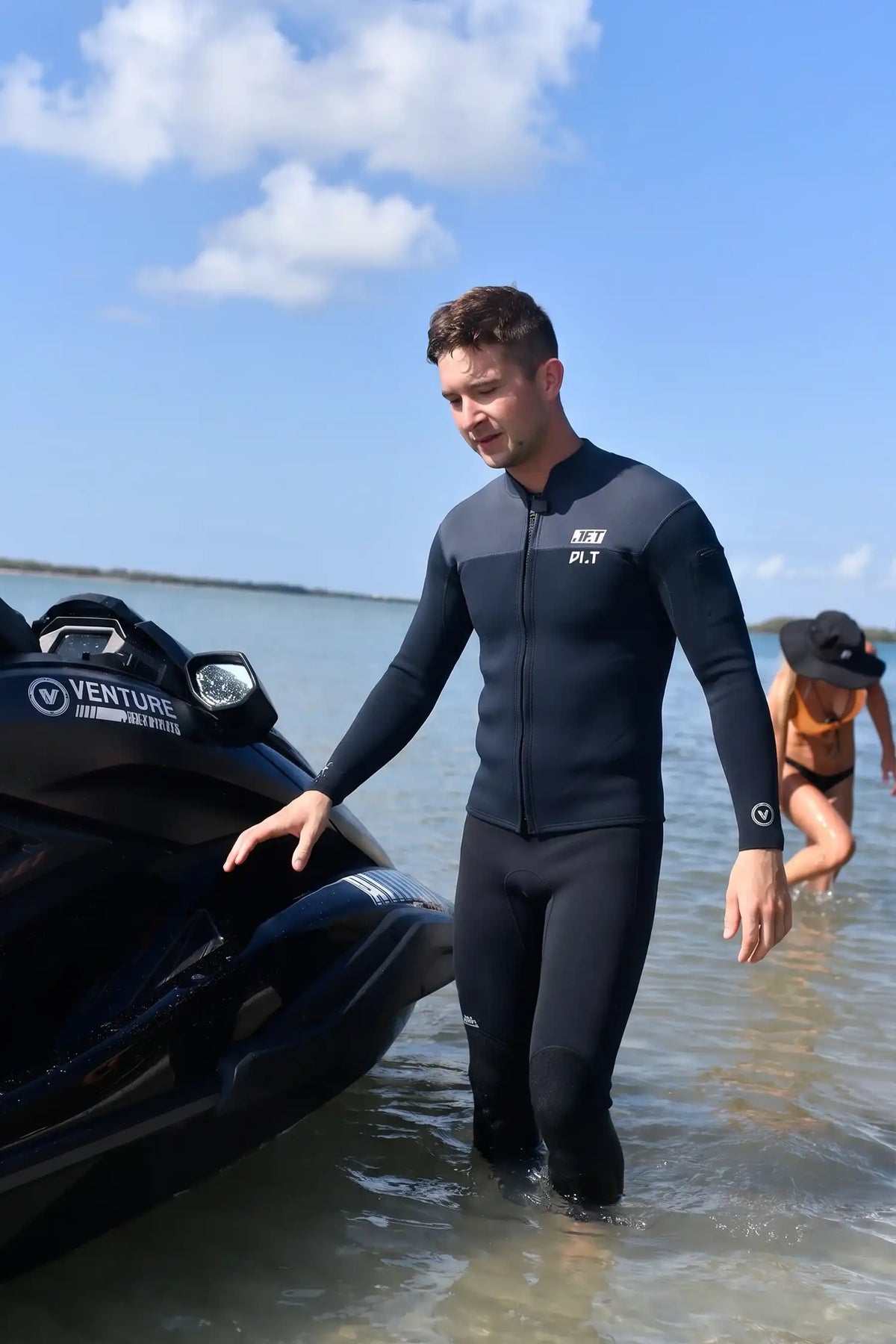
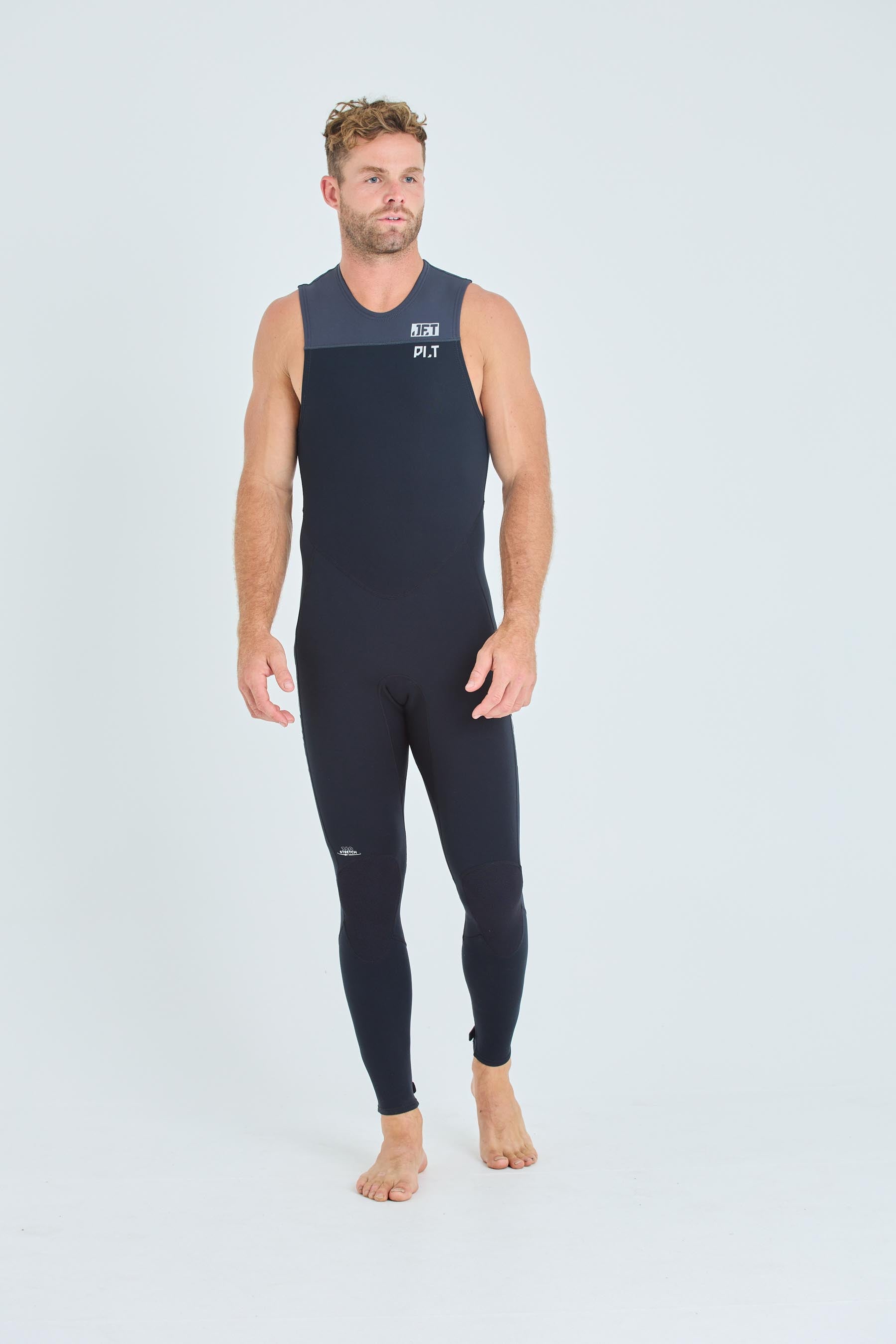
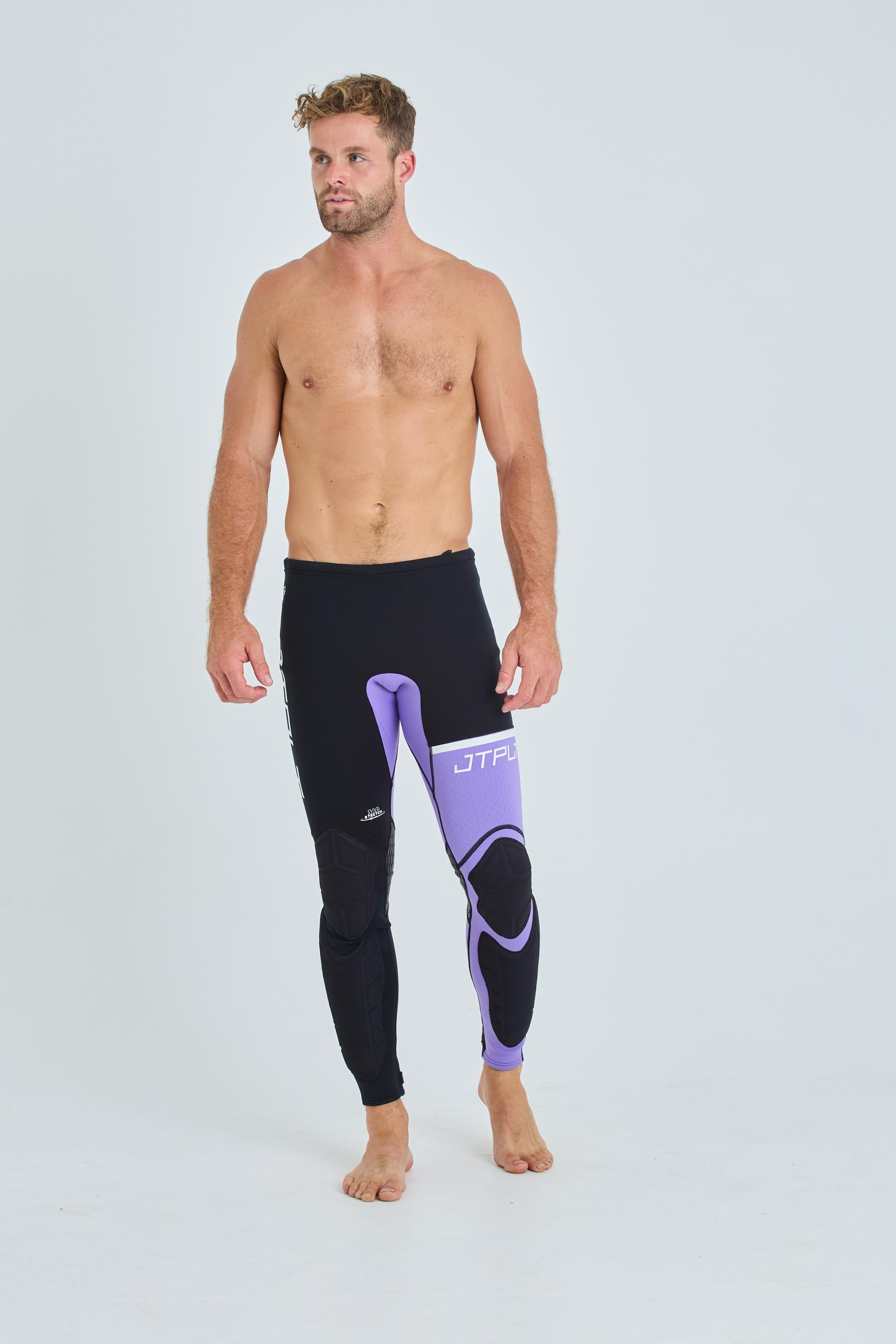
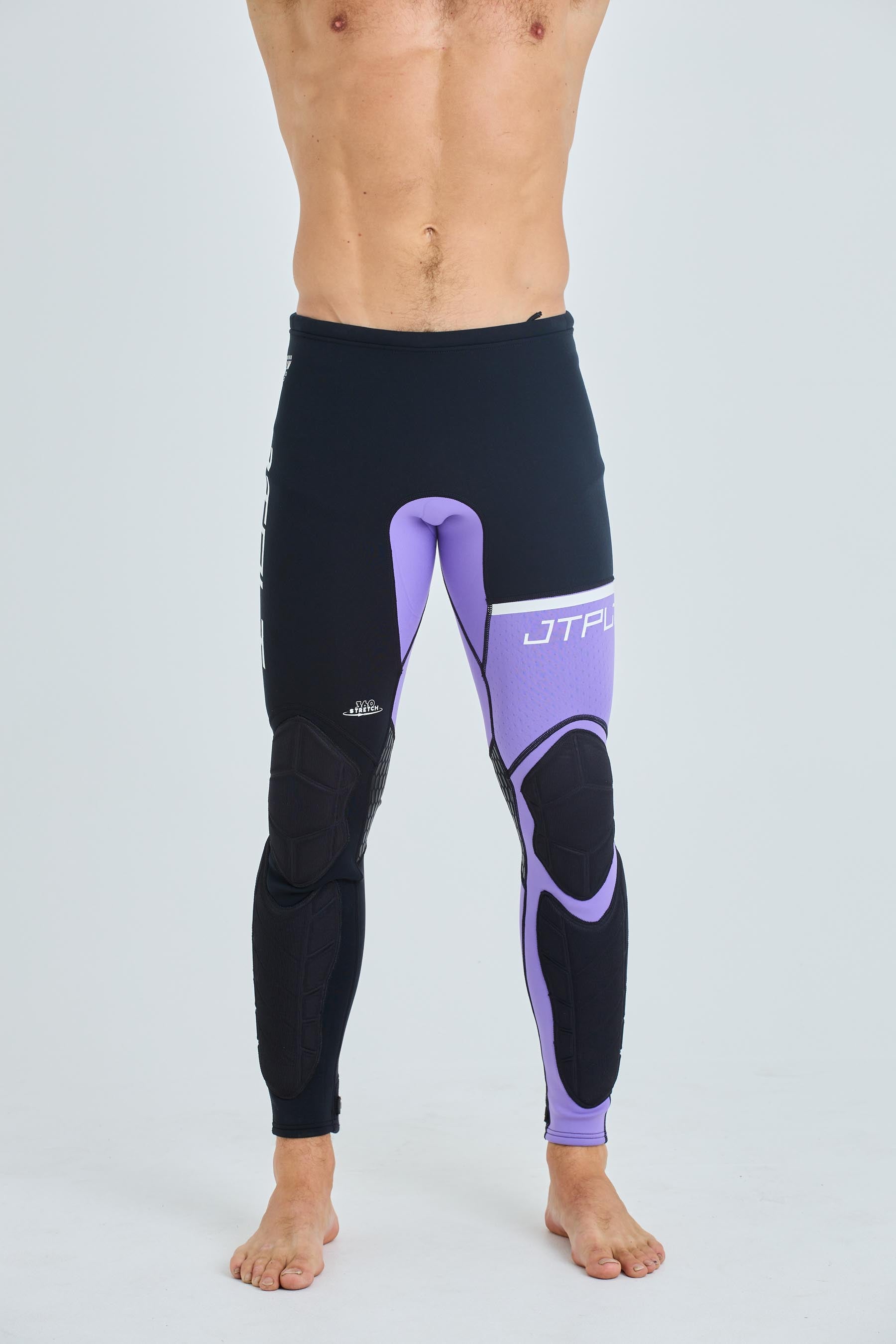
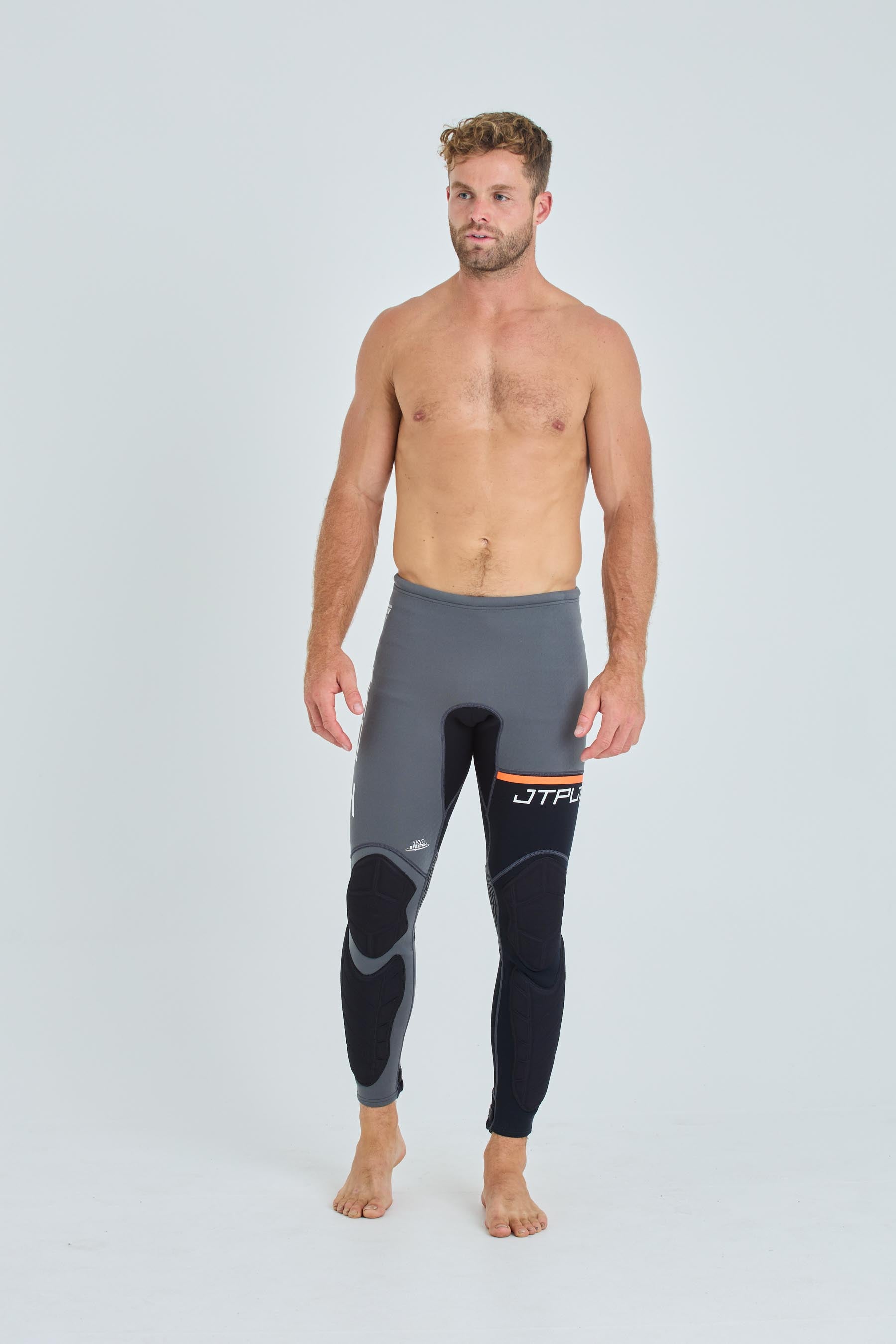
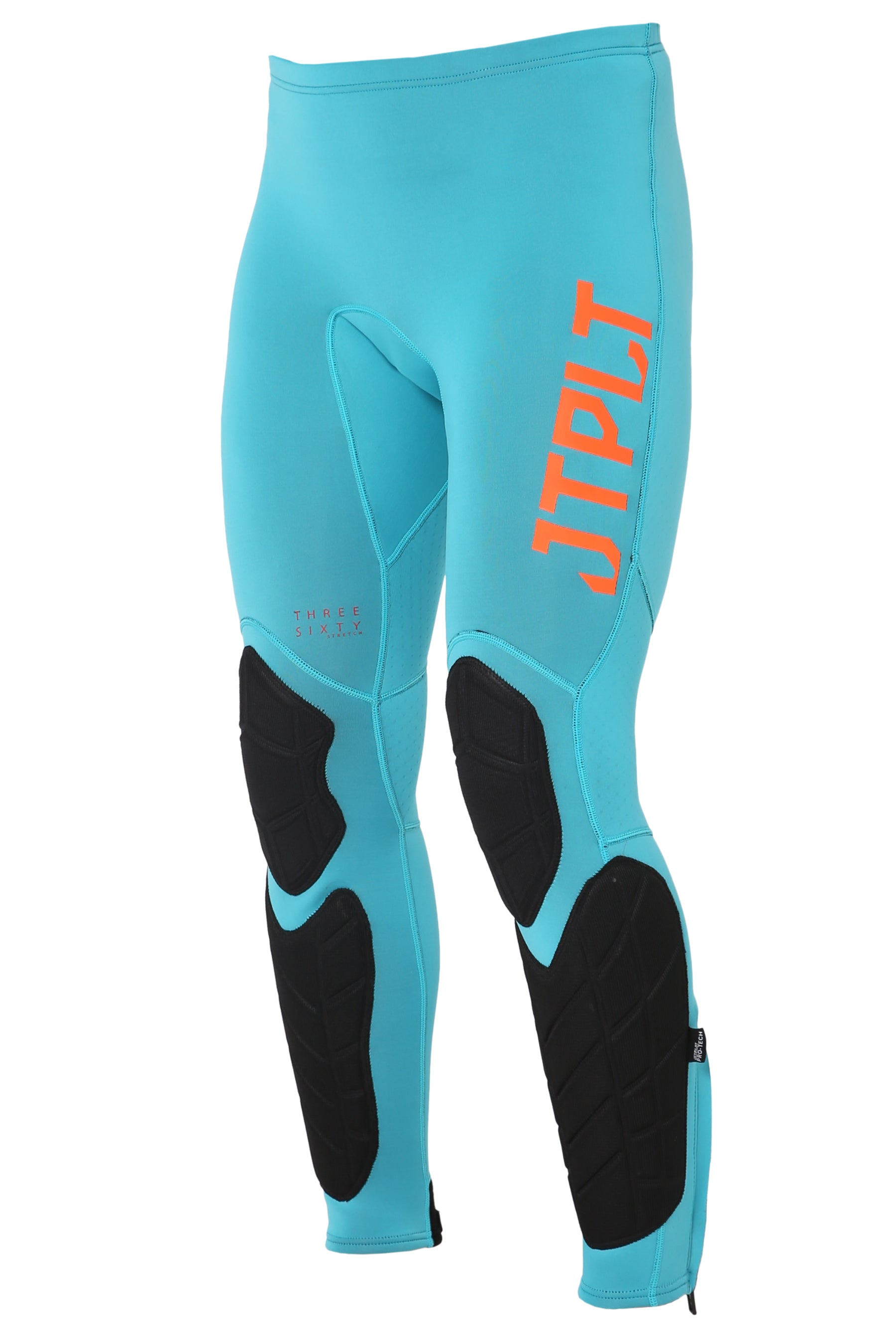
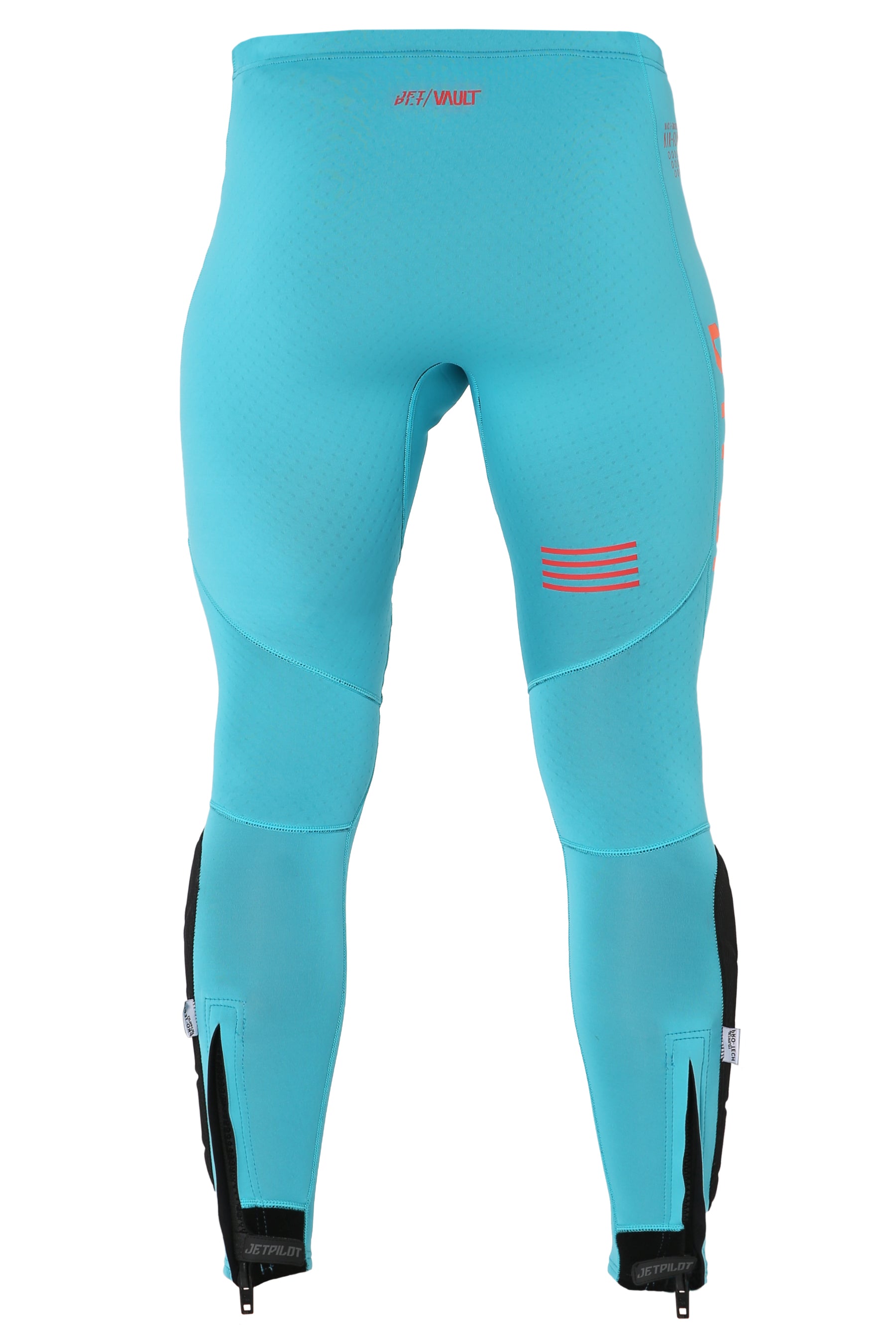
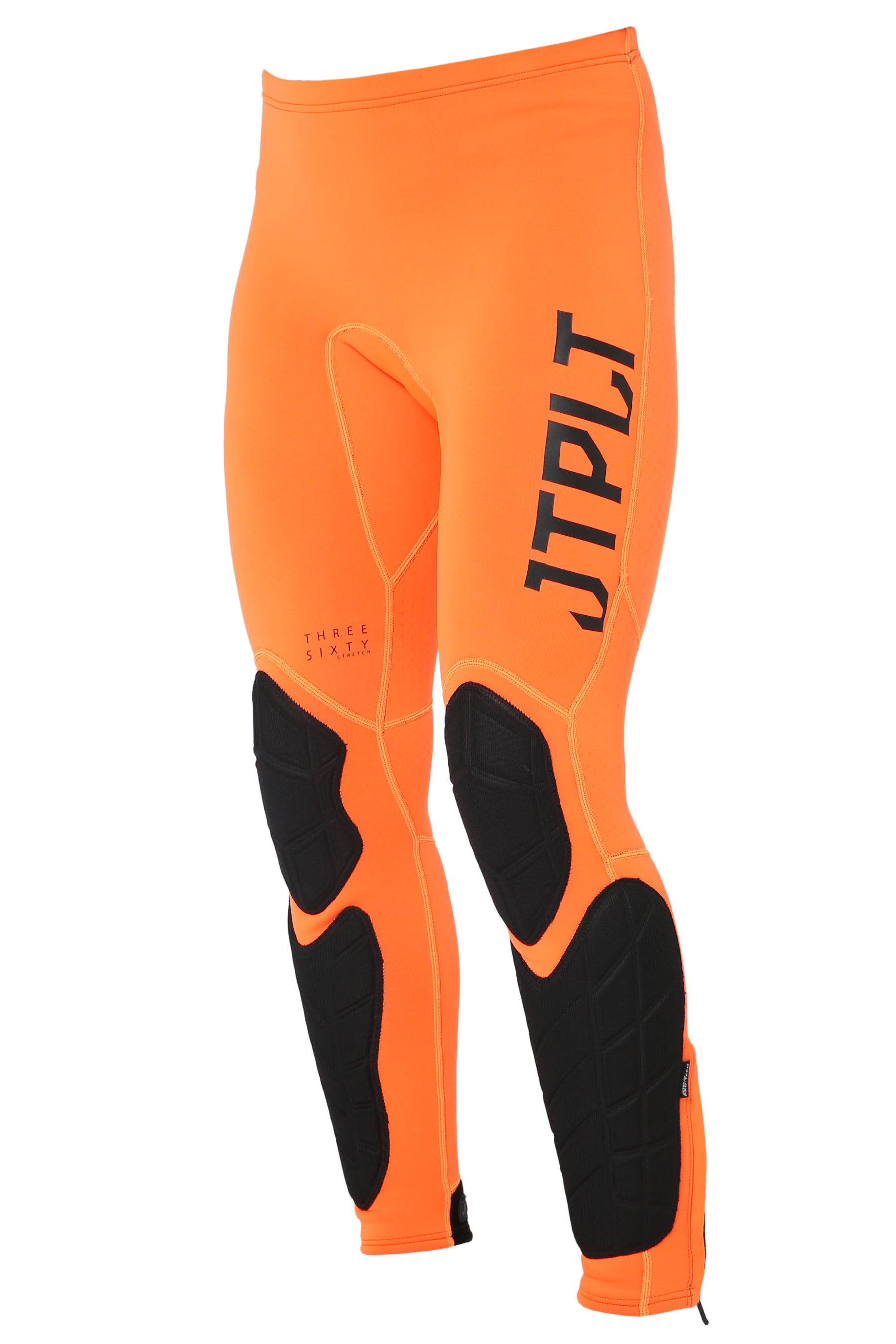
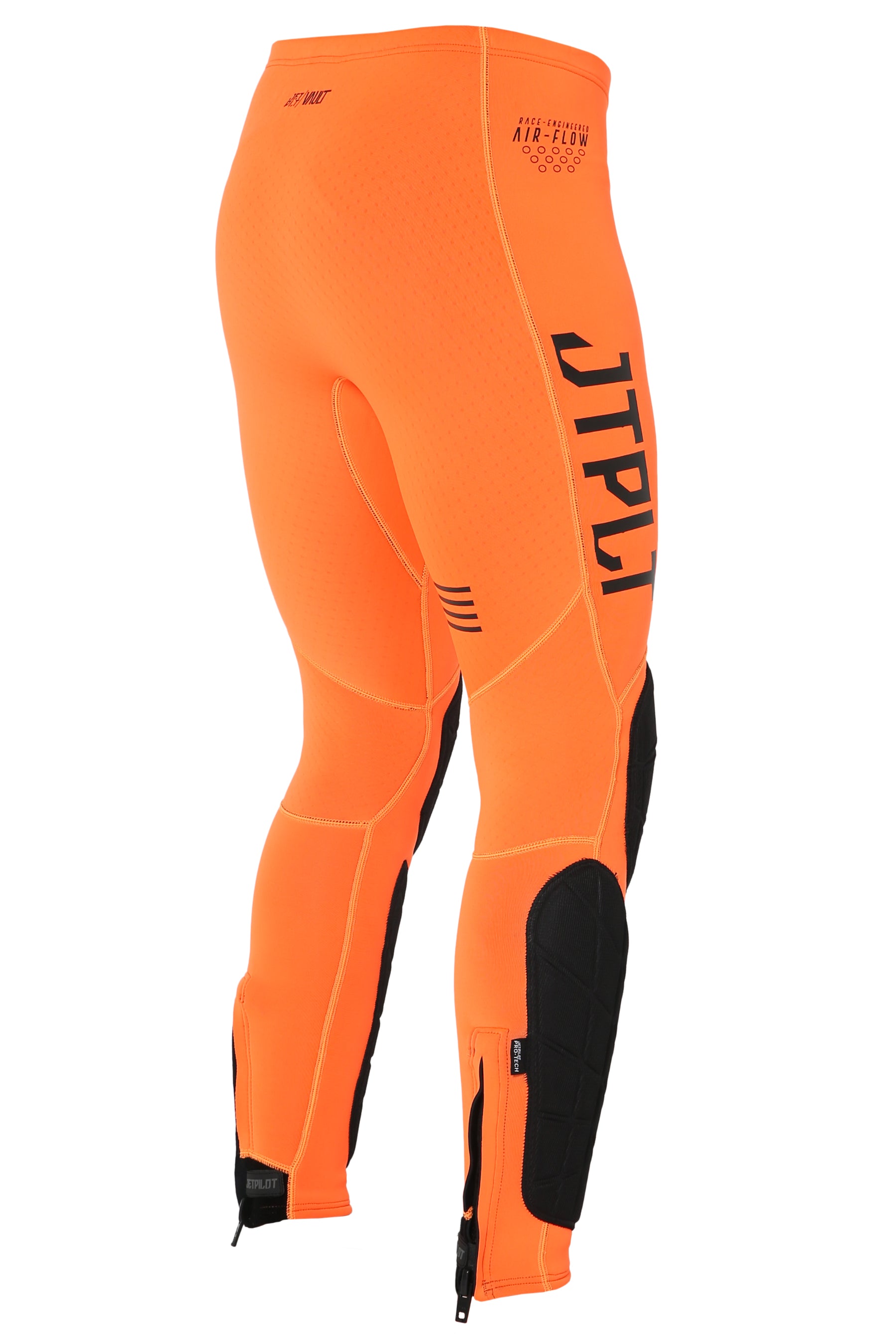
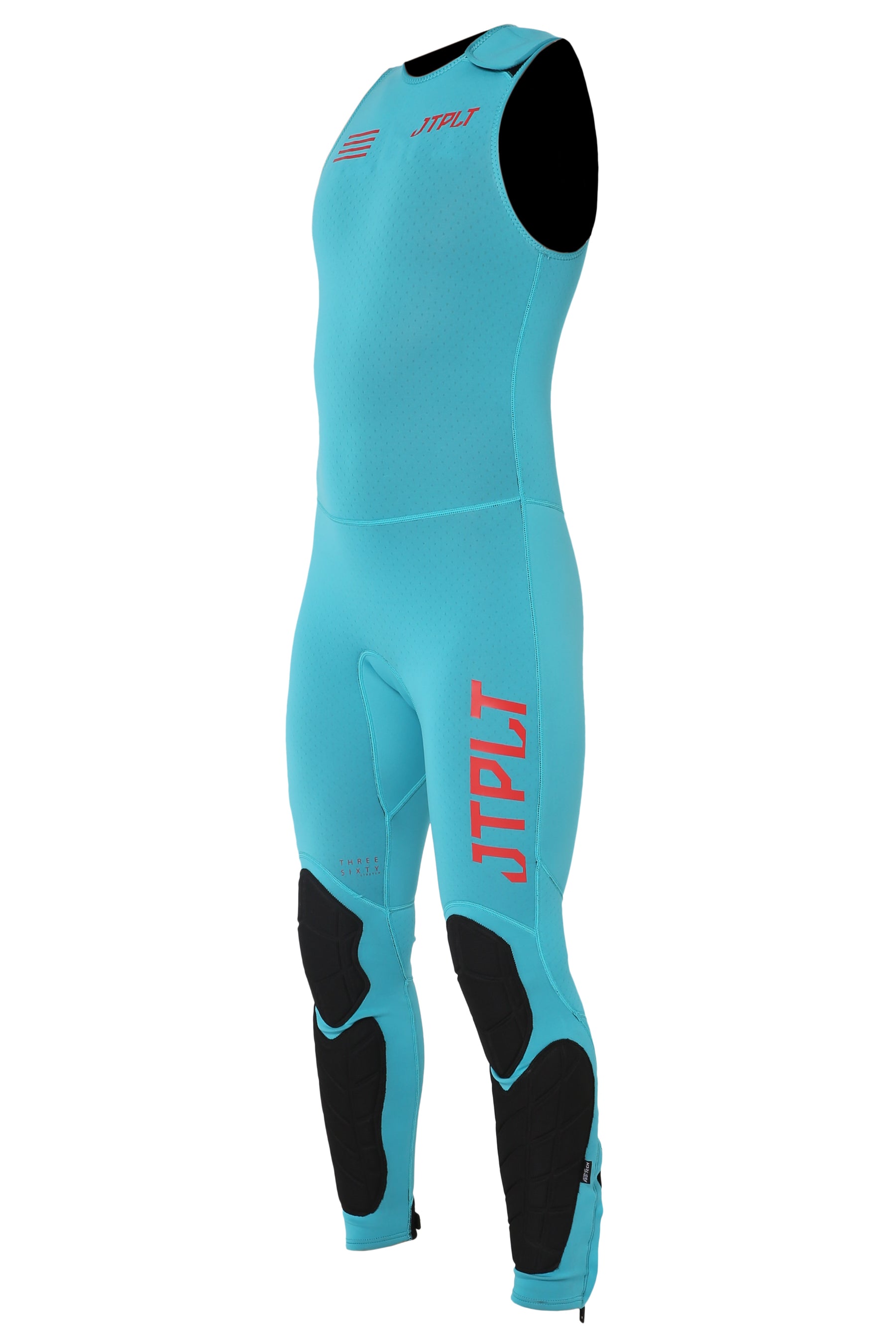
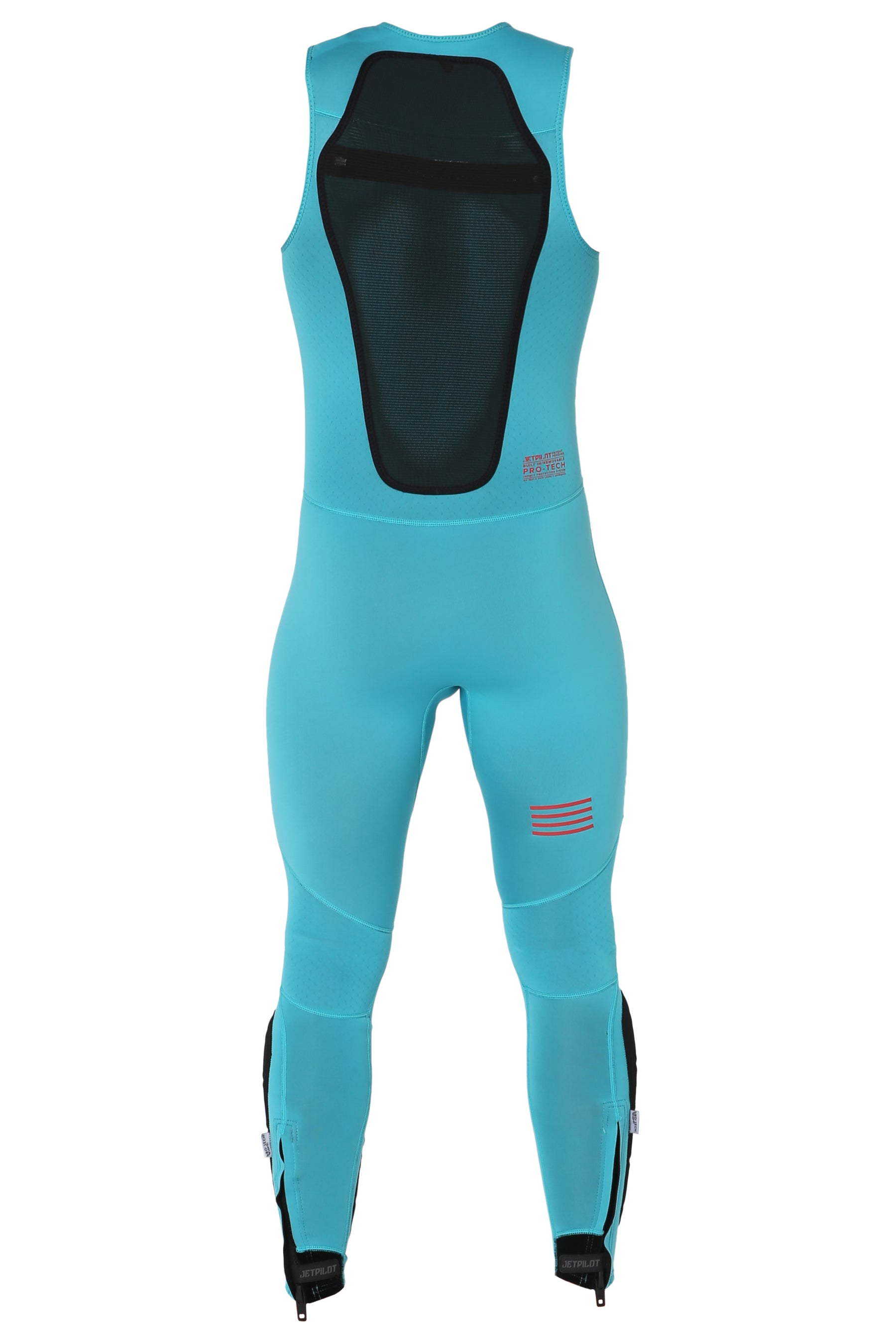
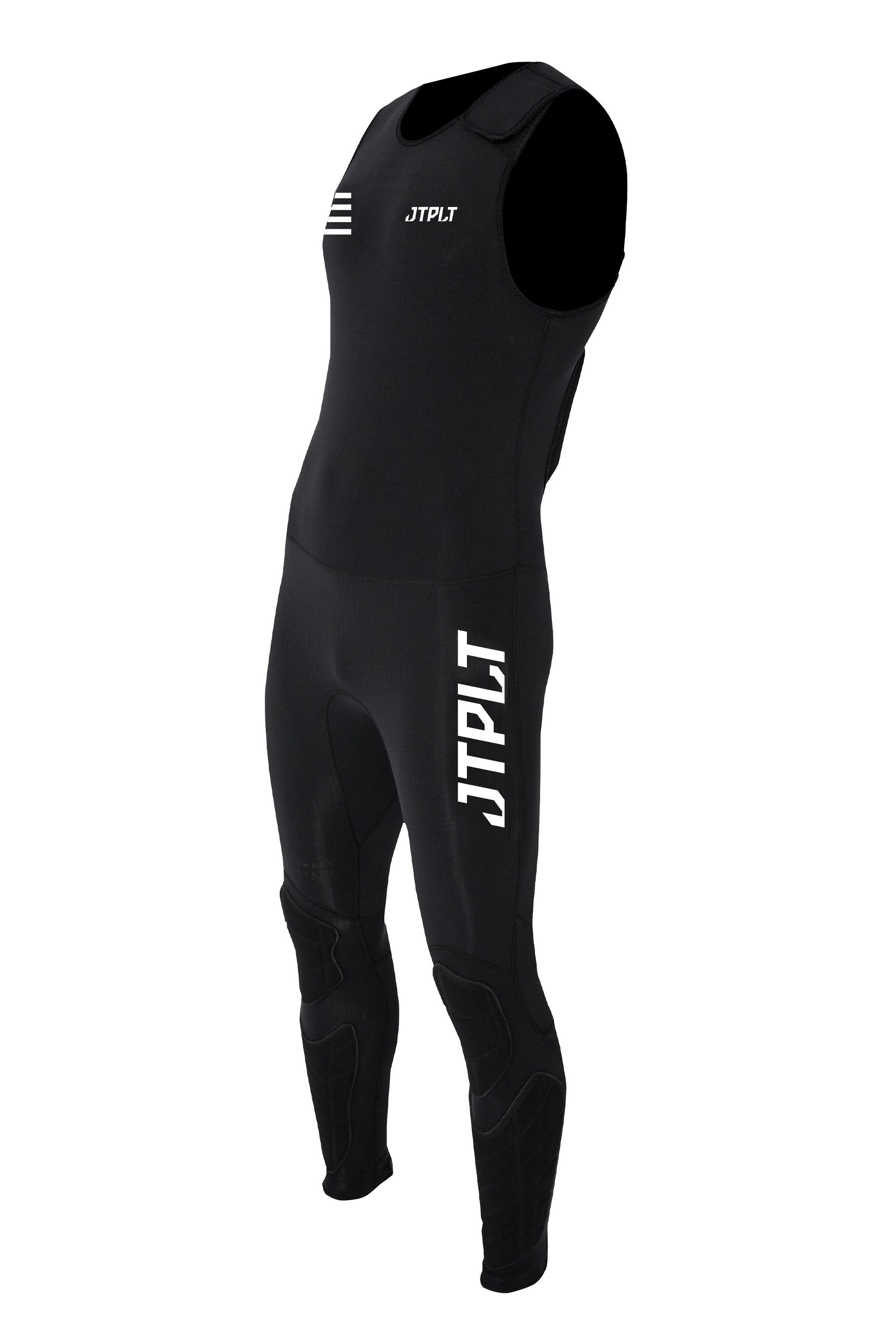
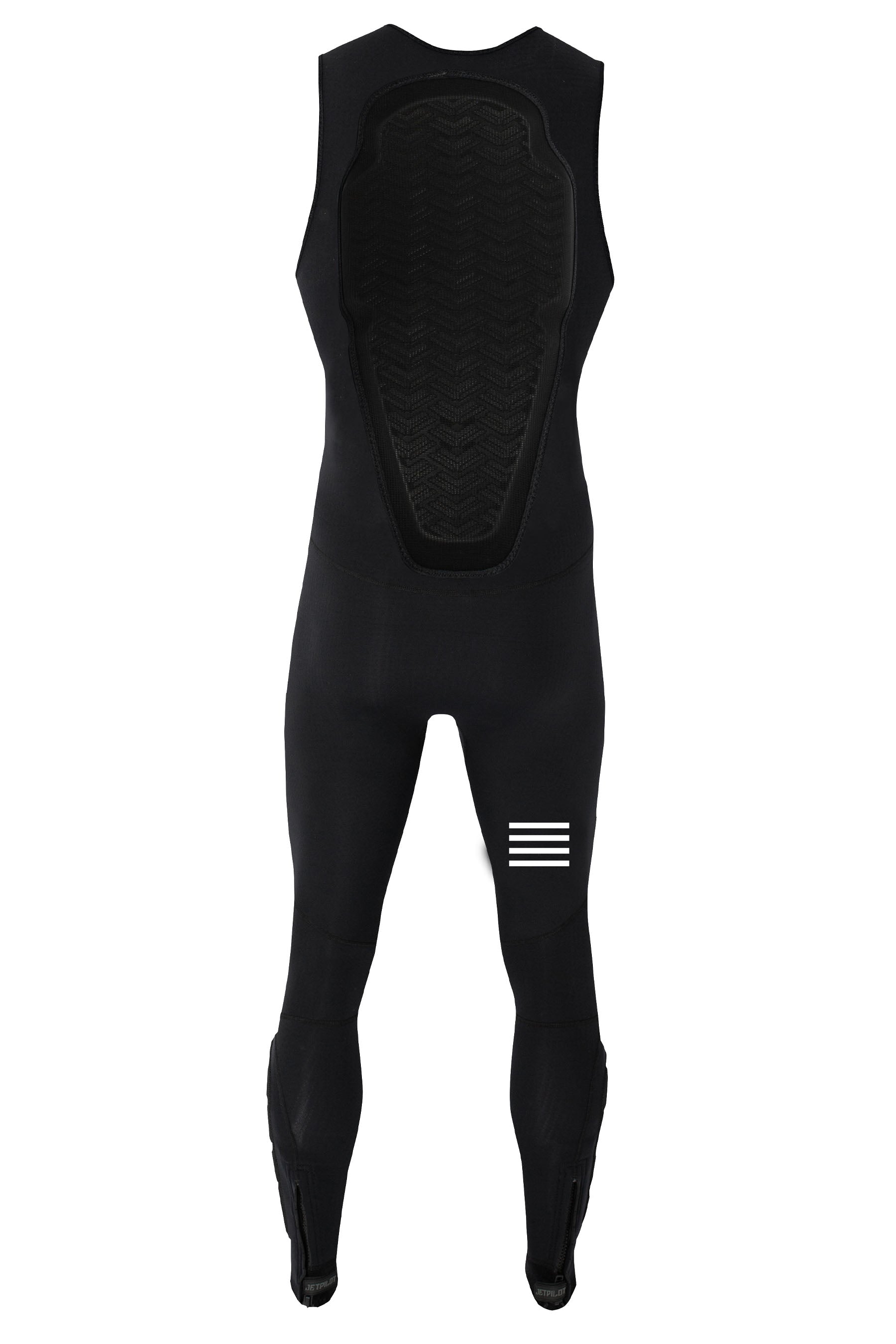
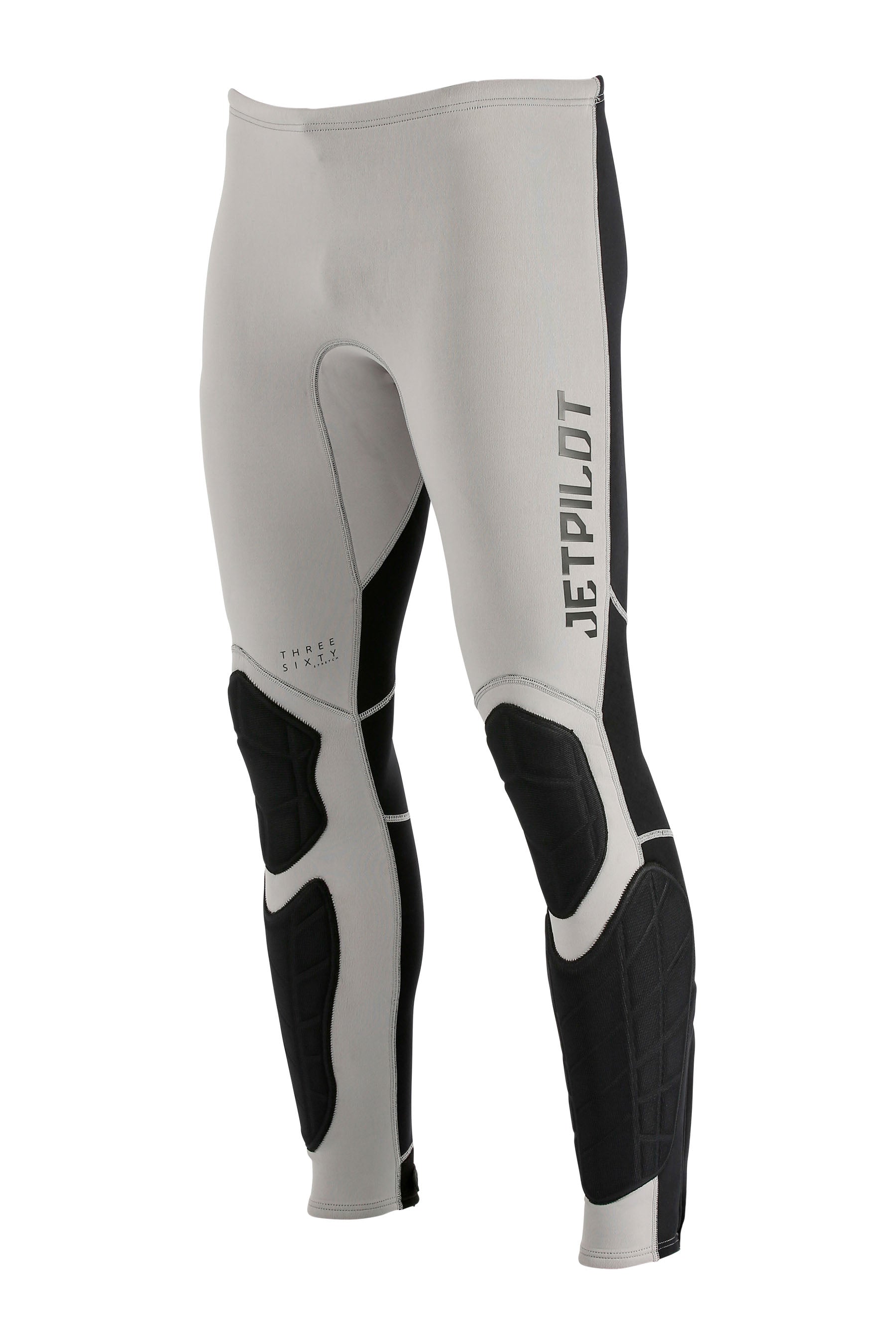
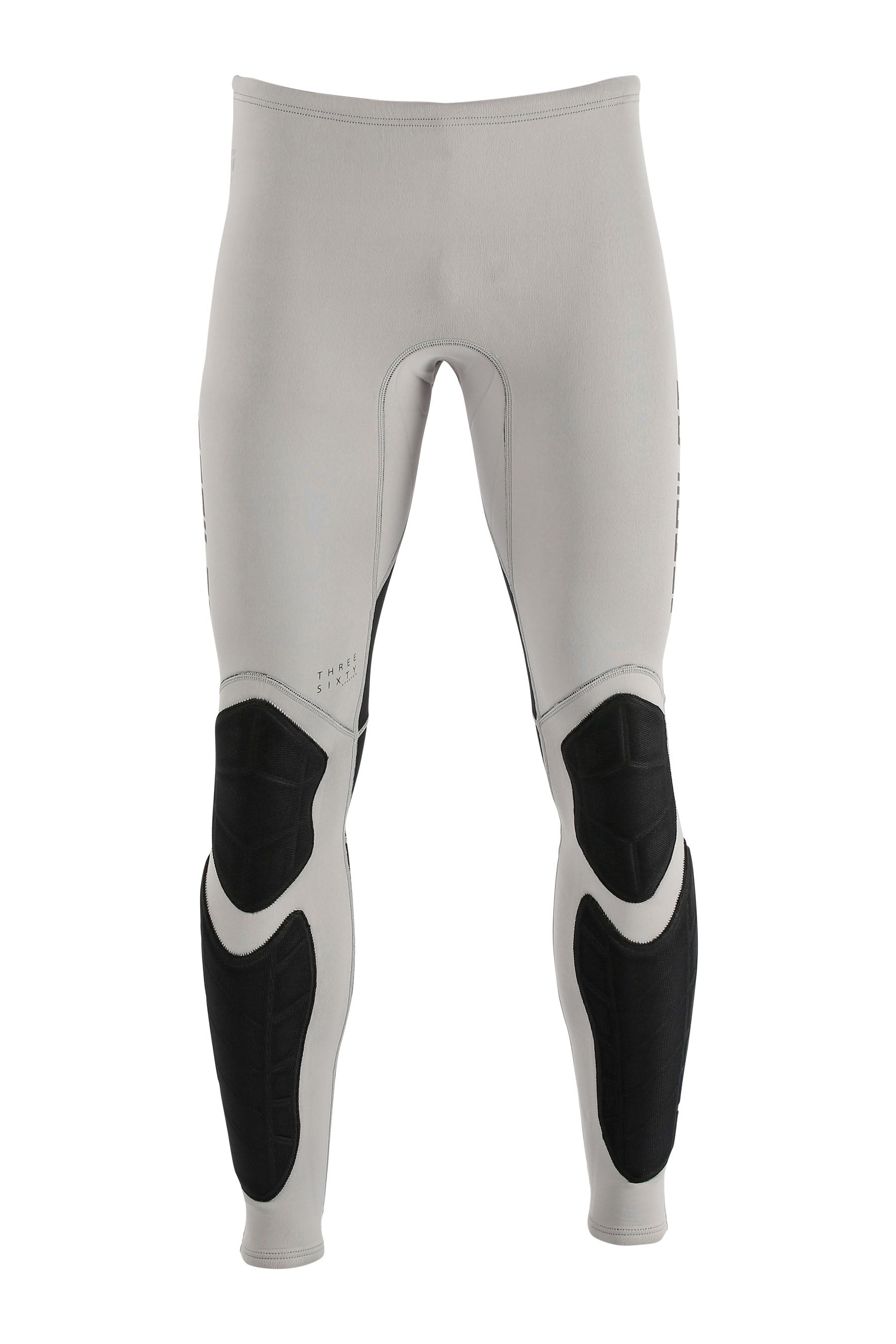
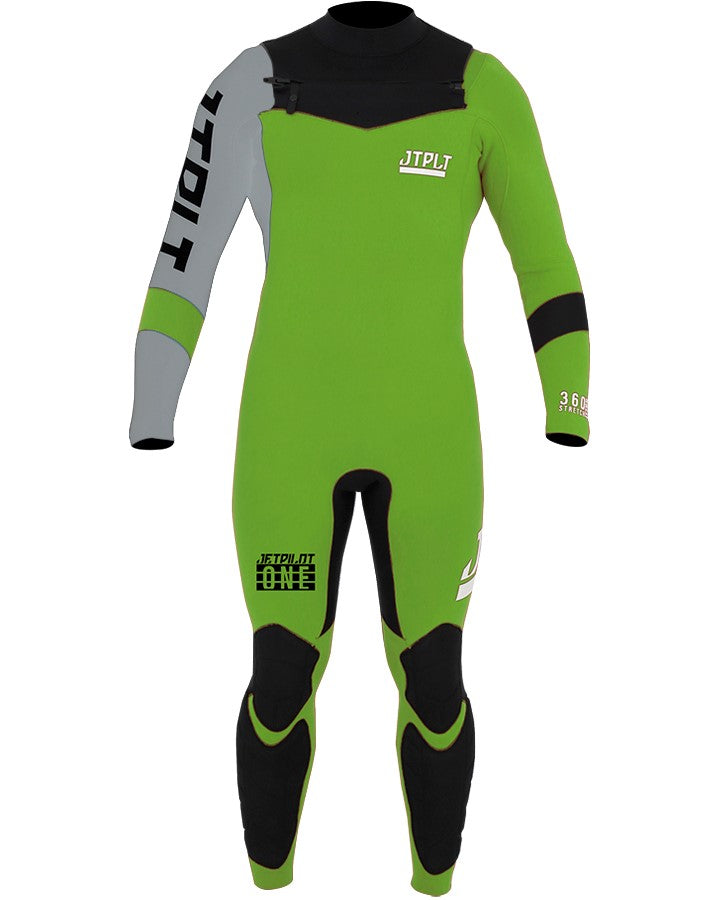
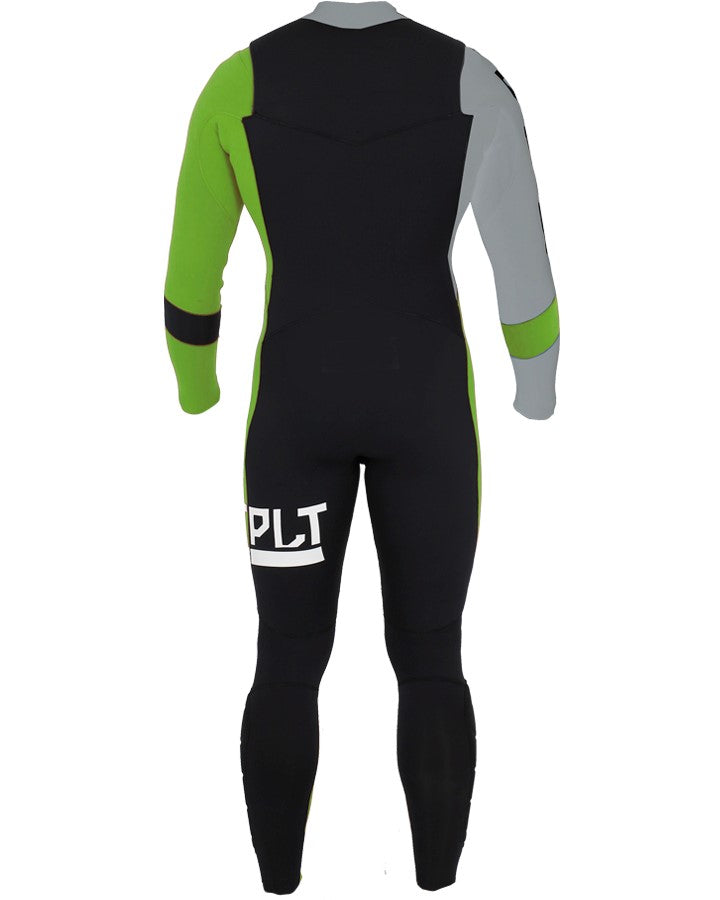
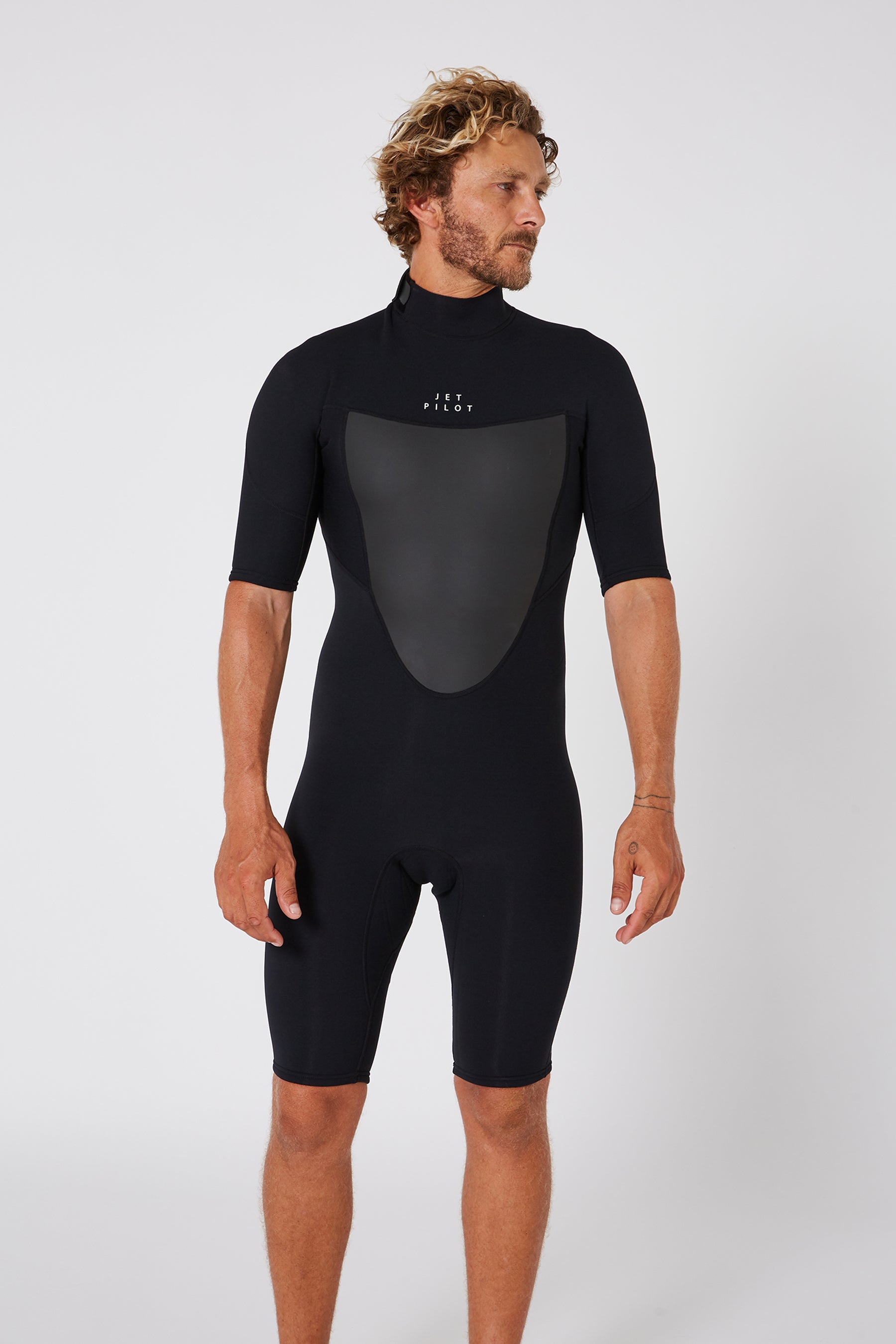
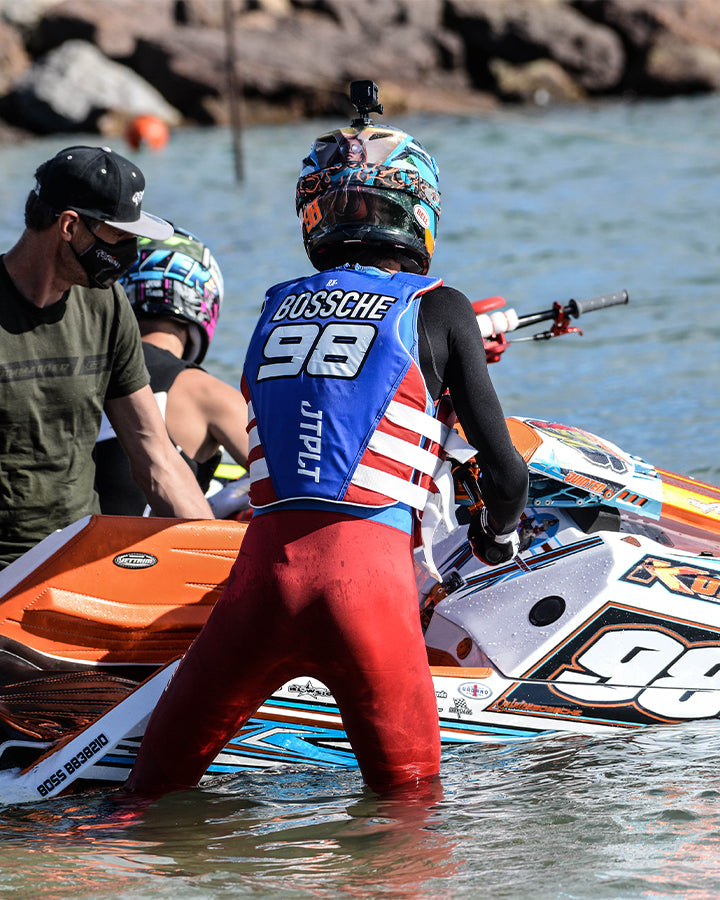
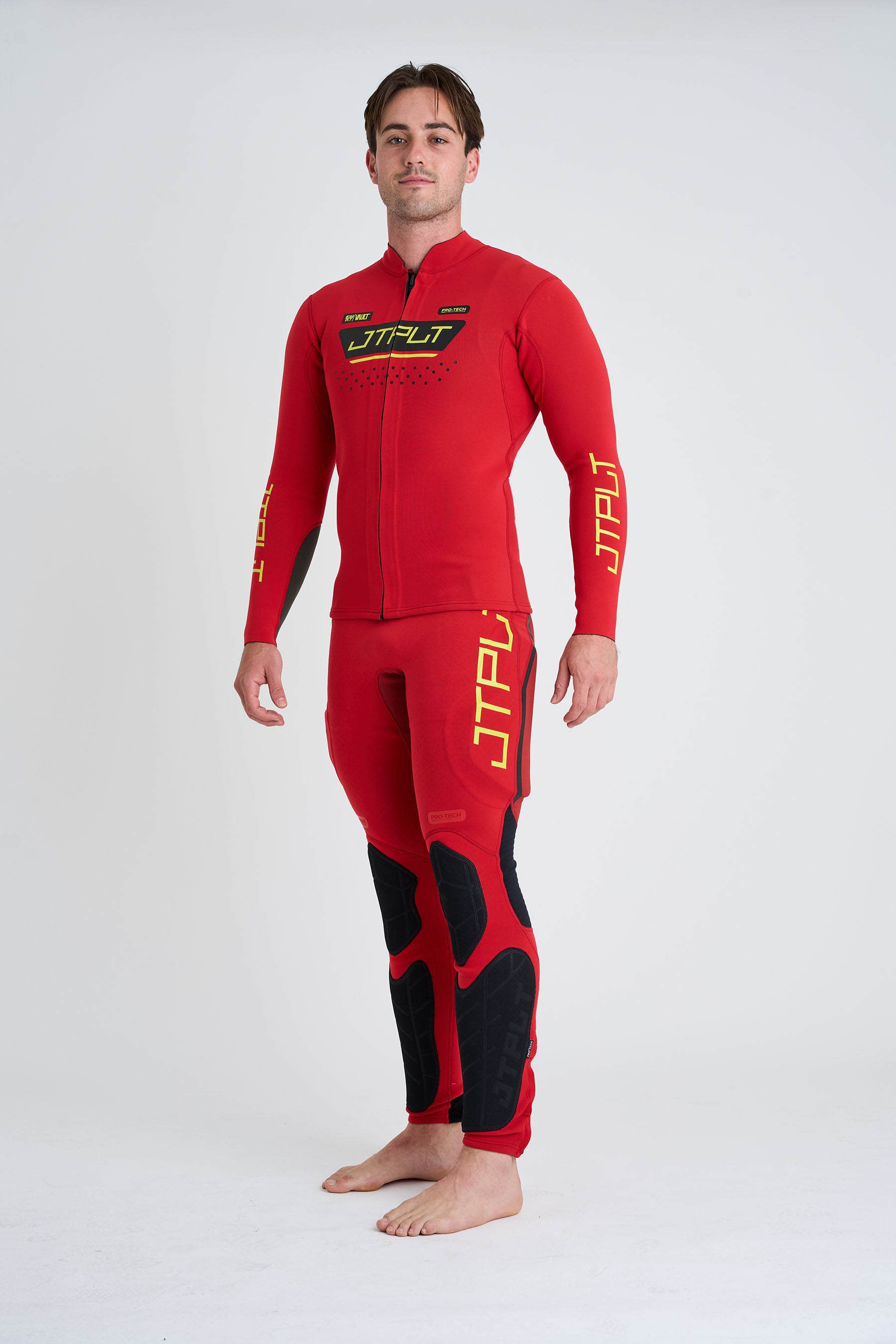
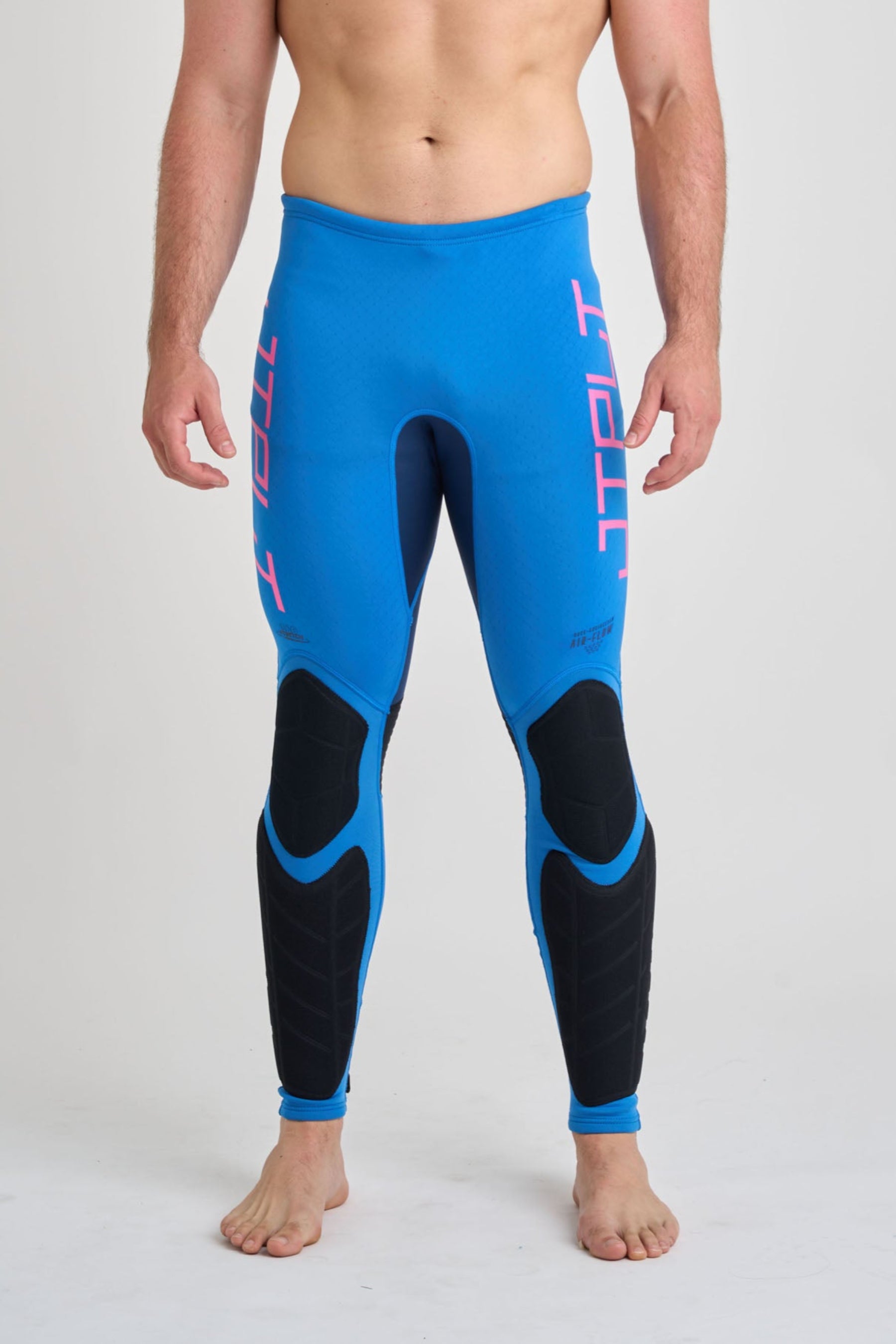
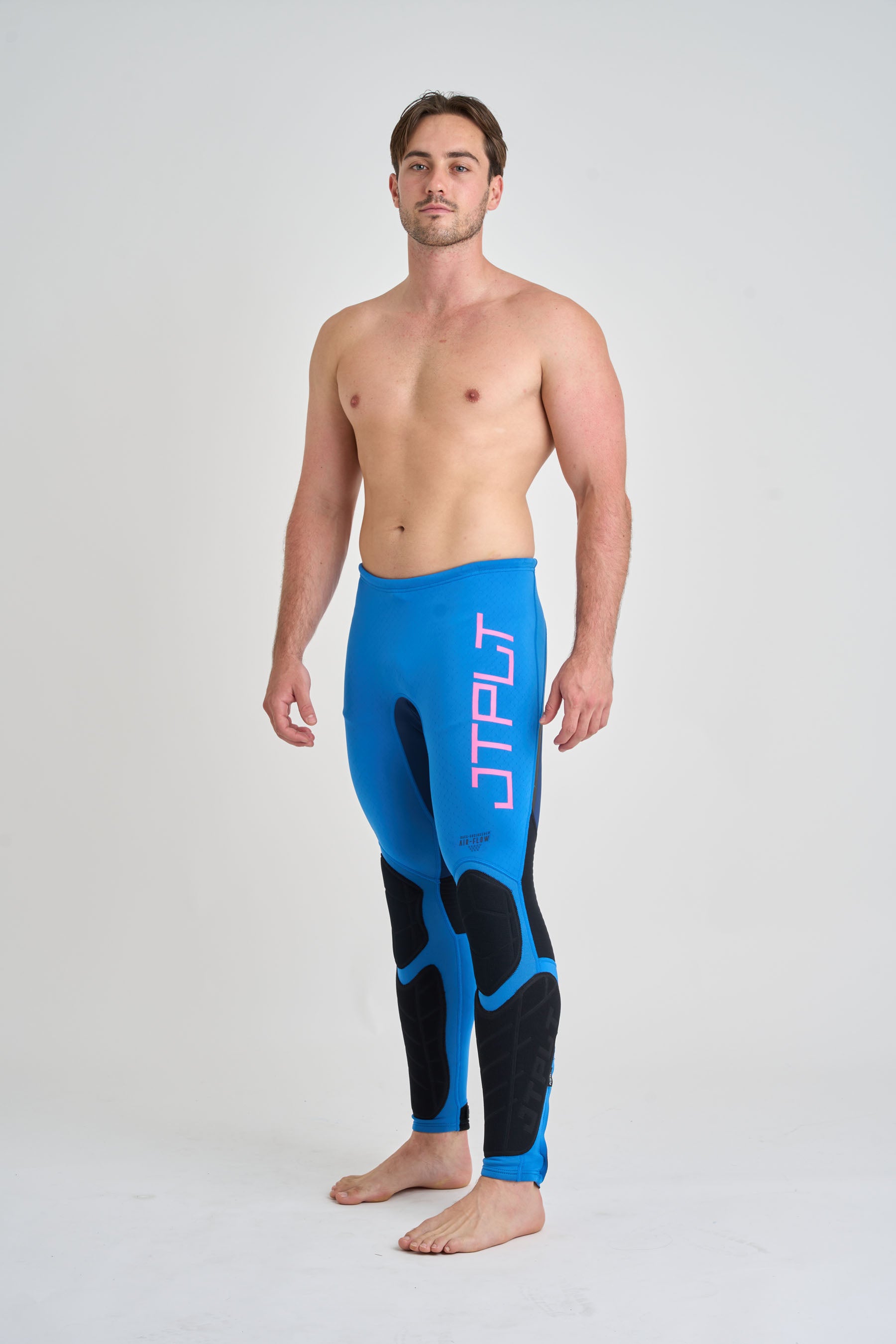
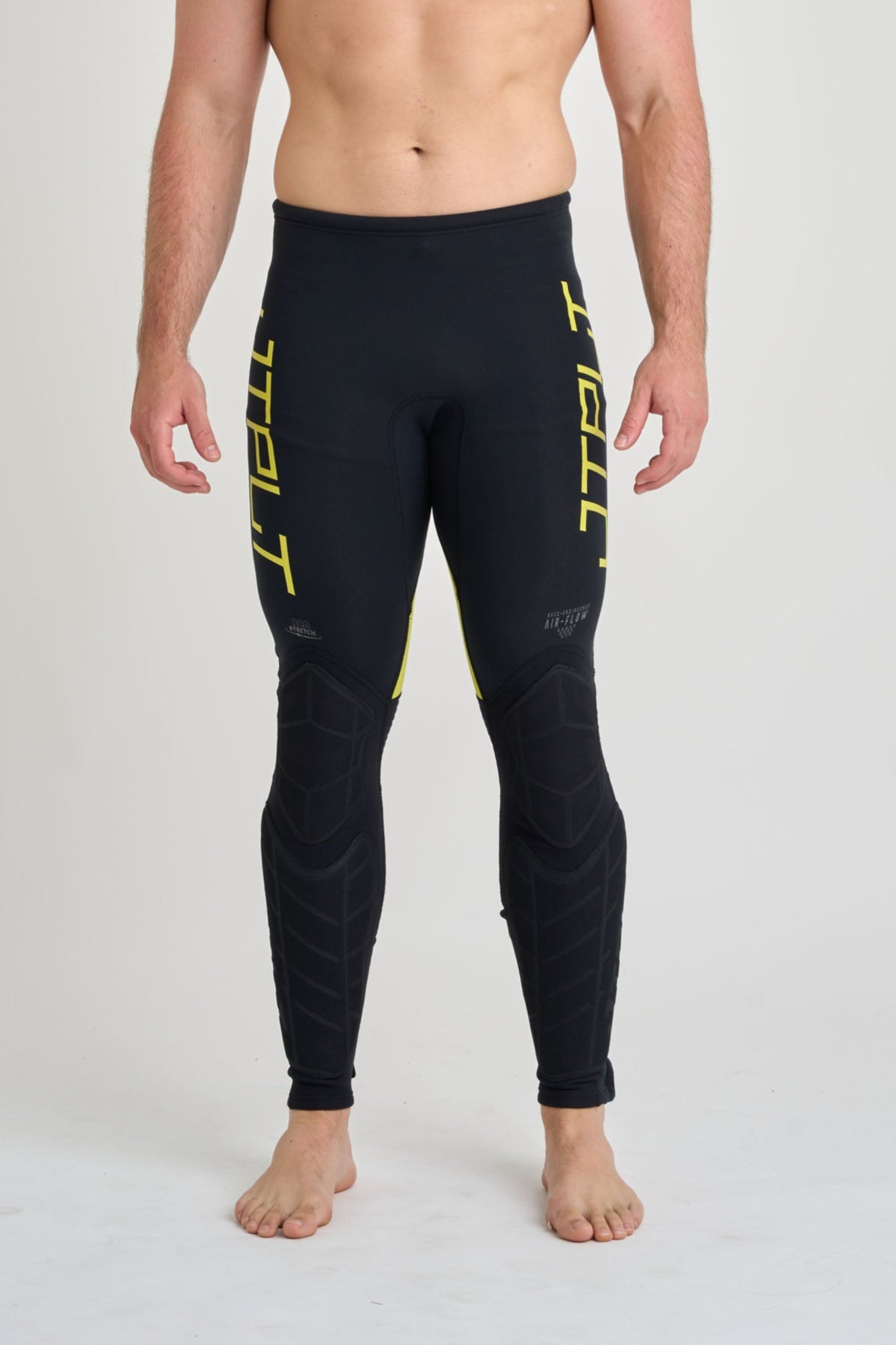
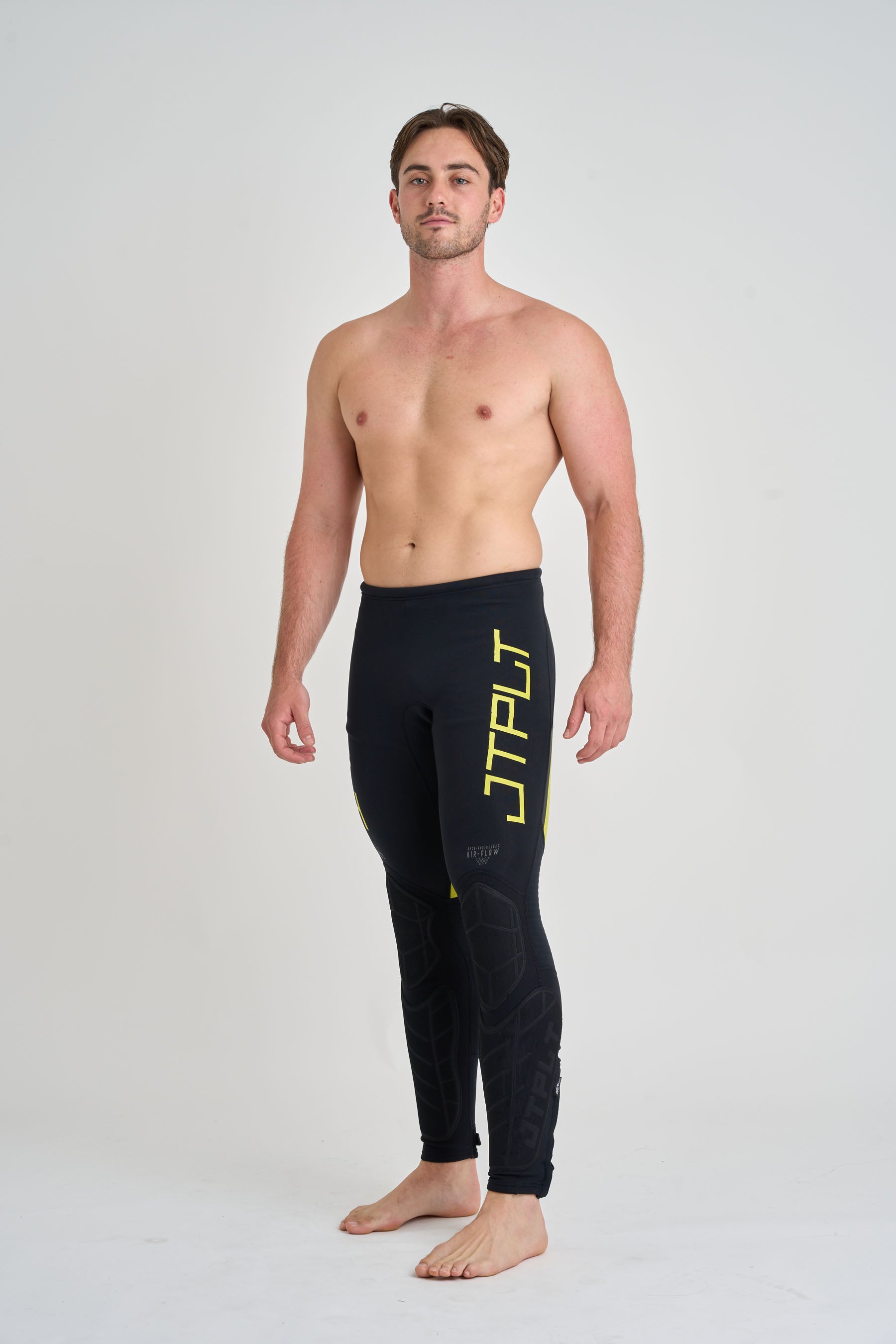
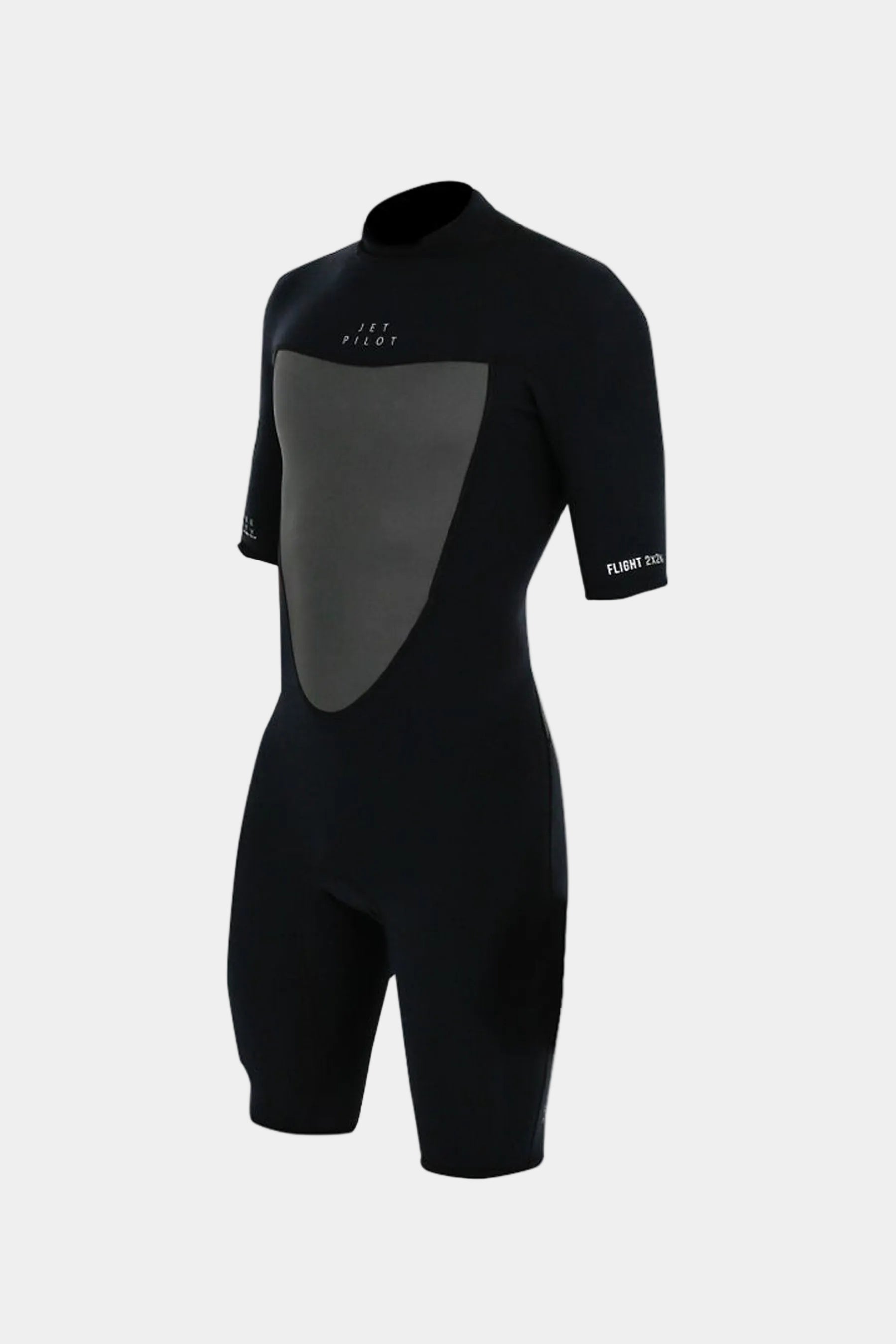
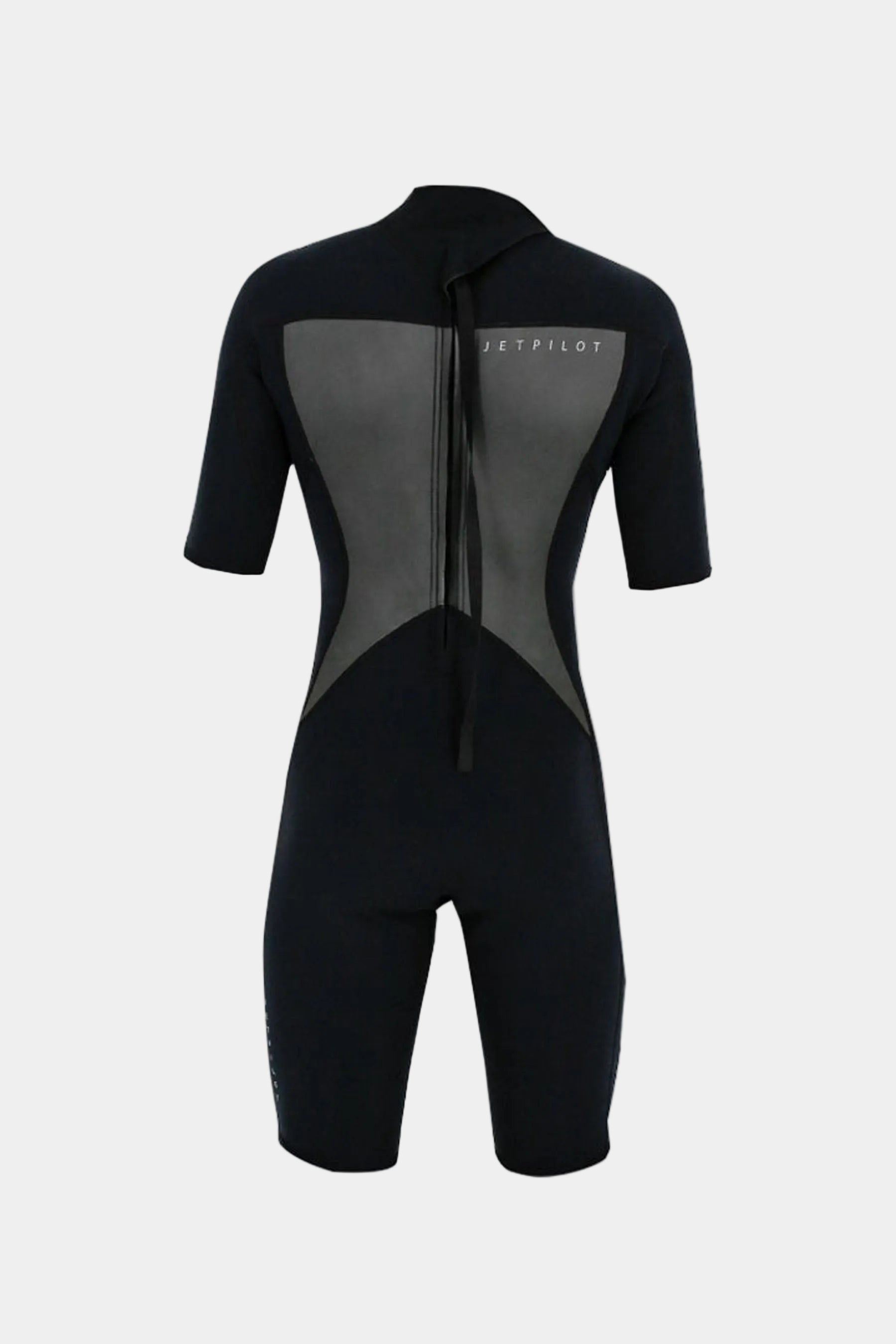
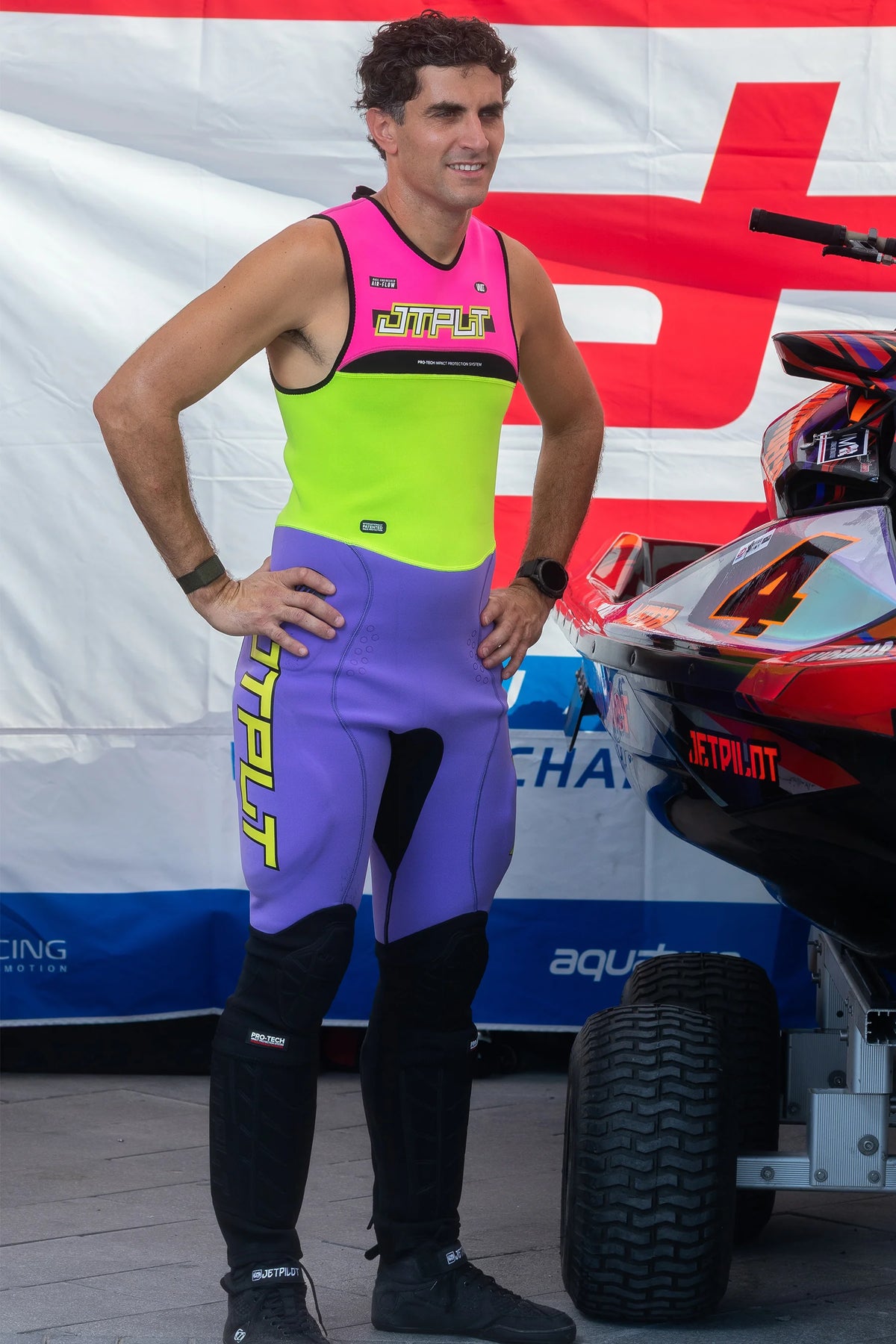
A surf suit is cut for paddling. Nobody on this page paddles. A jet ski, wake or tow-sports wetsuit has to move in a seated riding position, cop the chop and the odd stack, and hold warmth without holding water, so everything here is cut for that: race johns, neo pants, race jackets, tour coats, a back-zip springsuit and the RX1 4X3 steamer for the cold months.
Build the suit to the day
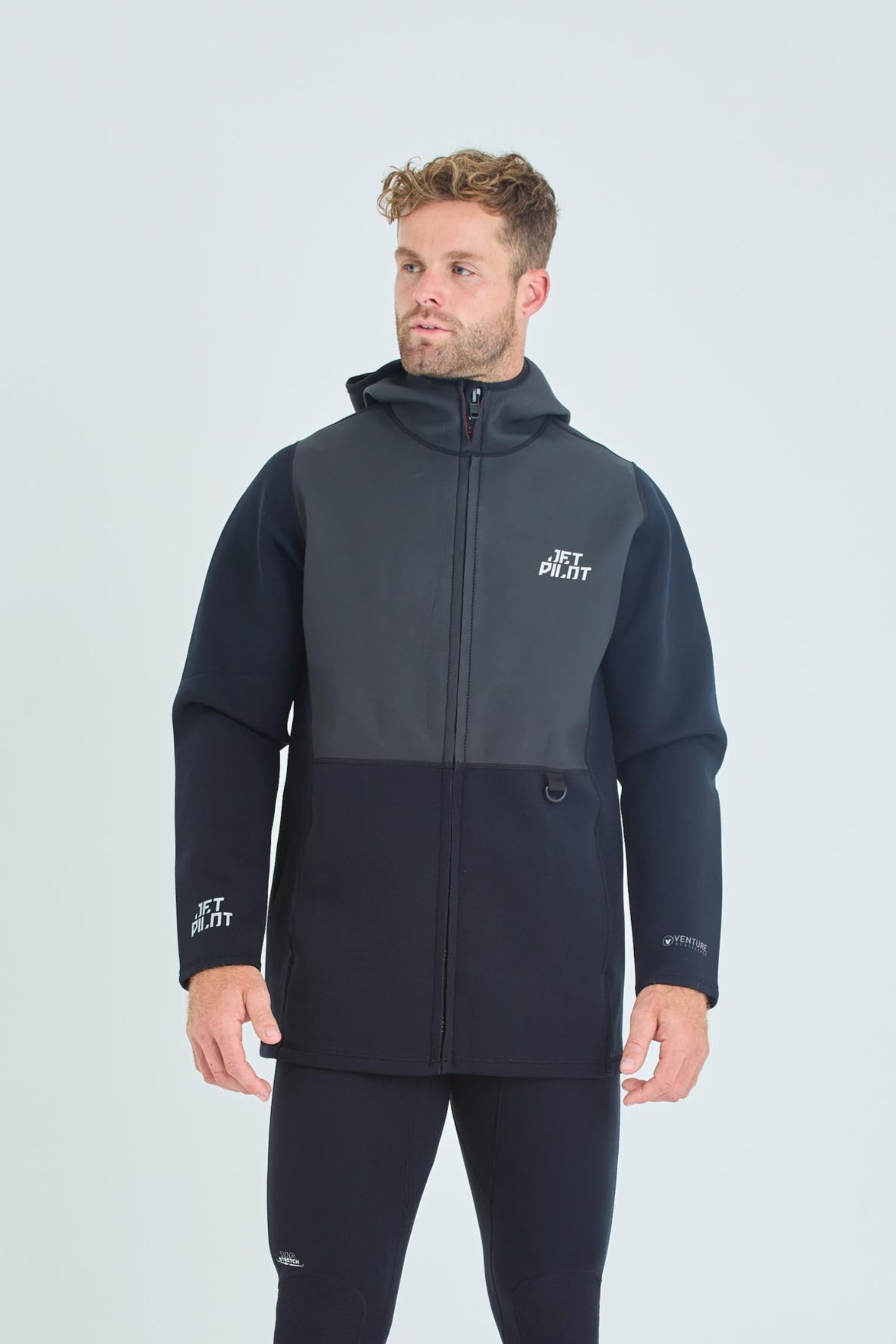
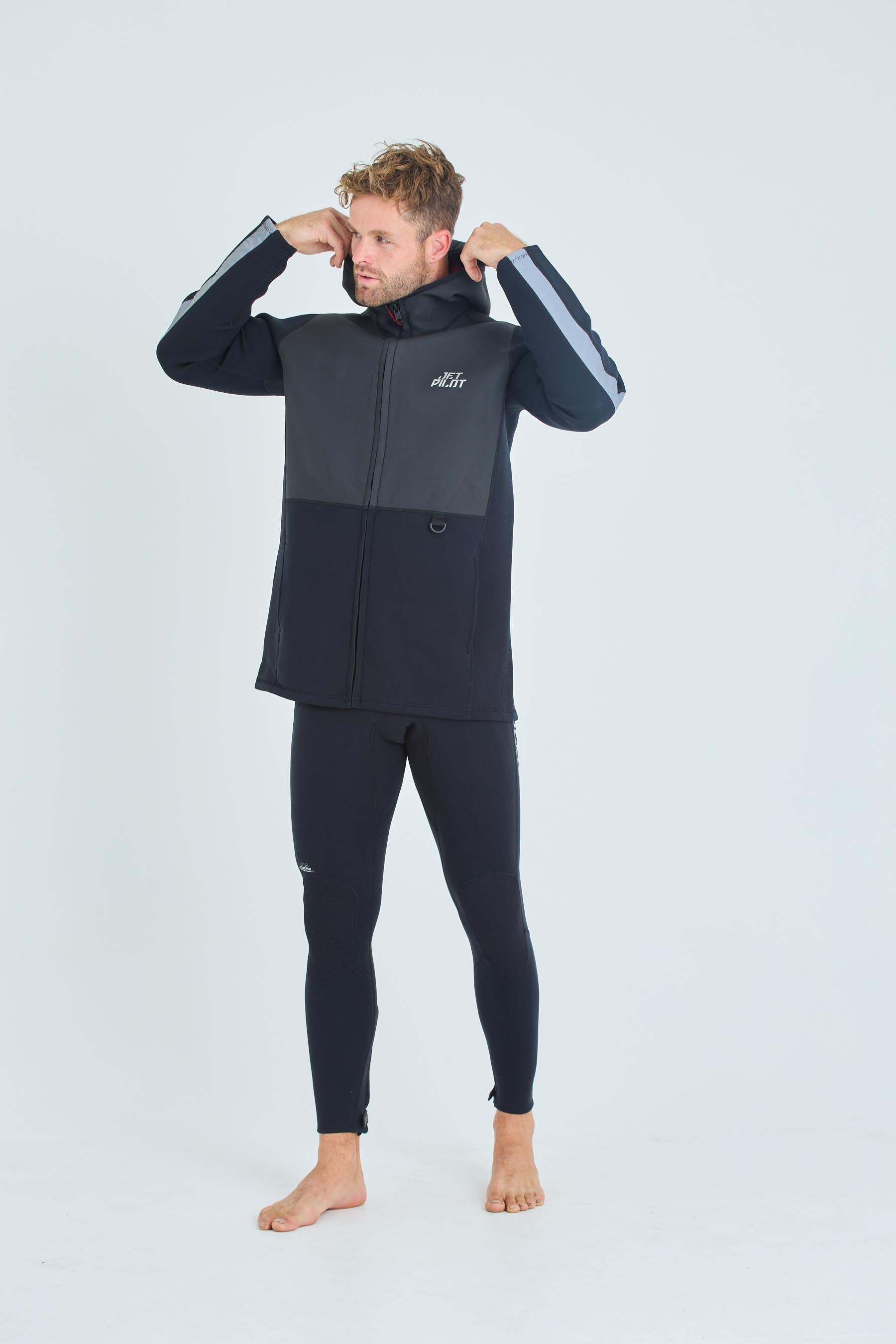
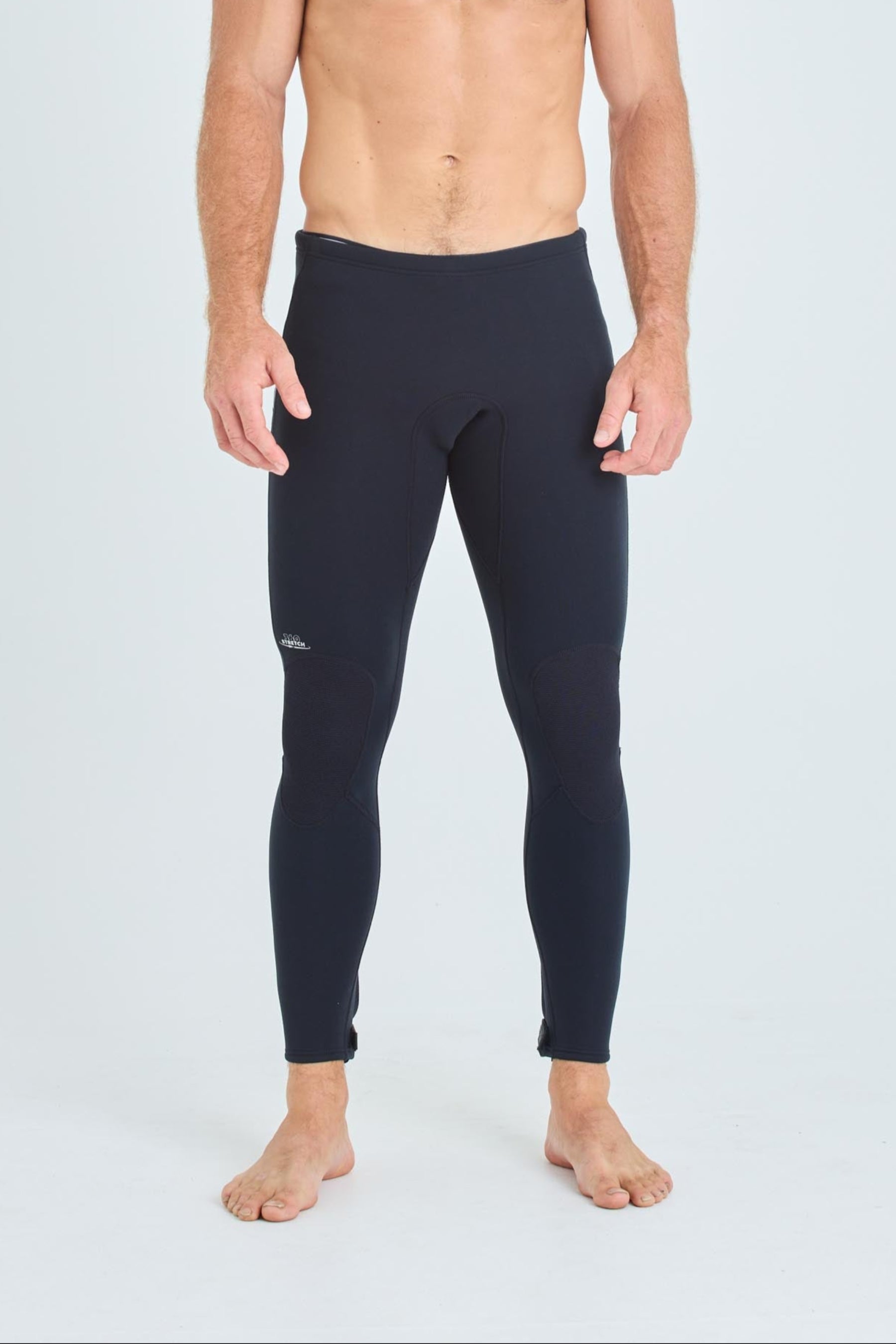
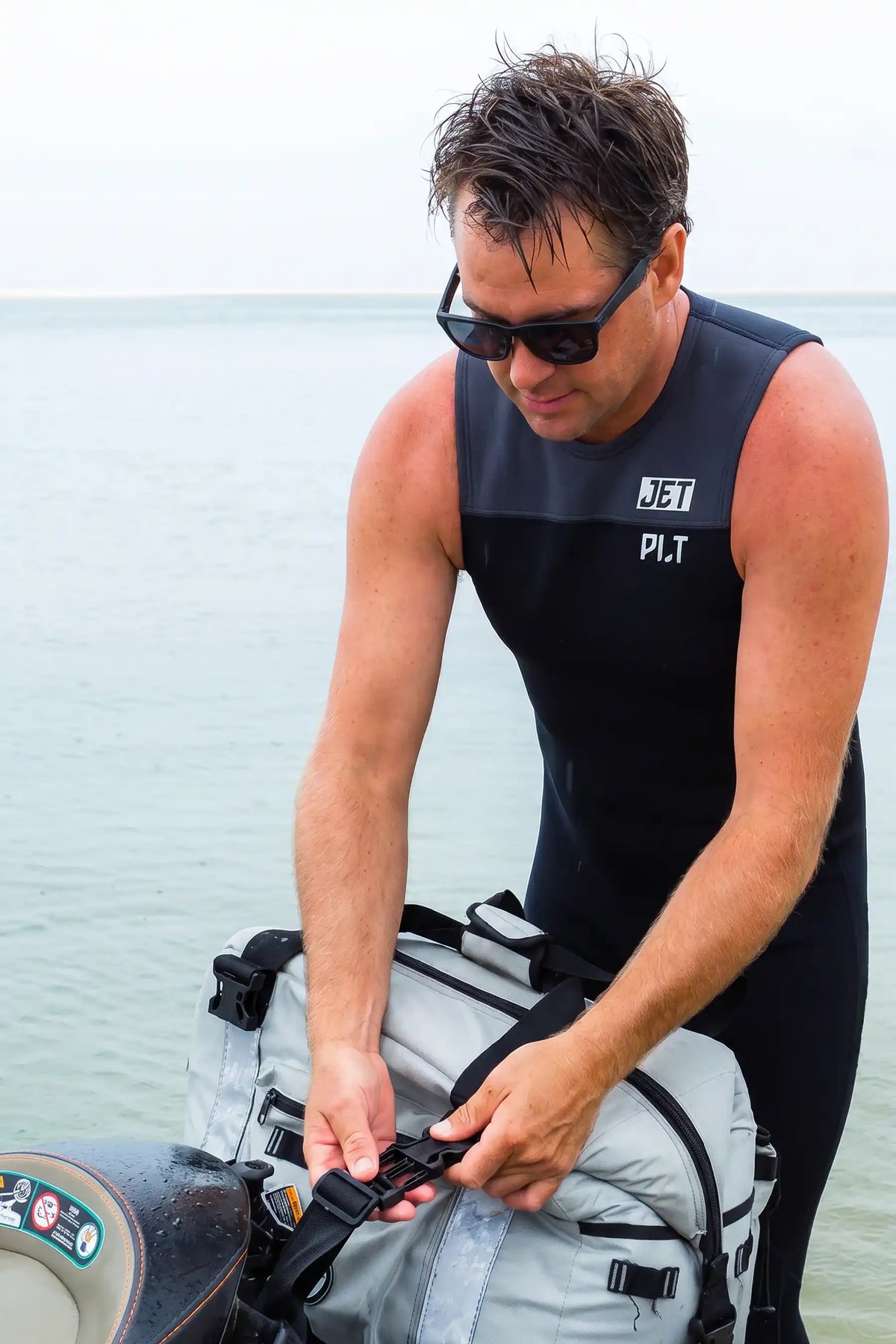
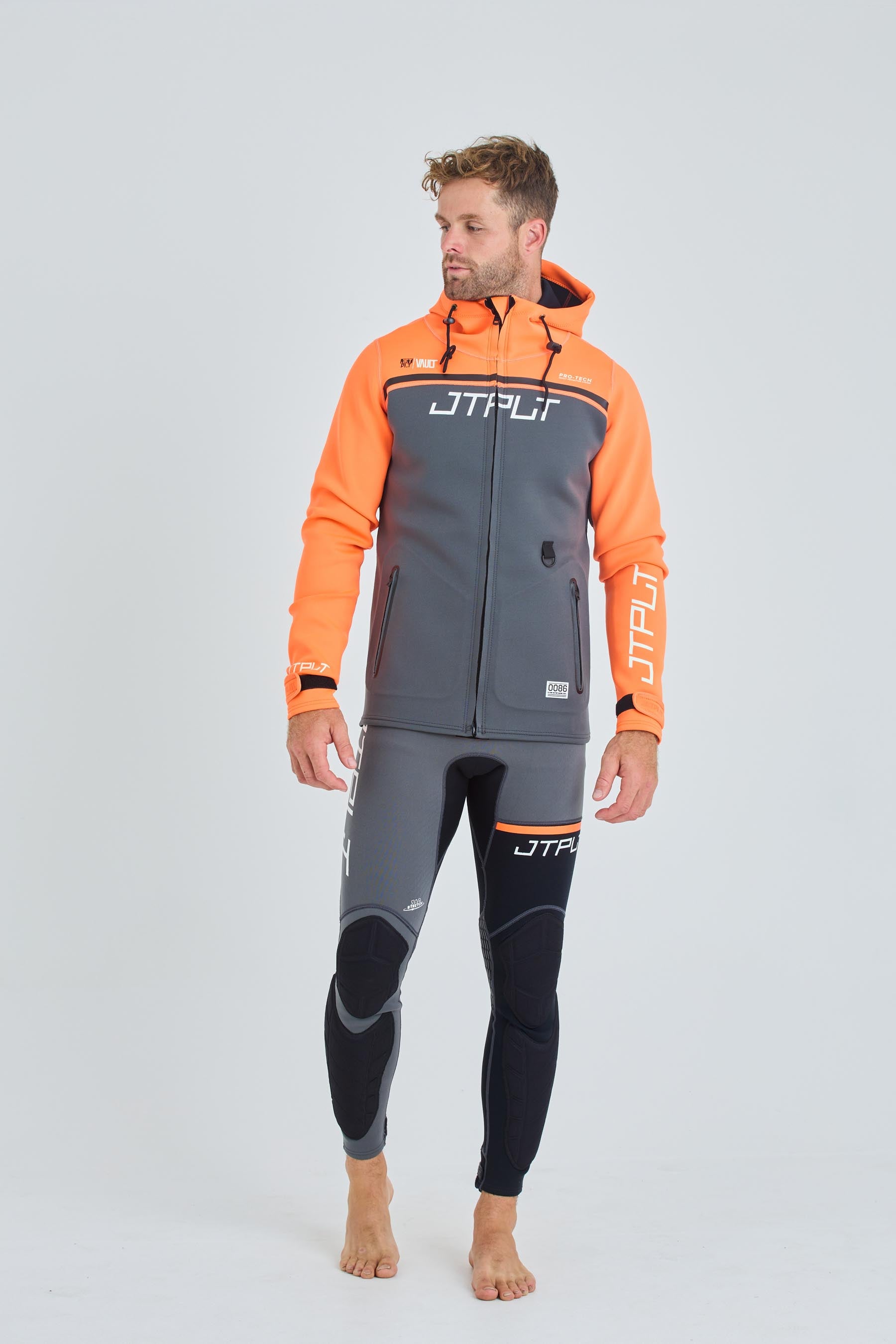
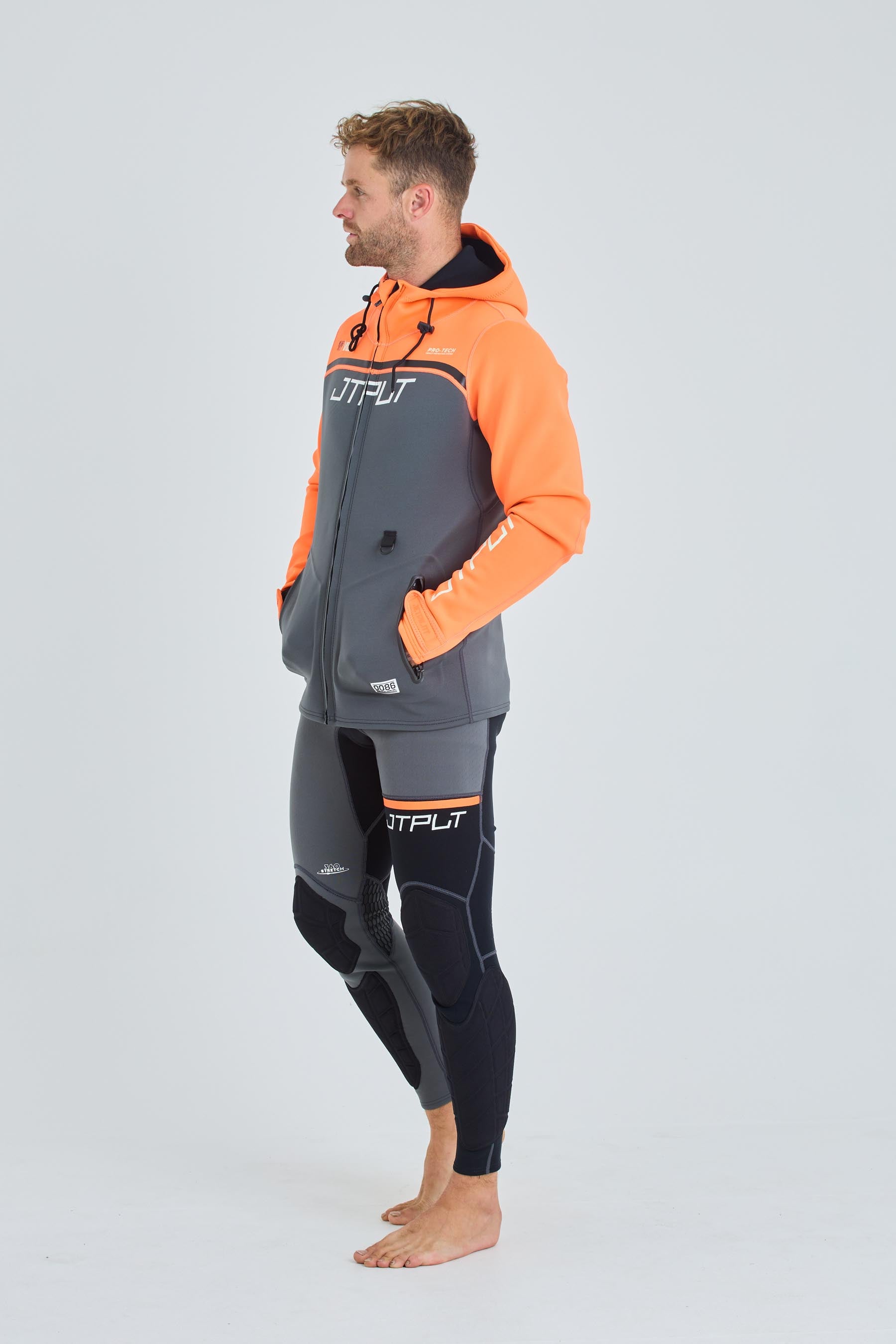
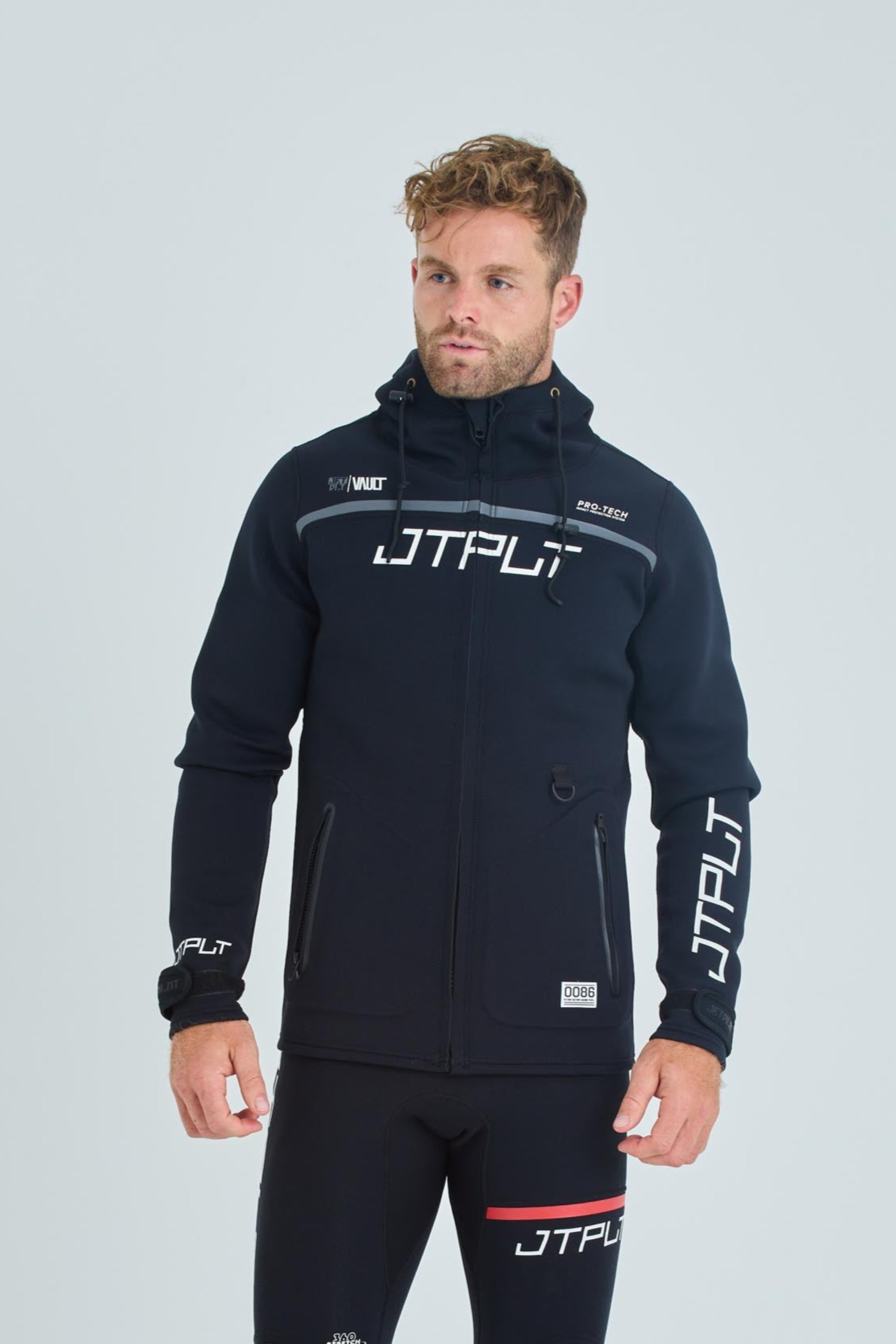
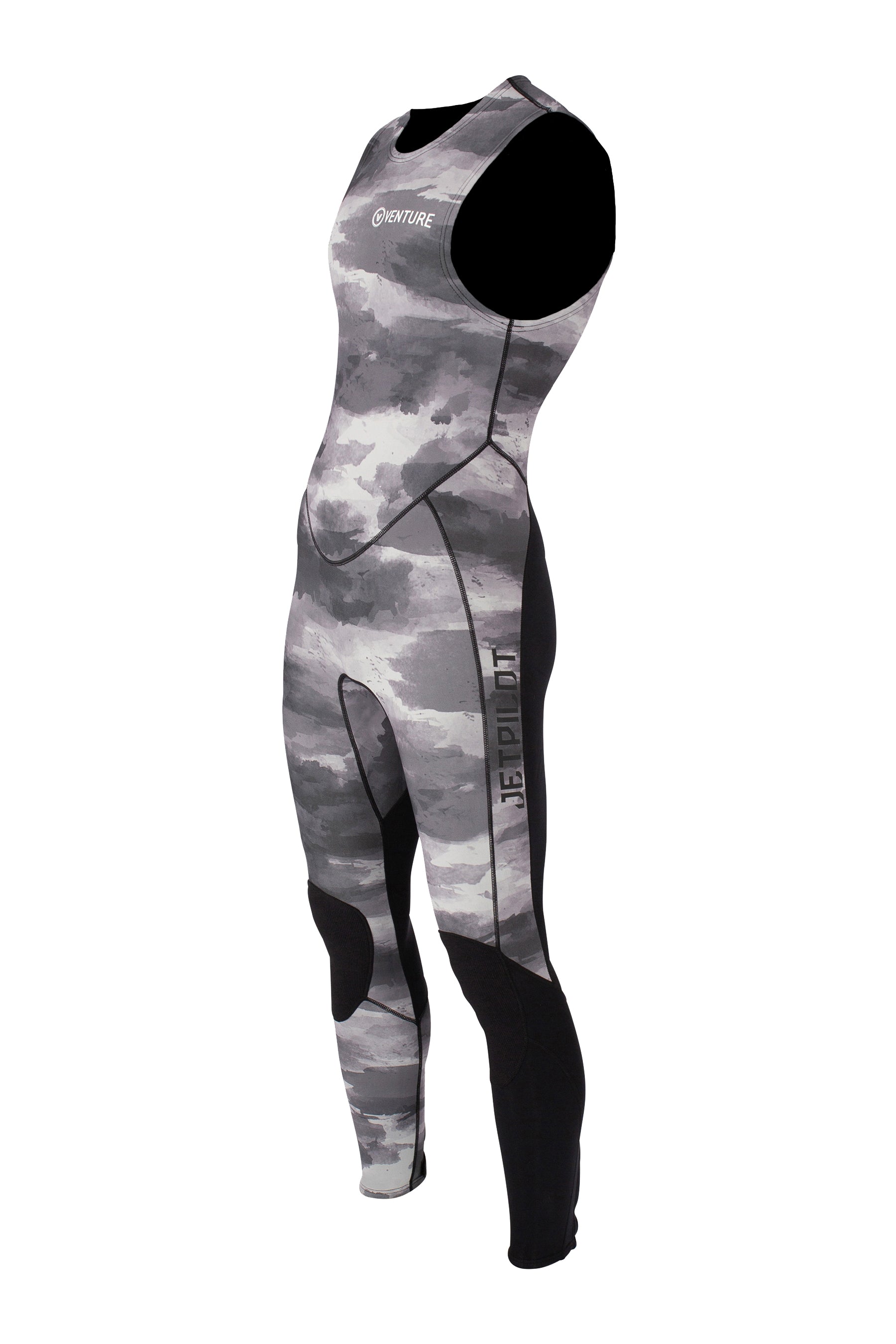
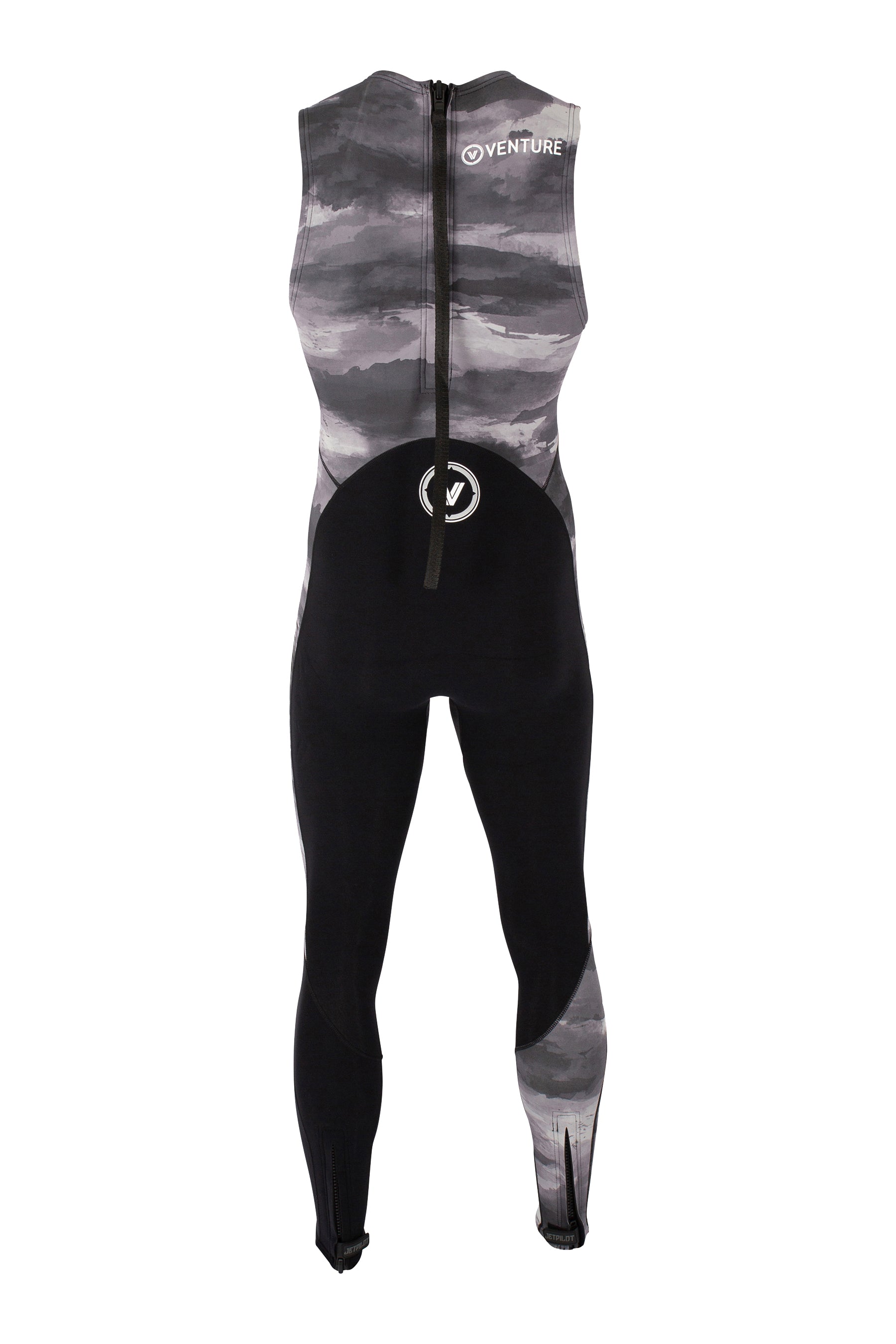
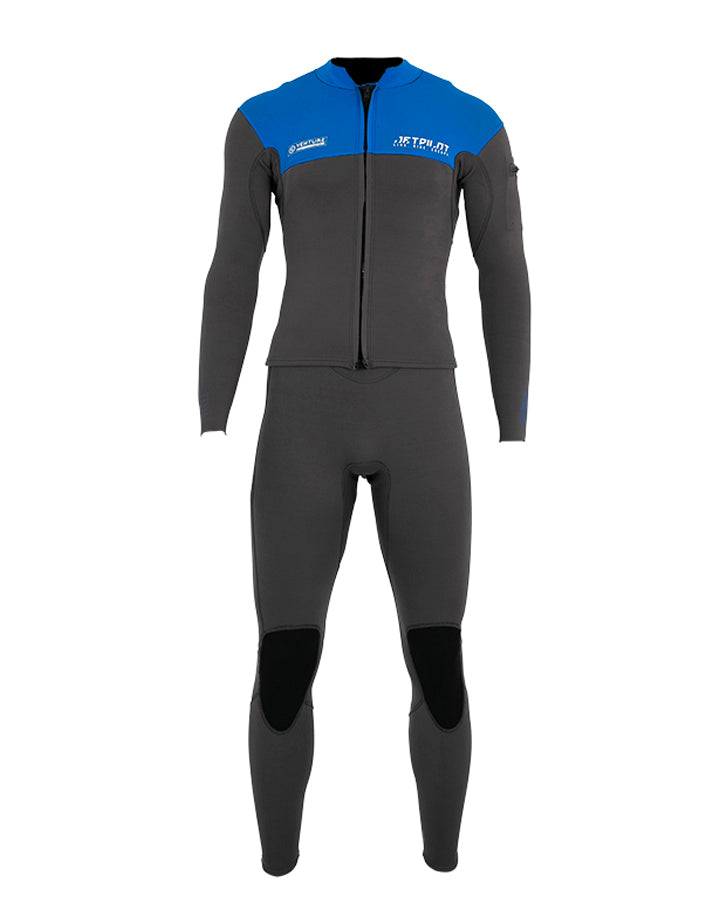
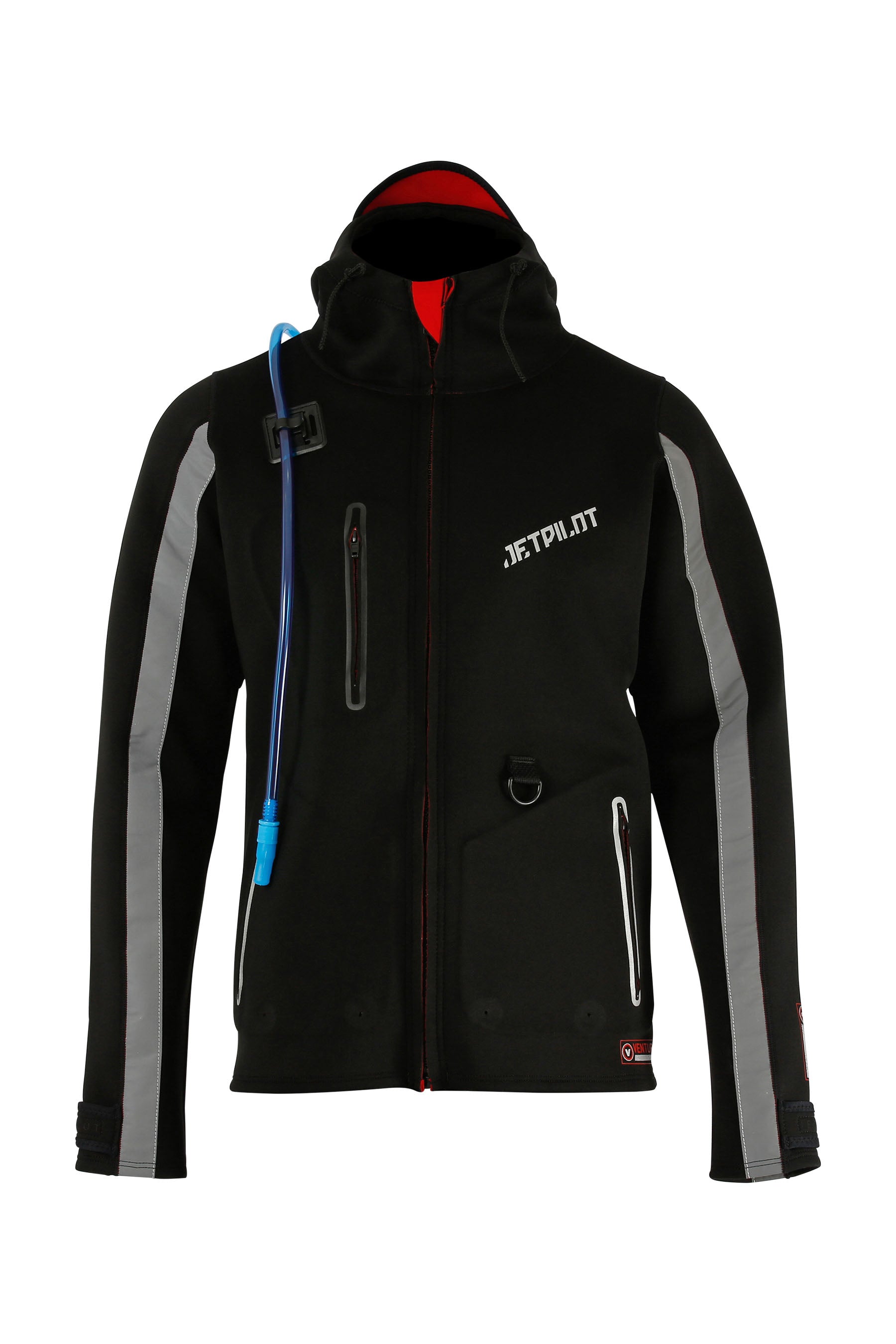
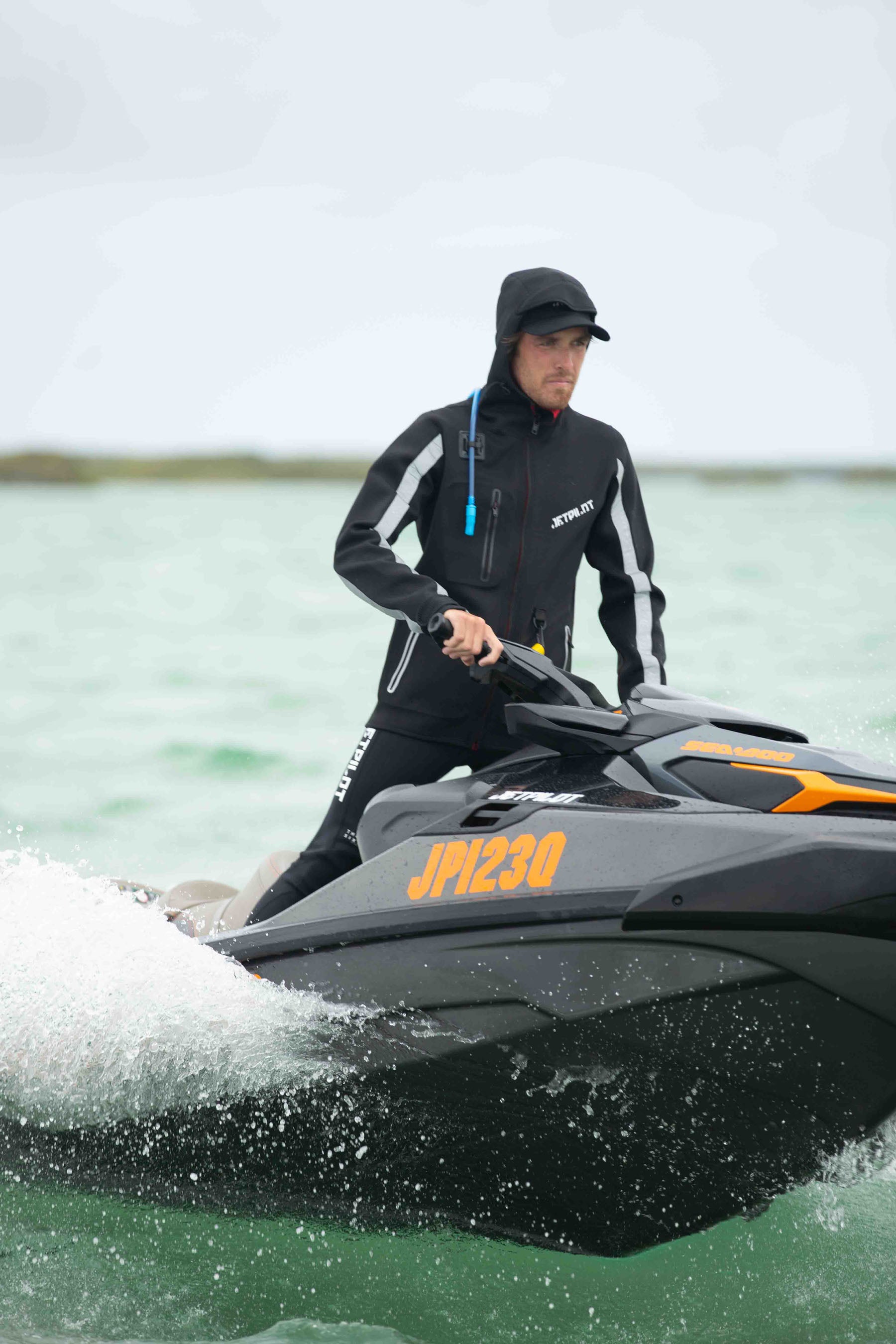
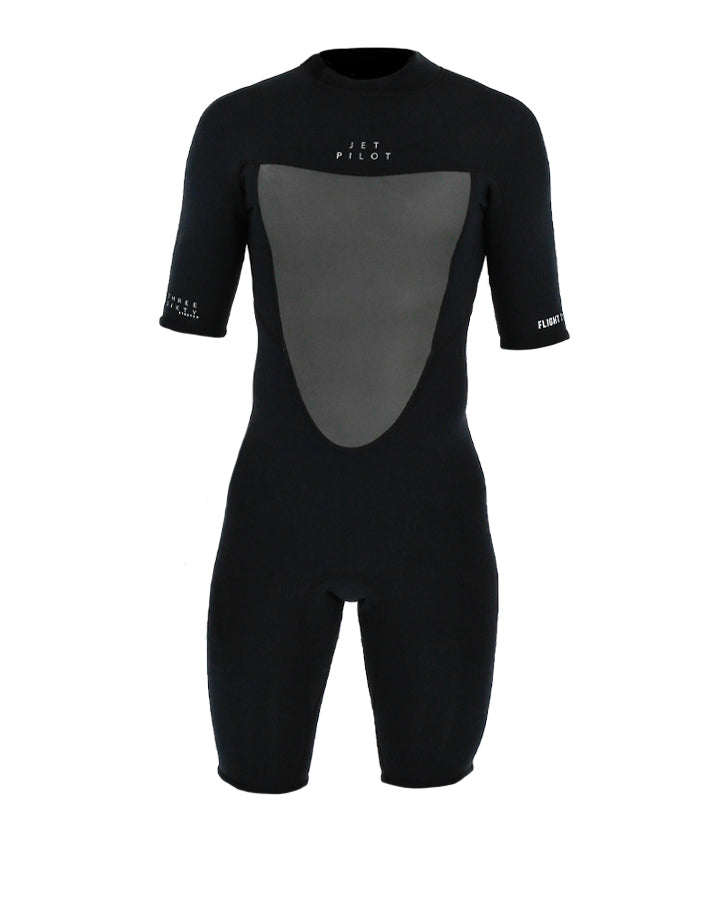
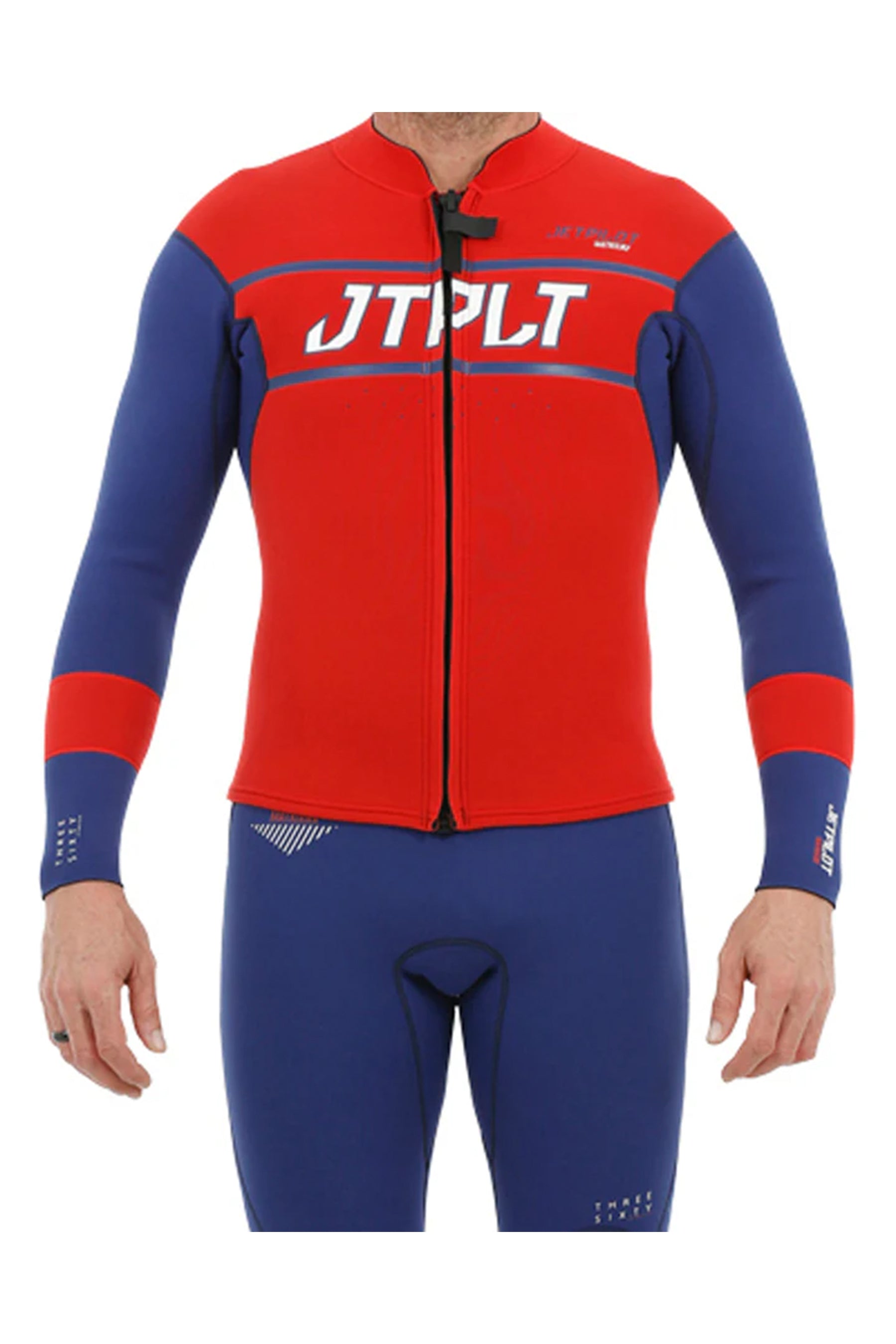
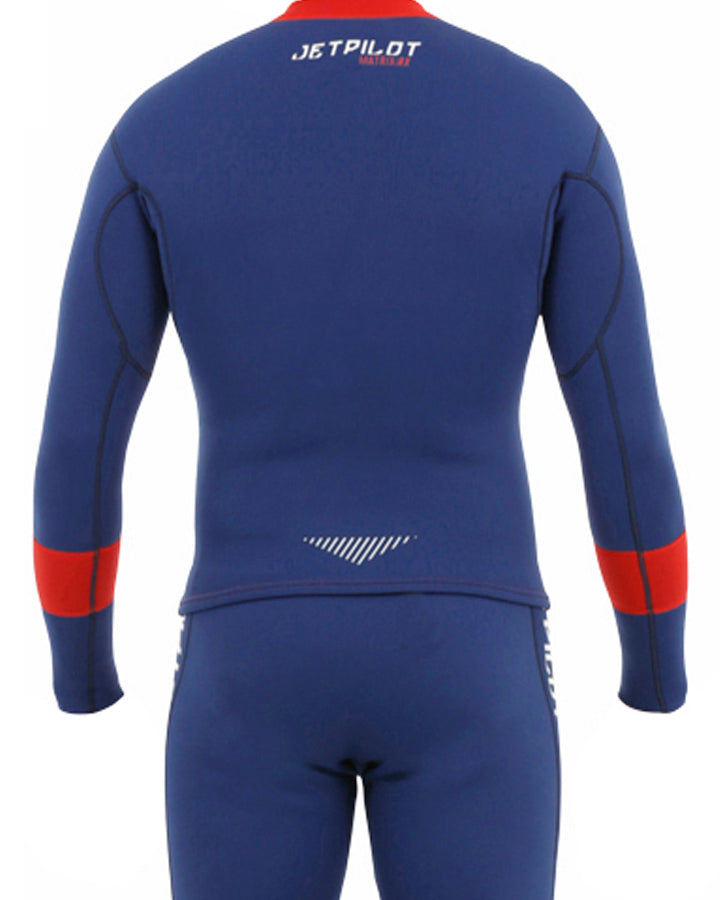
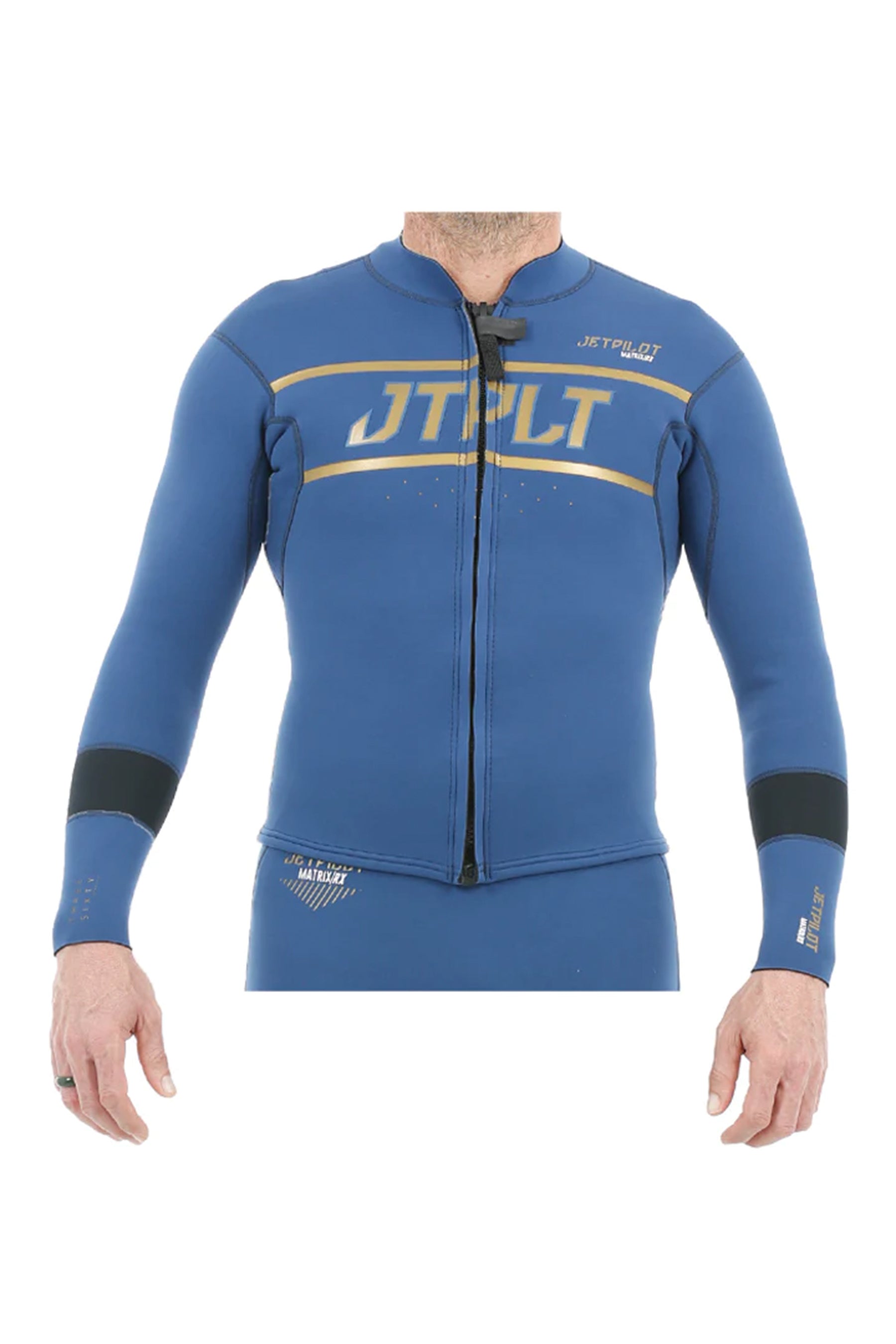
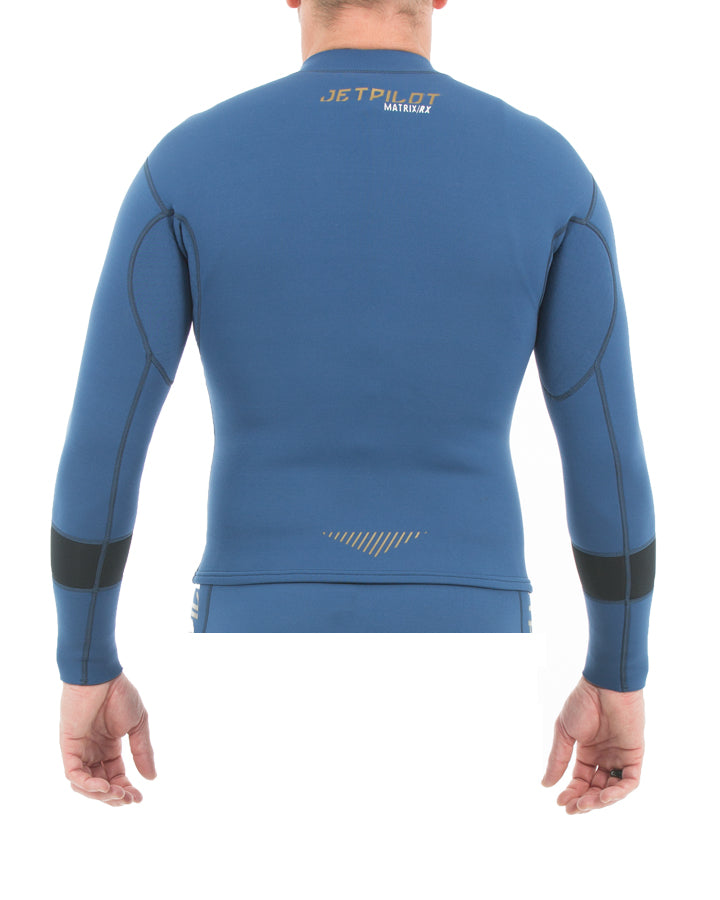
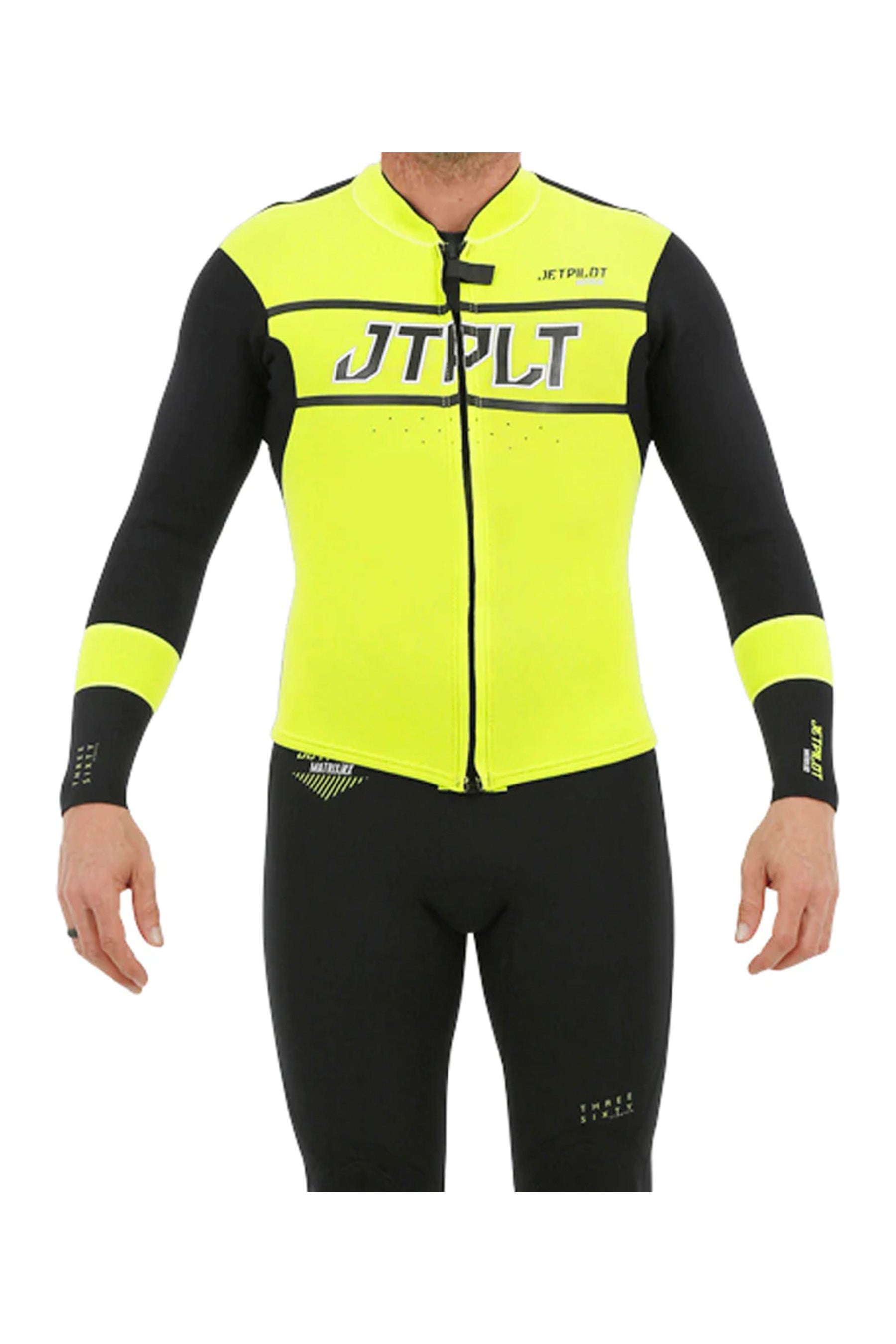
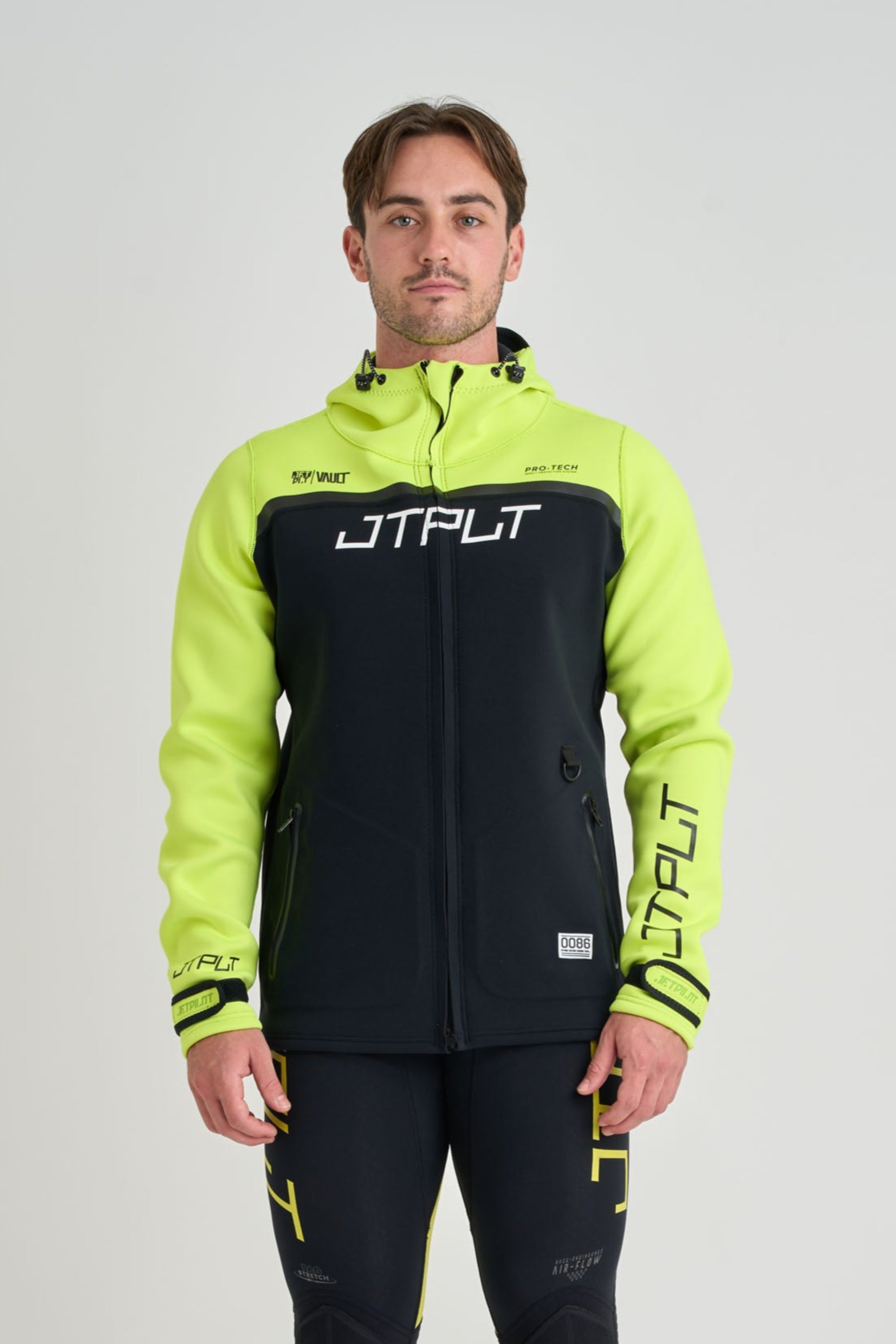
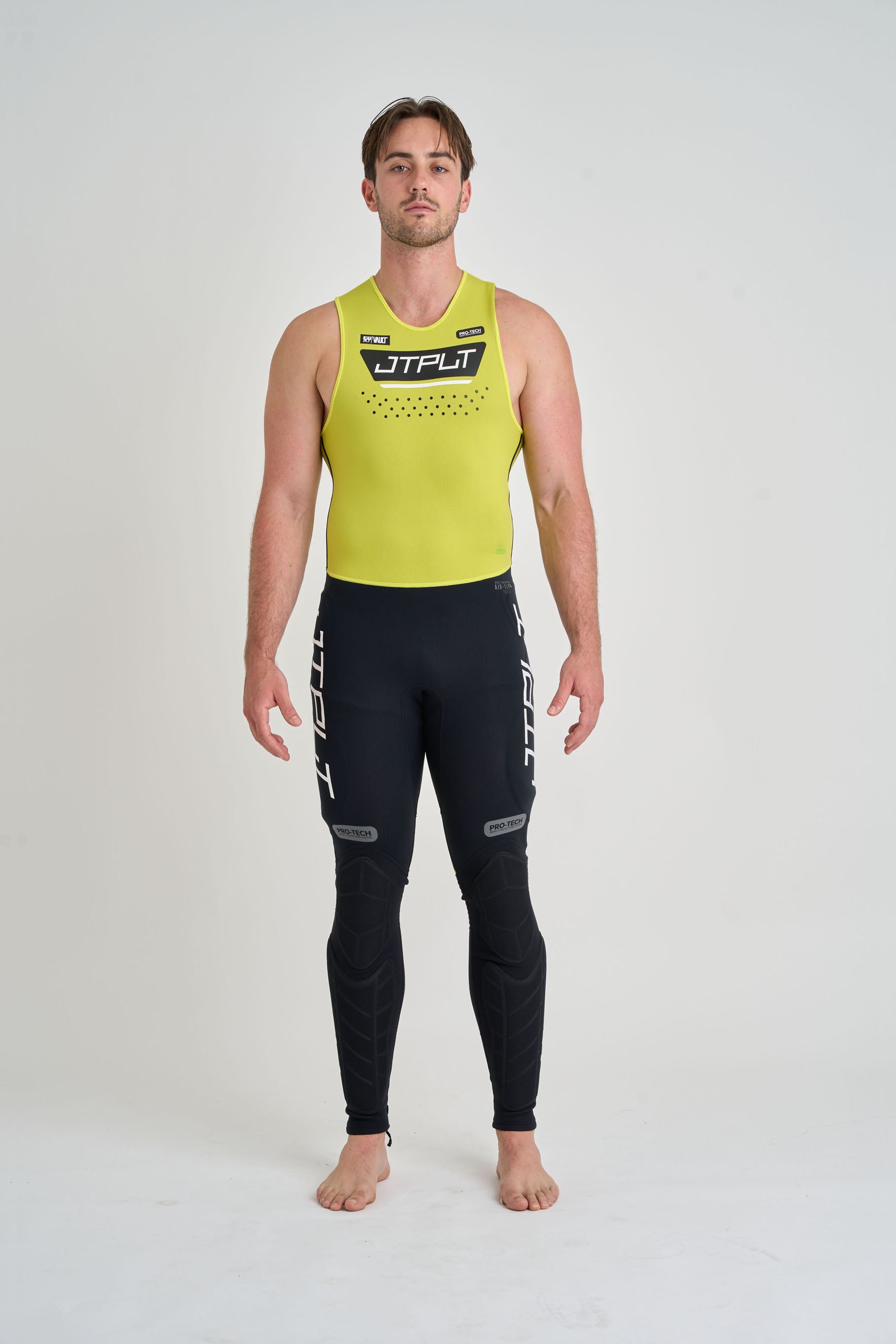
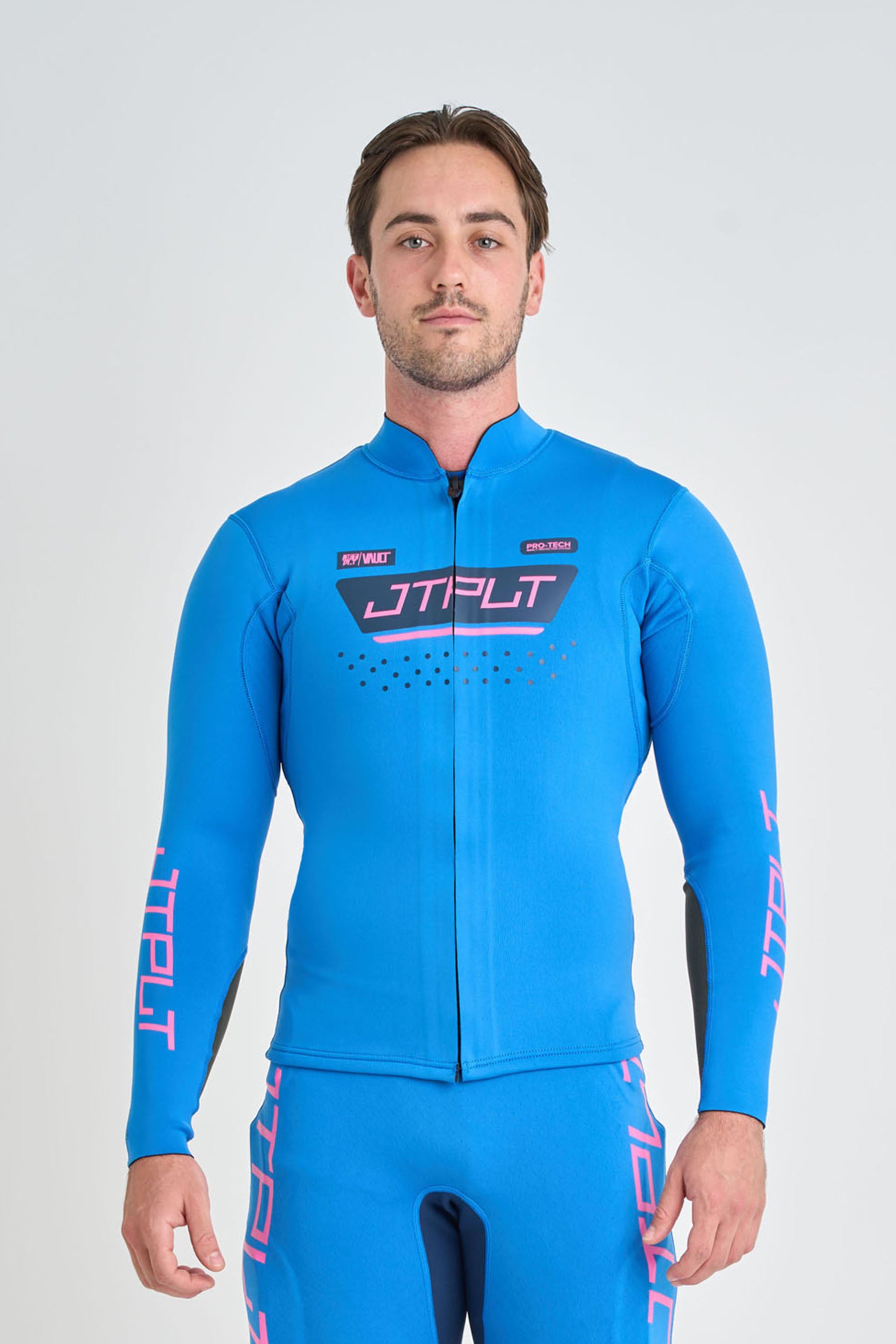
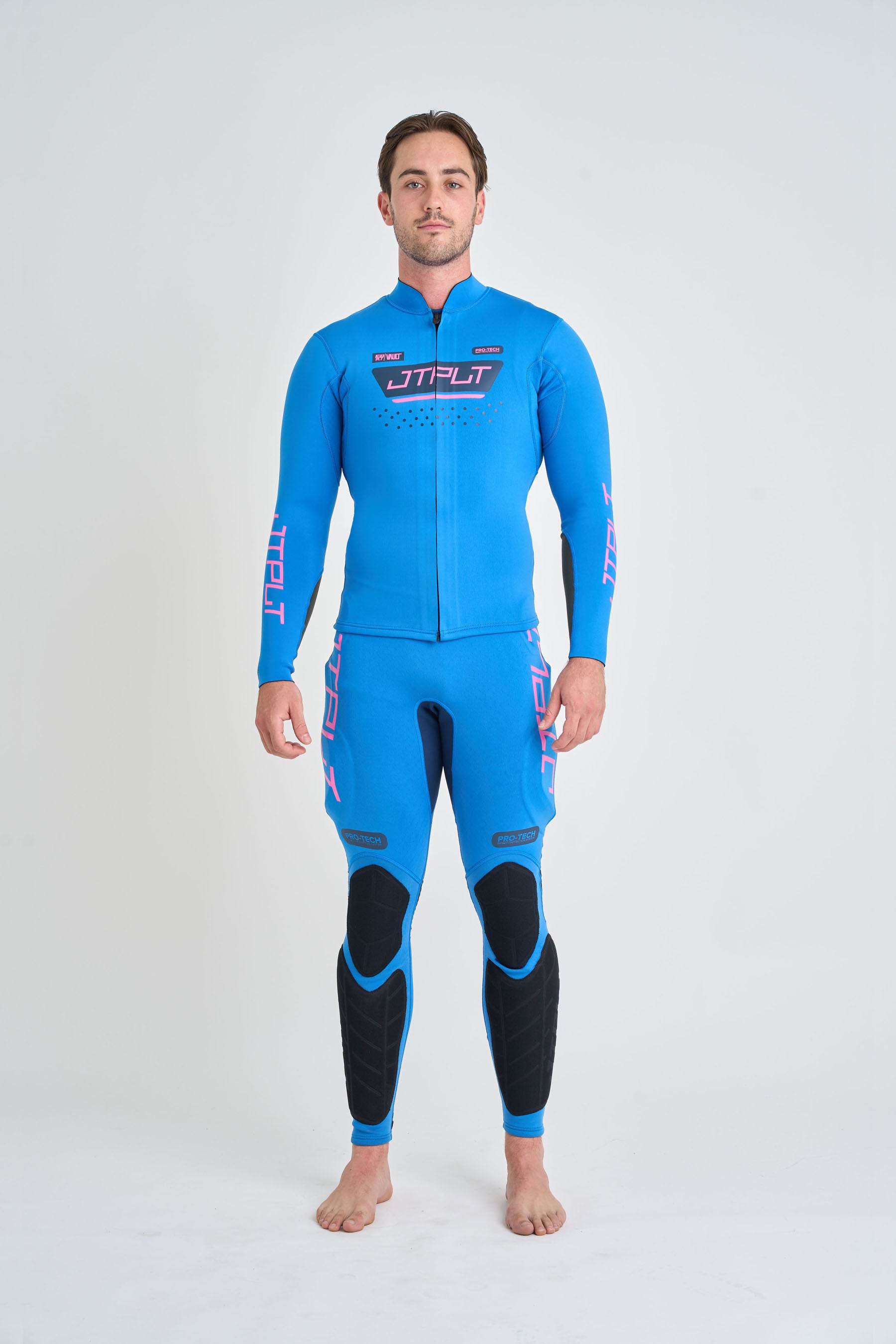
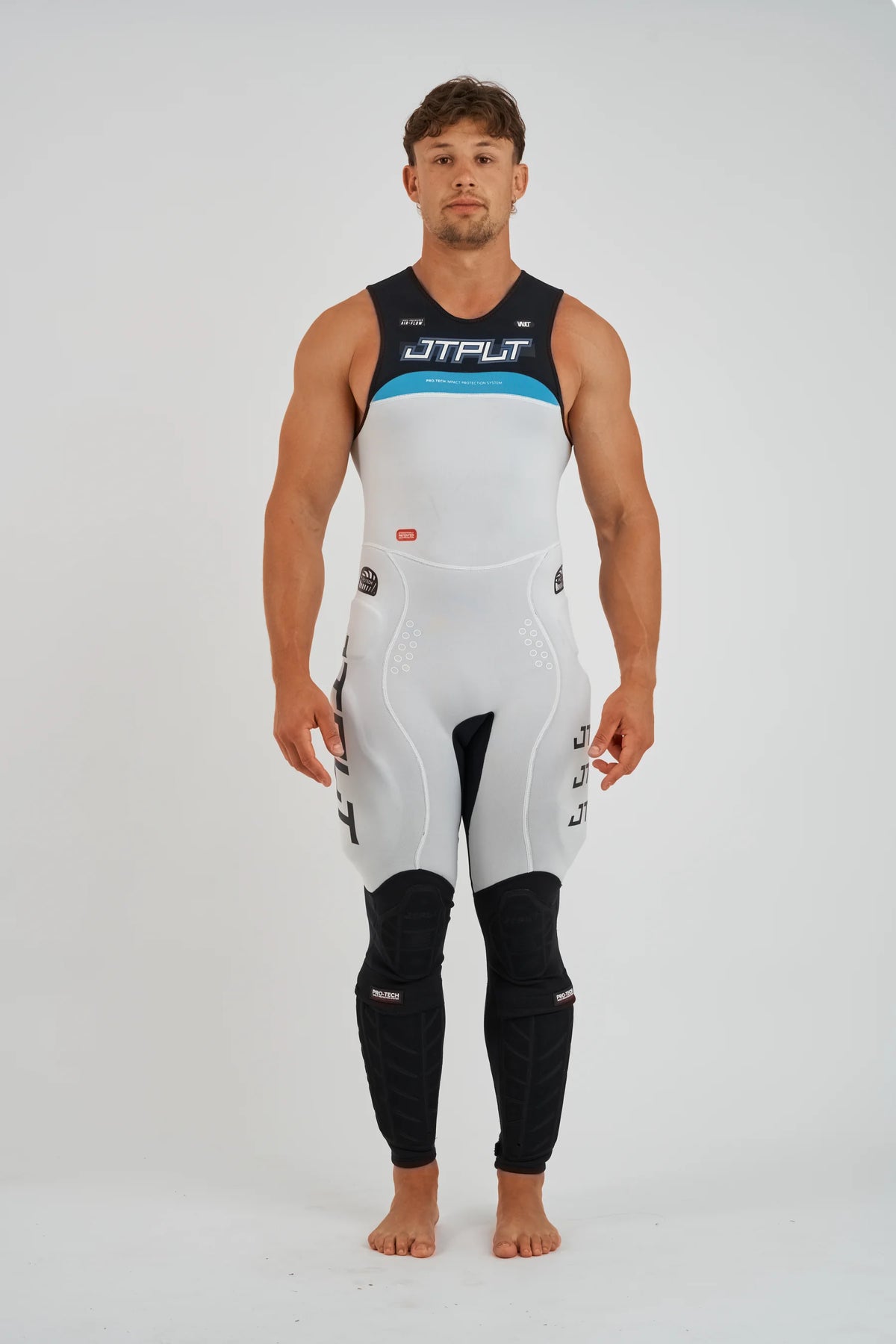
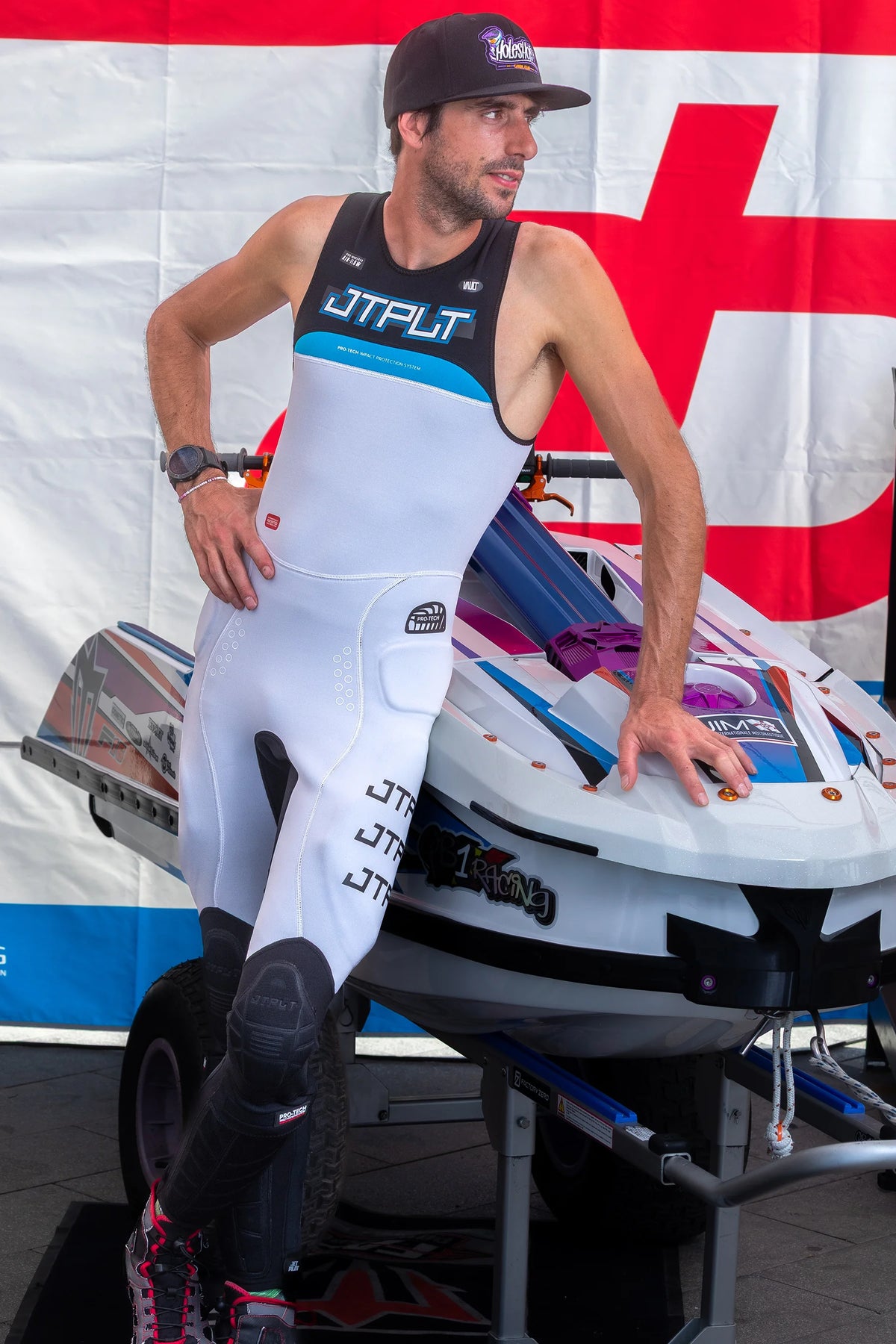
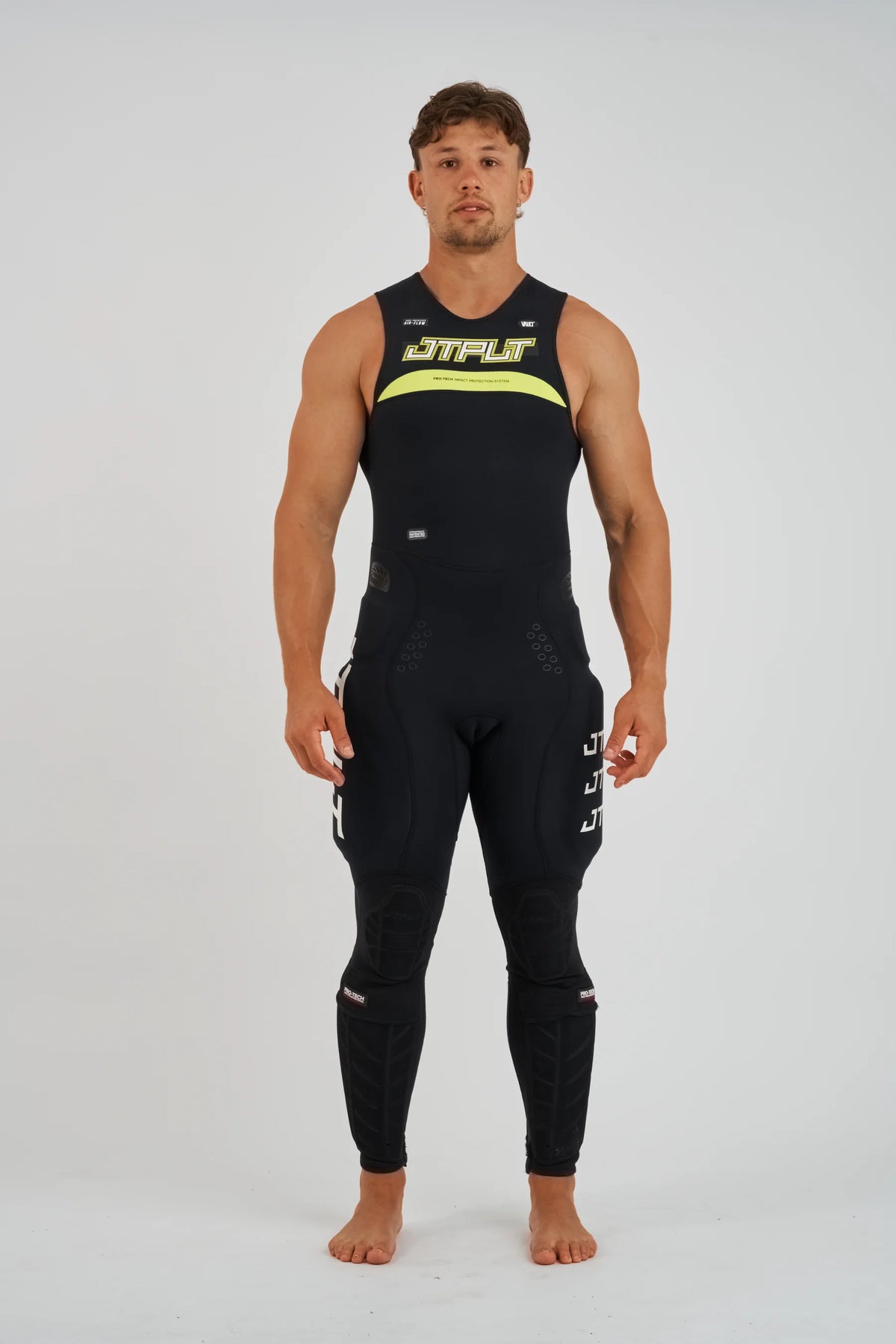
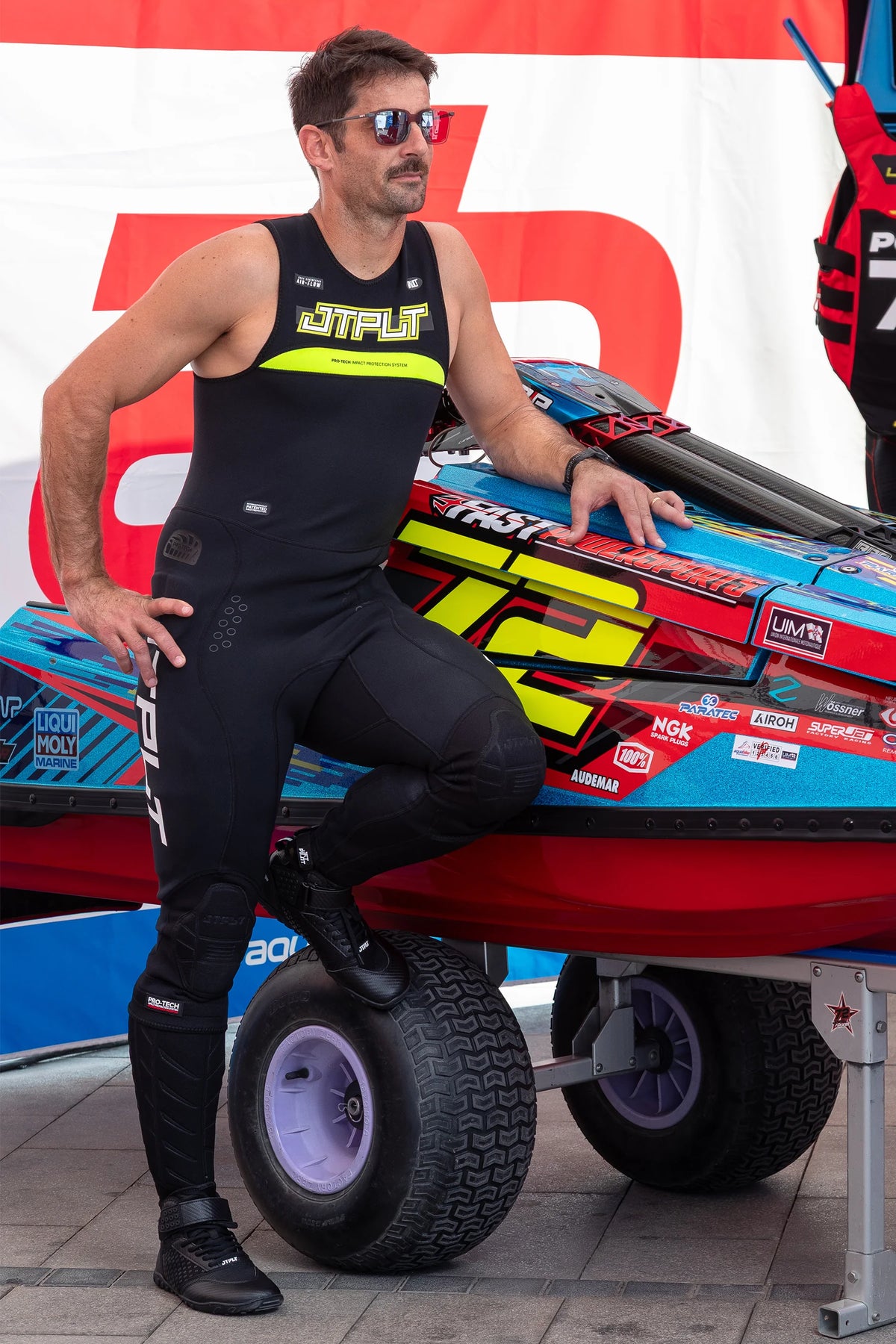
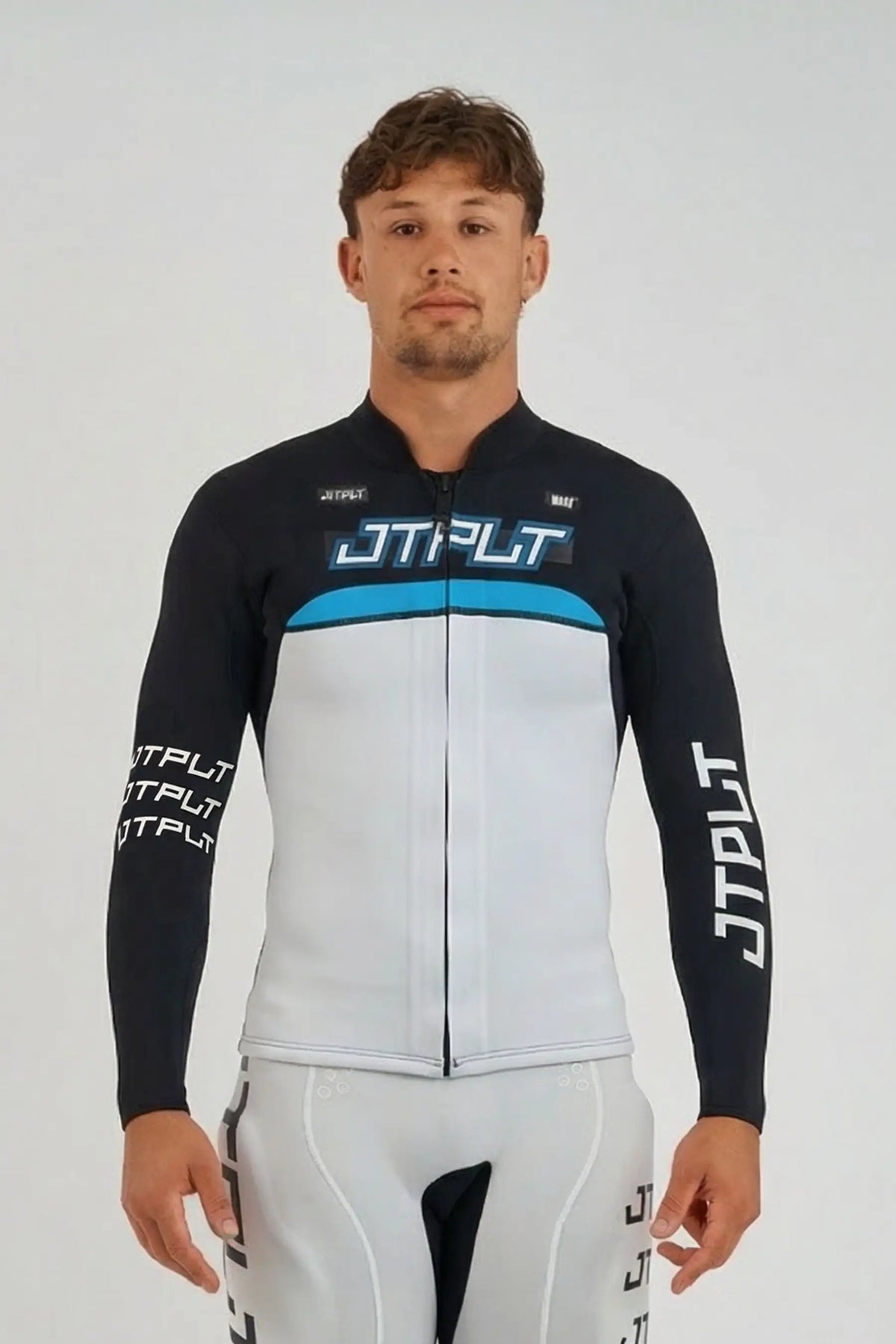
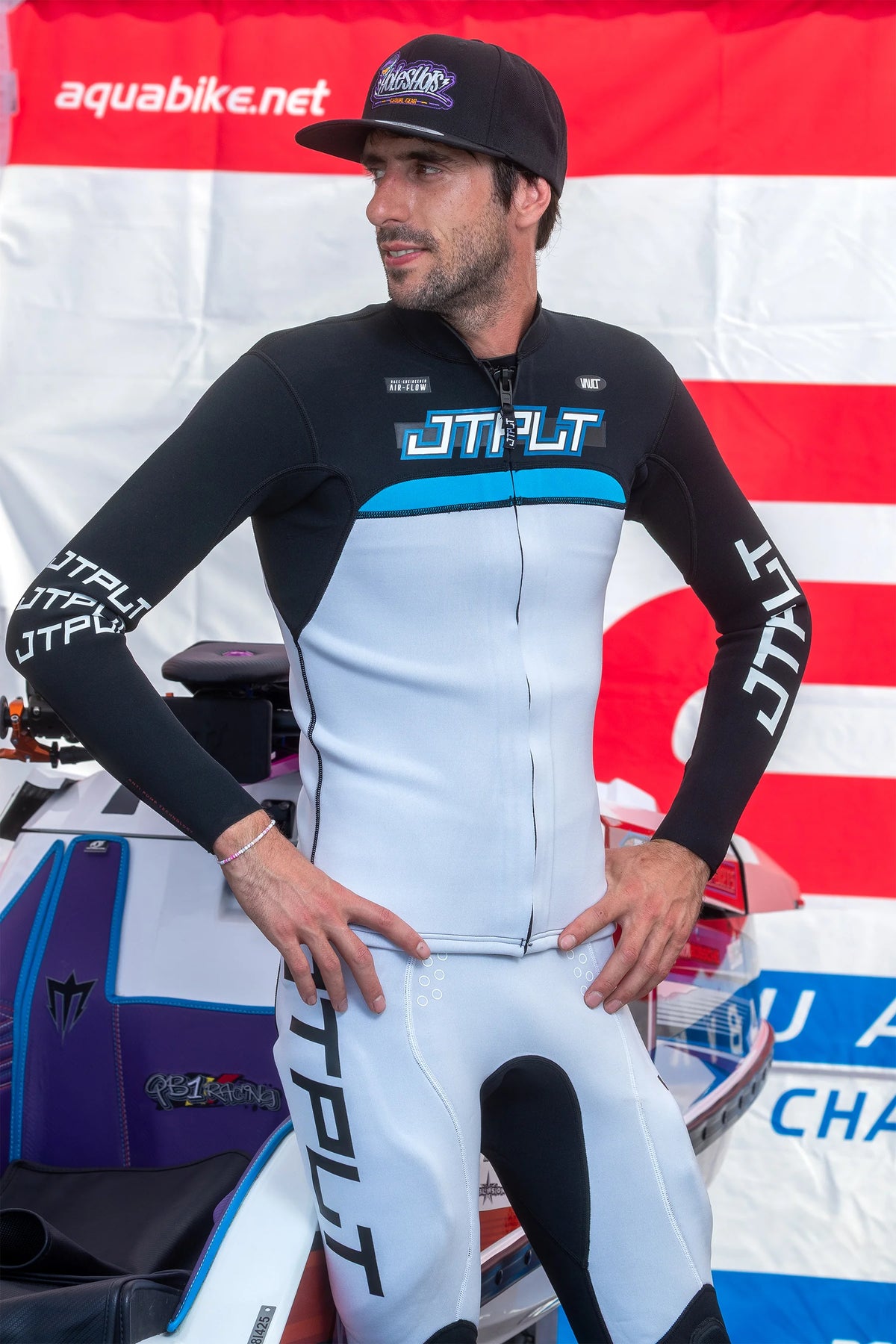
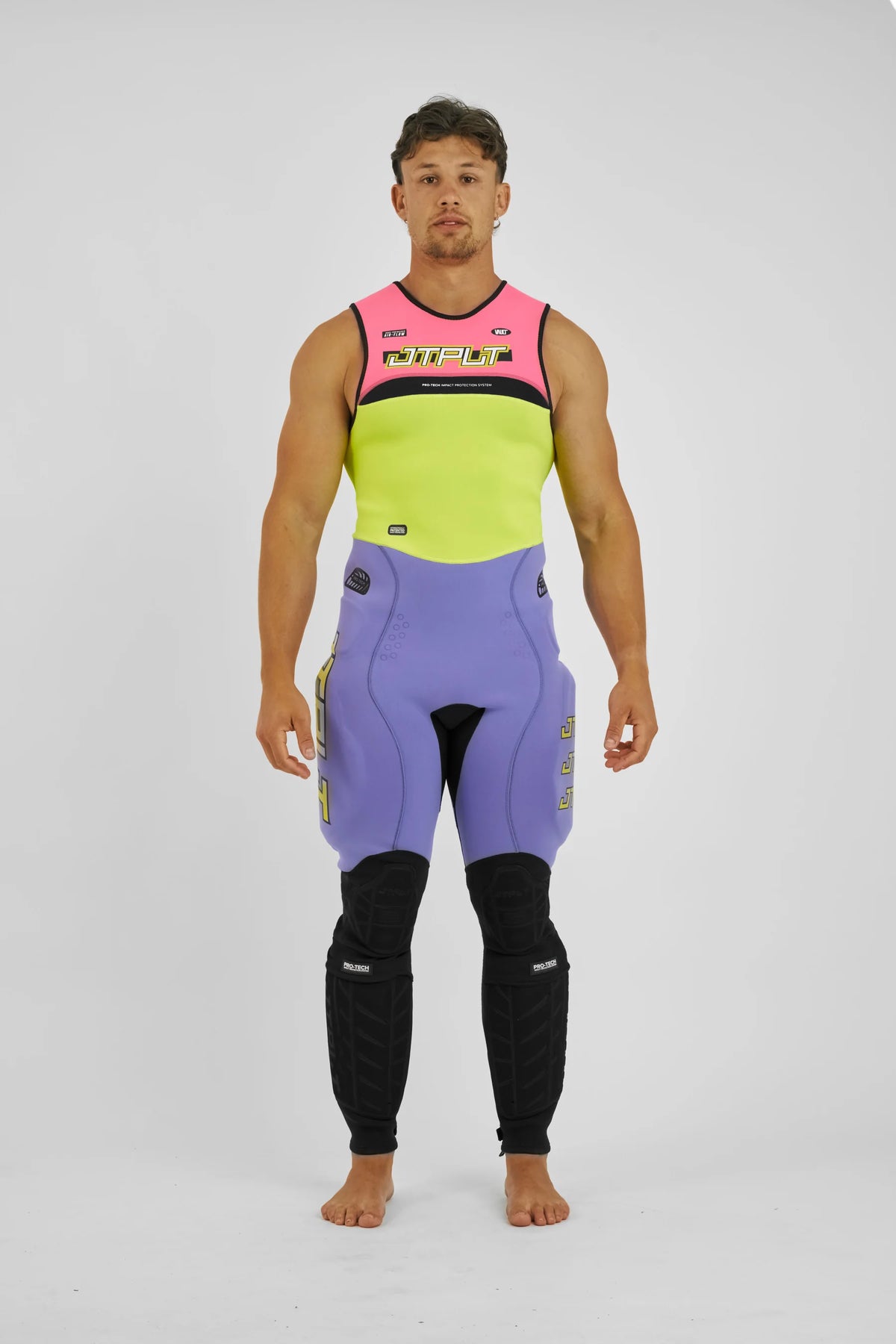
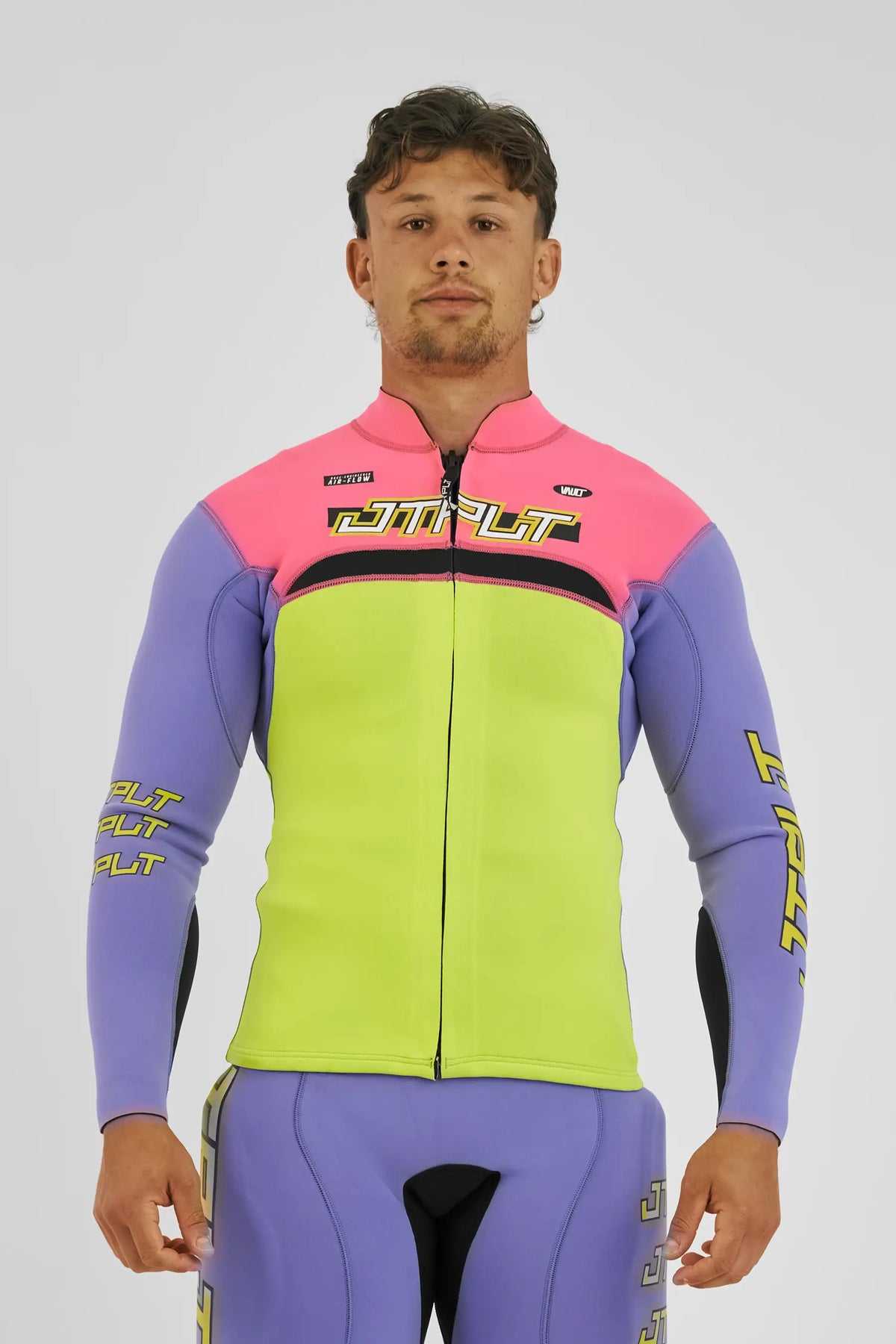
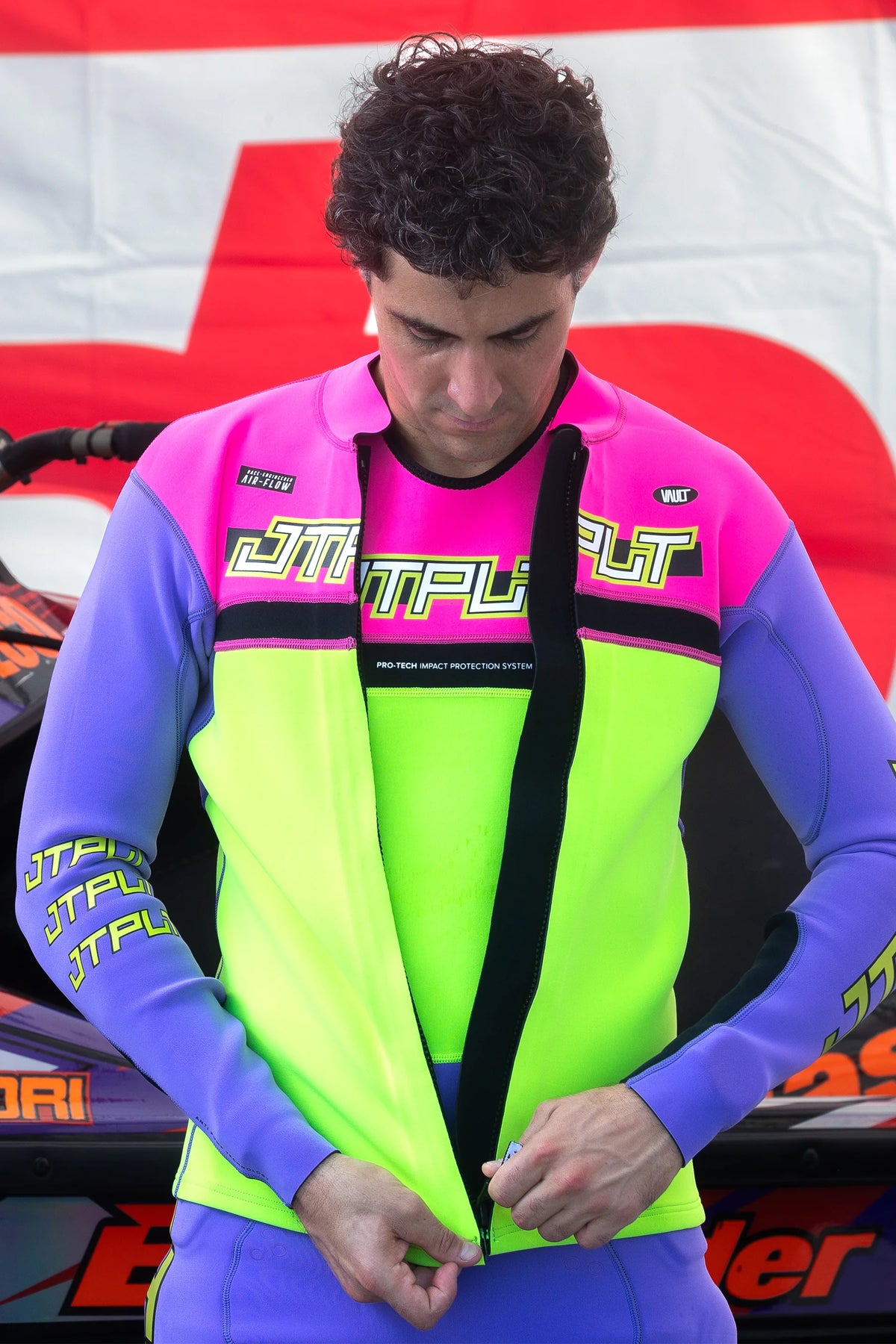
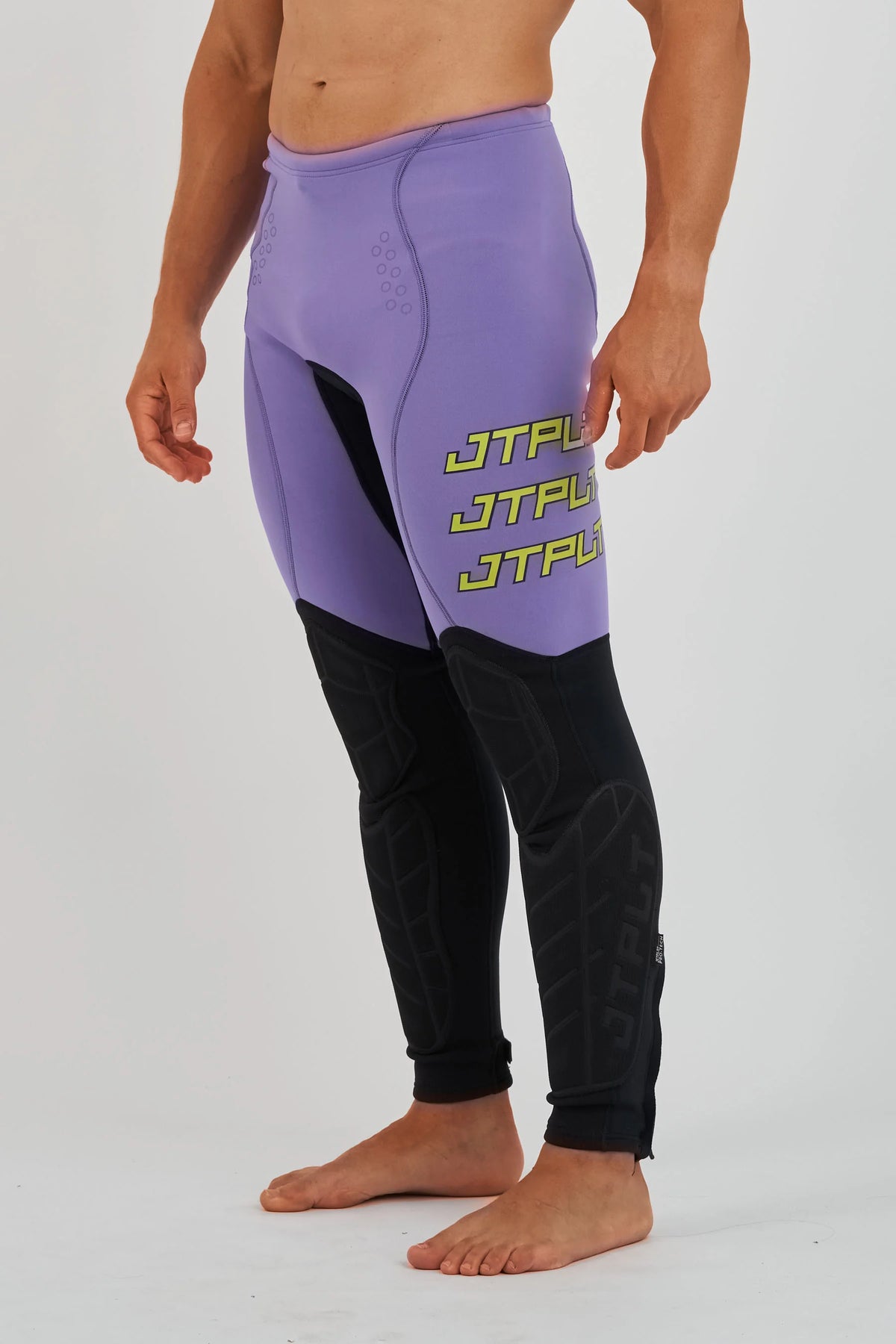
A john is the sleeveless, full-leg suit: warmth on the legs, arms free to ride. Cold dawnie, throw a race jacket over it. Glass-off at lunch, the jacket comes off and the john stays on. A hooded tour coat handles the run out and back when the wind gets up. Neo pants and jackets work as separates too, so you dial the layers to the conditions instead of sweating through a steamer in the arvo. When you want one piece, the Flight 2X2 back-zip springsuit covers warm water and the RX1 4X3 chest-zip steamer covers winter.
Race-bred construction
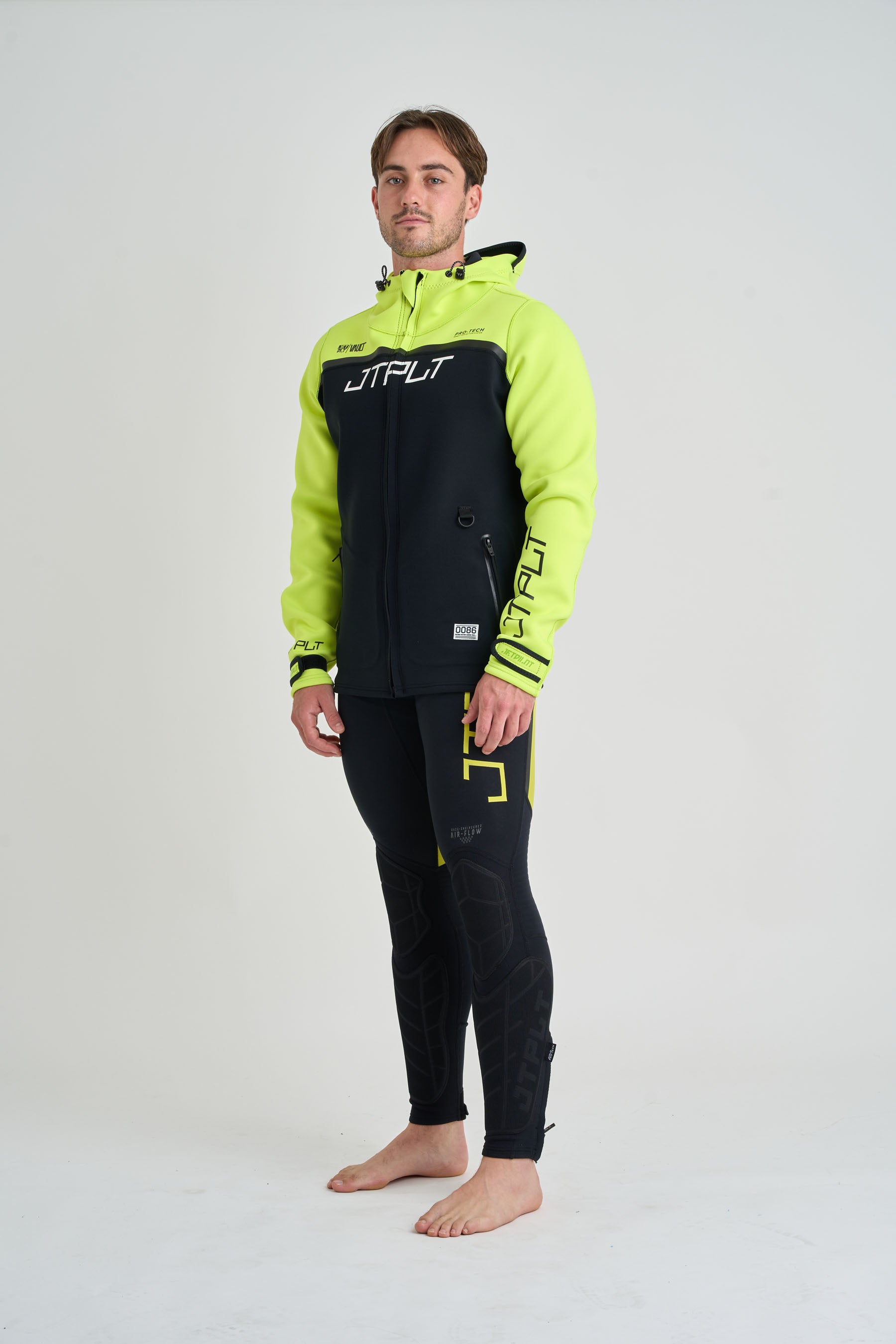
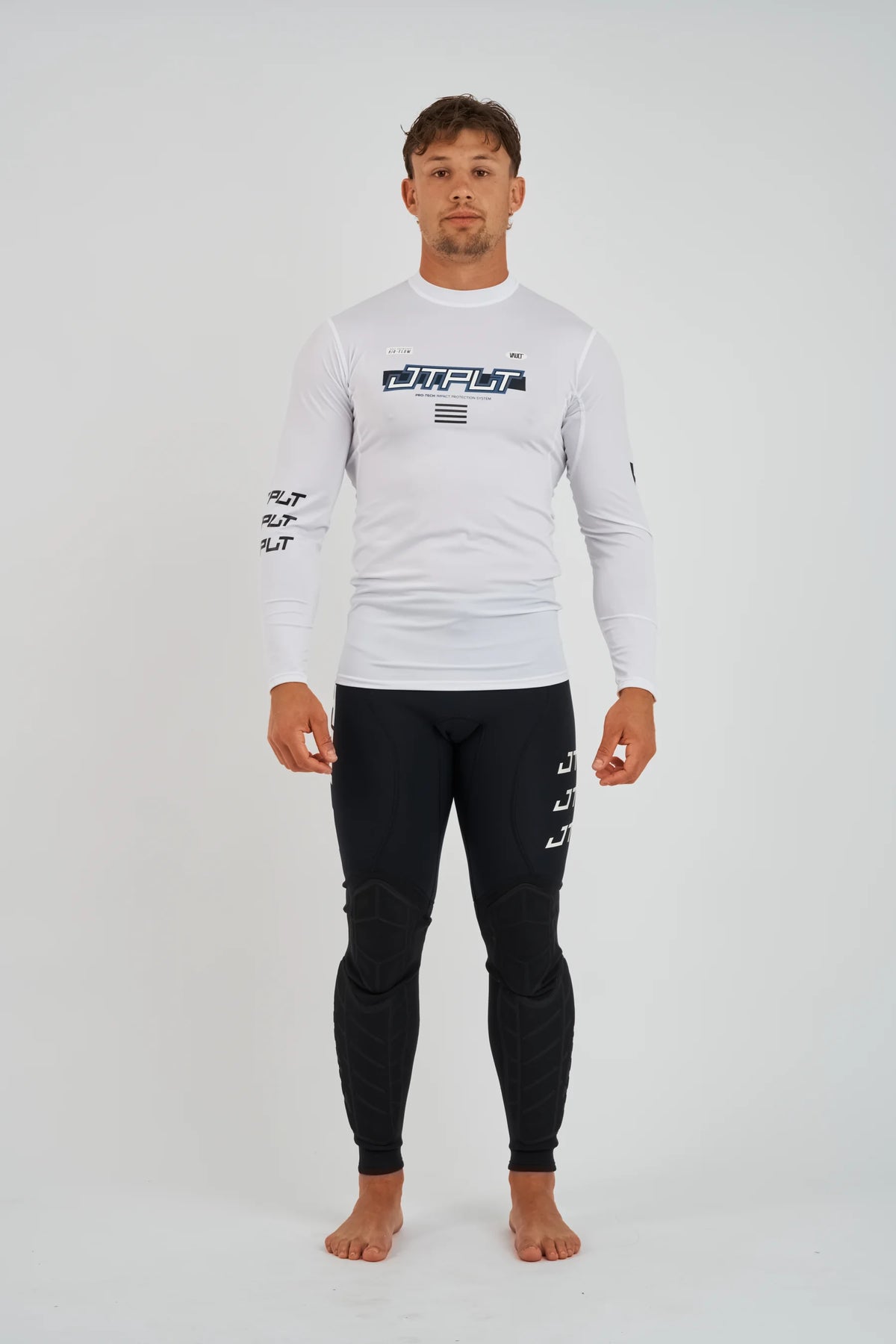
The Vault and RX Vault lines are Race Reimagined: 2mm 360 Stretch Limestone Neoprene, Jet-Loc seam construction, YKK zips, breathable flow panels, lower-leg zips and seamless seat panels, with EVA Pro-Tech knee and shin pads where a rider actually takes the hits and, on the Vault Race John, back protection approved to EN 1621-2. Venture johns, jackets and pants are the touring versions for the all-dayer. Every piece on the page runs YKK zips, because zips are where cheap suits die.
Fit is where the warmth is
Neoprene only works snug. Size to the size guide off a chest measurement, not up, not down and not off your tee size. No loose folds behind the knees or under the arms, full squat, arms overhead. Pads should sit on the knee and shin when you stand up on the ski; if they drift, the suit is too big, and water pooling in a fold is a suit that is not doing its job. Most styles run S to 2XL and a good part of the range goes to 3XL.
The vest goes over the top
A wetsuit is warmth and impact gear, not flotation. Over it goes an AS 4758 approved jet ski life jacket: Level 50S for the ski, the wake and the tube, or the high-vis Level 50 where your state requires it past smooth water. Size the vest with the john on and read the Australian life jacket regulations guide before you launch.
Tops live on mens wetsuit tops and jackets. The whole neoprene range, mens, womens and kids, is on wetsuits.