


Australian Life Jacket Regulations: Navigating Rules for PWC & Boating

Australian Life Jacket Regulations: Navigating Rules for PWC & Boating

Disclaimer: It is important to note, this is just a guide; if ever in doubt, always reference your local waterway authorities.

Life Jackets in Australia: More Than Just a Good Idea

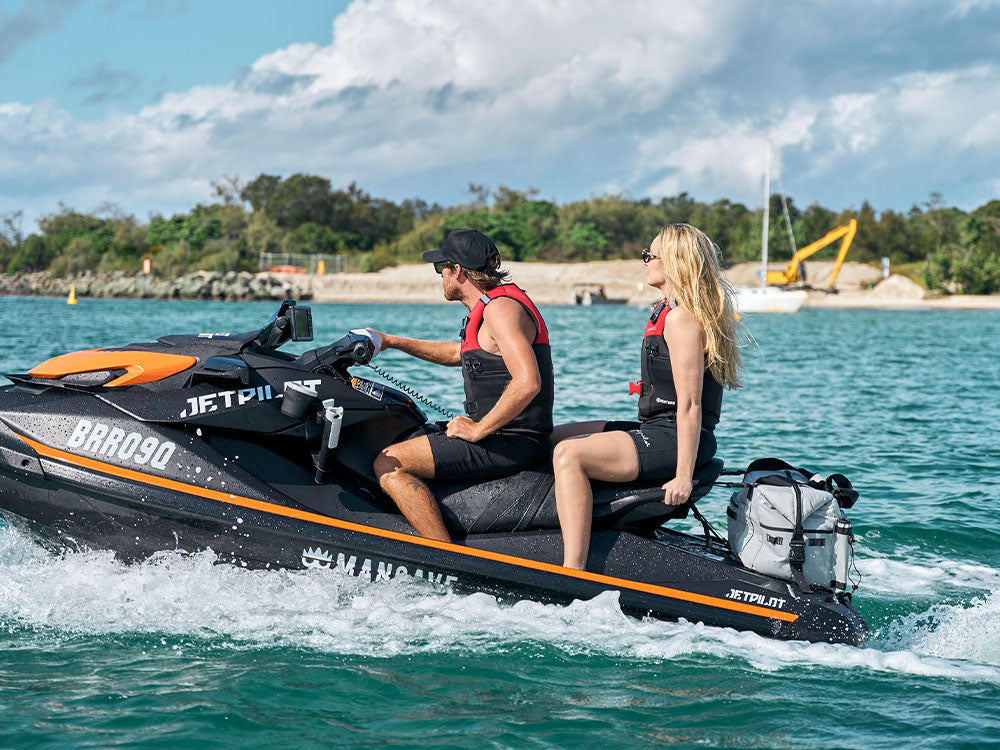
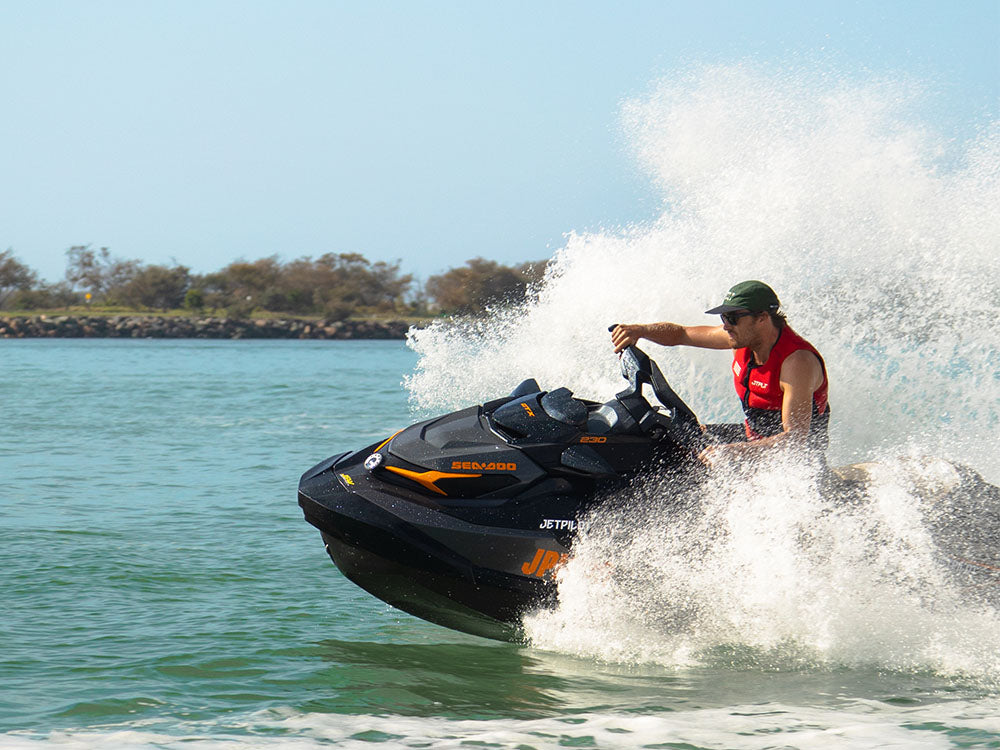
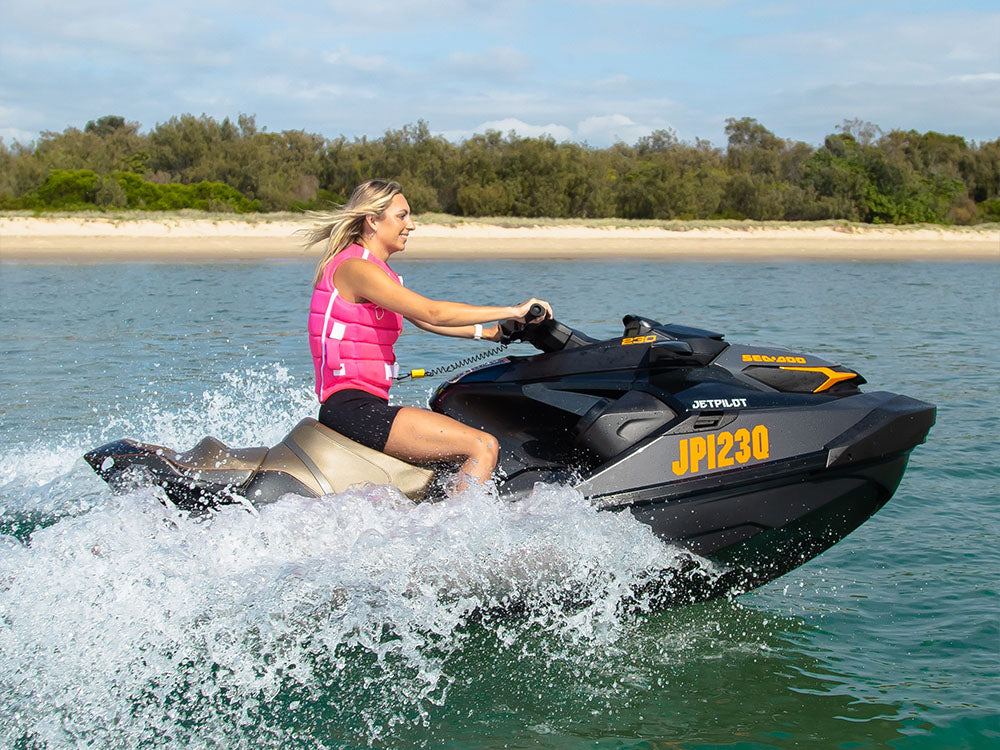
When it comes to hitting the water in Australia – whether you’re carving it up on a jet ski, towing the kids on a tube, or cruising the coast – wearing a life jacket isn’t just smart, it’s the law. Everyone on board must wear a lifejacket when operating beyond 400 metres from shore, and personal watercraft users are required to wear lifejackets at all times. Life jackets, or Personal Flotation Devices (PFDs), are the single most important piece of safety gear on any watercraft. No ifs, no buts.

Many boaters are at risk when not wearing proper safety gear, which is why these regulations are so crucial.

Maritime authorities around the country are crystal clear: chucking on a PFD can be the difference between getting home safe or not getting home at all. Stats don’t lie – a huge number of boating deaths in Aussie waters involve people who weren’t wearing a life jacket. It’s brutal, but it’s the truth. That’s why life jacket regulations in Australia are designed to keep you – and your mates – alive when things go sideways.

At Jetpilot, we’re all about helping riders protect themselves while living life to the fullest. That’s why we put serious tech and innovation into our life jackets, making sure they meet all Australian standards and actually fit your ride style.

Skip ahead:

Understanding the Rulebook: National vs. State Life Jacket Laws

Here’s where it gets a little technical, but stick with us – it’ll save you a headache (and maybe a fine).

In Australia, life jacket rules operate on two levels:

  • National Standards: These cover the design and build quality of life jackets. The big one is Australian Standard AS 4758 – if your vest doesn’t meet this, it’s not legal for use. The Australian Maritime Safety Authority (AMSA) sets the safety vibe nationwide, mainly focusing on commercial boats, but their influence keeps recreational gear standards high too.
  • State and Territory Laws: This is where things get spicy. Each state and territory has its own rules about when you have to wear a life jacket – and it’s different depending on where you’re riding. Agencies like Maritime Safety Queensland, Transport for NSW, and Safe Transport Victoria set the specific PFD wearing rules for their waters.

That means it’s not just about owning a certified jacket – you’ve also gotta know the local life jacket laws where you’re riding. What’s legal on the Gold Coast might not fly in Victoria. Plus, rules can change based on stuff like vessel size, whether you’re offshore or inland, rider age, and even weather conditions.

Always follow the manufacturer's instructions to ensure your life jacket meets all safety standards and regulations.

If you’re towing your jet ski interstate or cruising near state borders, heads up: one size doesn’t fit all. Knowing the PWC life jacket regulations for each spot keeps your day fun, safe, and drama-free. Understanding the specific lifejacket requirements for different watercraft and conditions is crucial to ensure compliance and safety.

At Jetpilot, we design life jackets for jet skiing, boating, and watersports that not only meet tough Australian Standards but are built for performance and comfort.
Depending on your state’s regulations a L50S PFD is for use in smooth waters and best for wakeboarding, water skiing, tubing and riding for inland waterways. A L50 PFD is for use in smooth or partially smooth waters which includes the open water within 2 nautical miles from land. Check out our full range of certified Australian life jackets here (Please check with your local waterway authorities for the most up-to-date information on your state's life jacket regulations, as this information is intended as a general guide only). 


Know Your Vest: Aussie Life Jacket Standards and Types Explained

When it comes to staying legal and safe on the water, not all life jackets are created equal. Here in Australia, we’ve got one of the most detailed and safety-focused systems in the world, and knowing your PFD levels is key to choosing the right gear — and staying out of strife.

At Jetpilot, we’re all about making sure your kit doesn’t just look the goods but keeps you compliant and protected wherever you’re riding.

Life Jacket Levels: What It All Means (Level 50S, 50, 100, 150, 275)

Under the Australian Standard AS 4758, life jackets are broken down by ‘Level’ — and yep, that number matters. It’s all about how much buoyancy (float power) the jacket gives you and where it’s designed to be used.

  • Level 50S (Special Purpose): Best for smooth waters like lakes and rivers where rescue’s close. No high-vis colour rules mean you get sleeker styles made for jet skiing, wakeboarding and waterskiing. (This is what the old “Type 3” PFDs used to be.)
  • Level 50: Similar buoyancy to 50S but must be high-vis (think bright red, yellow, or orange). Made for smooth or partially smooth waters — perfect for PWC riders towing around estuaries, bays or the open water within 2 nautical miles from land.
  • Level 100: Designed for open waters. These babies add head support to help turn you face-up if you’re unconscious — must be high-vis too. These lifejackets are designed to turn the wearer to a face up position, which is crucial for safety in open waters. Think coastal runs, bigger lakes, and riskier zones.
  • Level 150: Designed for enclosed or open waters, keeping the head face-up and above water. Often used for more challenging conditions.
  • Level 275: Designed for offshore and rough waters. These lifejackets provide extreme buoyancy and are often used with heavy clothing or gear, ensuring safety in the most demanding conditions.

And yep, you might also hear terms like SOLAS and Coastal jackets — these are top-grade commercial standards, ideal for hardcore offshore and rescue work.

AS 4758: The Standard You Need to Know

AS 4758 is the new benchmark for Aussie life jackets, replacing the old Type 1, 2, and 3 standards. Introduced around 2010, it’s all about better design, better buoyancy, and stricter manufacturing checks.

Each state’s moving at their own pace to phase out the old standards:

  • Queensland: AS 4758 required by 1 September 2025.
  • South Australia: No more old-standard jackets from 1 January 2025.
  • Tasmania: Already made the switch in 2021.
  • Victoria: Allowing old gear till July 2028.

Pro tip:
Even if your old PFD’s technically still legal, it might not stack up against newer models for comfort, visibility or performance — time to upgrade!

States also vary on accepting international standards like ISO, EN, or UL. So if you're travelling interstate, double-check before you ride.


Inflatable Lifejackets: Lighter, Smarter, but More Work

Inflatable life jackets are a popular pick thanks to how light and comfy they are — but they come with extra responsibility. Non-inflatable lifejackets, on the other hand, have foam buoyancy with neck support, providing bulkier wear but requiring less maintenance than inflatable ones. Auto-inflating lifejackets use CO2 for buoyancy and can inflate automatically upon contact with water, offering an advantage over manual options.

  • Servicing: You’ll need to get them checked (or self-check if allowed) regularly — usually once a year. No one wants to find out the CO2 bottle’s empty when it’s too late. Ensure the CO2 cylinder’s weight corresponds to the minimum gross weight engraved on it. Roll or press the jacket during maintenance to deflate it fully. Ensure the cap is attached to the oral inflation tube for deflating the bladder. Deflate the bladder fully as part of the maintenance process. Ensure the manual inflation toggle is accessible and functional. Weigh the CO2 cylinder using kitchen or letter scales to ensure the weight corresponds to the minimum gross weight specified. Check for visible signs of wear and damage. Register your lifejackets online to receive servicing tips. The role of carbon dioxide in inflatable lifejackets is crucial for buoyancy. Check the condition of the oral tube. Certain clothing can trap air and affect the jacket’s performance. Follow the manufacturer’s instructions for maintenance. Ensure the CO2 cylinder’s weight corresponds to the minimum gross weight specified. Check the manual inflation toggle. Maintain auto inflation jackets. Check the auto components. The inflation system is critical for functionality. Check the oral inflation tube. Replace any rusted or corroded CO2 cylinders immediately. Ensure the CO2 cylinder is the correct weight. Inflatable lifejackets can also be inflated manually by pulling a tab. Use kitchen or letter scales to weigh the CO2 cylinder. Press the jacket to ensure it is stored properly after use. If a CO2 cylinder is rusted, corroded, or not the correct weight, it should be replaced immediately. Roll or press the jacket to deflate it fully before maintenance.
  • Suitability: Not recommended for kids under 12, non-swimmers, or when you’re doing high-impact sports like wakeboarding or PWC tricks. Impacts can wreck the inflation mechanism.
  • Use caution: Some auto-inflate models can trigger from heavy rain or spray, and manual models rely on you pulling the cord fast enough in an emergency. Be aware that excess spray can inadvertently trigger the activation mechanism of auto-inflating lifejackets.

If you’re going inflatable, know your jacket, service it properly, and make sure everyone onboard knows how it works.

Ensure the cap is attached properly and deflate the life jacket fully before performing maintenance checks.

Fit, Condition, and Accessibility: The Big Three

Even the best PFD is useless if it doesn’t fit right or is buried under your eskies. Here’s the basics:

  • Fit: It’s gotta be snug, not choking. Loose jackets are a big risk, especially for kids. Look for models with crotch straps to stop it riding up.
  • Condition: Rips, faded fabric, busted buckles — all big no-nos. A dodgy vest won’t keep you afloat when it counts. Replace it if it’s dodgy or past its service life.
  • Accessibility: Life jackets need to be easy to grab in an emergency — not shoved under the back seat. If it’s not obvious, stick a sign up saying “Lifejackets Inside.”

On Deck and On Point: Life Jacket Laws for Every Aussie Skipper

Whether you’re carving up the river on your Jet Ski or heading offshore in the tinny, when you’re behind the handlebars or wheel, you’re the skipper — and that comes with serious responsibilities. Life jackets aren’t just a box to tick, they’re a critical part of making sure everyone comes home safely.

At Jetpilot, we design life jackets that don't just meet the legal standards — they're made for real riders who live for the water but respect it too.

The Skipper’s Duty: Safety First, Always

Under Australian maritime law

The skipper is responsible for the safety of everyone on board - And that includes getting life jacket requirements spot-on.

Here’s the must-know checklist:

  • Carry the right number and size of approved life jackets for every person on board.
  • Make sure they’re the correct type for your waters — smooth, partially smooth, or open waters.
  • Enforce life jacket wearing when regulations say you must — based on age, vessel size, location, and conditions.
  • Insist on wearing if you reckon it’s risky — even if it’s not technically mandatory.
  • Make sure everyone knows where the life jackets and other safety gear are stored.

Skip any of these, and not only are you risking lives — you could be hit with some hefty fines.

Carriage Requirements: One Jacket, One Rider

Across all Australian states and territories, the rule is simple: One life jacket per person — no excuses. Ensure you have enough life jackets for all passengers on board to comply with safety regulations. Ensure you have the right life jacket for each person, considering factors like safety levels and buoyancy.

That means:

  • Level 100+ jackets for open water runs
  • L50 for smooth waters or partially smooth waters
  • L50S for partially smooth waters
  • No worn-out, torn, or busted-up PFDs

If your gear’s looking sketchy, it’s time to upgrade — your life (and your wallet) could depend on it.

Times You Must Wear Personal Flotation Devices: Heightened Risk Situations

Here’s where it gets real. Even if you’re cruising somewhere that doesn’t normally require PFDs to be worn, there are certain risk conditions where wearing a lifejacket becomes mandatory.

Common heightened risk triggers include:

  • Severe Weather Warnings: If the Bureau of Meteorology drops a warning for storms, gales or dangerous conditions, jackets on.
  • Coastal Bar Crossings: Absolutely mandatory. Bars are unpredictable and deadly if you get it wrong.
  • Night-Time Boating: Reduced visibility, higher risk. Many rules require life jackets to be worn after sunset.
  • Boating Solo or with Kids: Skippering alone or just with under-12s? You’ll likely need to suit up.
  • Capsize or Man Overboard Risks: High-risk craft, dodgy conditions — jacket up before you even fire the engine.
  • Elderly, Non-Swimmers, Medical Conditions: Vulnerable passengers = extra care.
  • Breakdowns: If your vessel carks it mid-trip, life jackets need to go on immediately.
  • Cold Water Danger: Hypothermia is no joke. If you’re riding in icy conditions, jackets aren’t optional.

New regulations, like Queensland’s updated laws coming in from December 2024, show a trend towards mandatory life jacket wear during real-world risk moments. Authorities know now — it’s not enough to have a life jacket onboard; it’s got to be worn when it matters most.

As skipper, you’re not just responsible for carrying the gear — you’re responsible for making the call when conditions turn. Better to suit up and play it safe than to roll the dice.

QLD Life Jacket Rules: What Every Water Lover Needs to Know

If you're riding in Queensland — from the Gold Coast to the Whitsundays — you’ve got some of the toughest and clearest life jacket laws in the country. Whether you’re carving glassy lakes or tackling coastal swell, knowing the rules is crucial.

Here’s the full breakdown to keep you safe, legal, and stoked every time you launch.


Who Sets the Rules?

In Queensland, life jacket and boating safety rules are run by Maritime Safety Queensland (MSQ), part of the Department of Transport and Main Roads. MSQ manages everything from safety laws and incident response to boating education across the state.


Waterway Categories: Know Your Zone

Before you even fire up the ski, you need to know what type of water you’re riding:

  • Smooth Waters: Protected spots like rivers, creeks, and lakes — or waters inside 0.5 nautical miles near the coast.
  • Partially Smooth Waters: Bays and passages with some protection, like Moreton Bay or Hervey Bay.
  • Open Waters: Anything outside those limits — open ocean and offshore.

Your PFD level and safety gear change depending on where you are.


New Mandatory Life Jacket Rules (From 1 December 2024)

Big updates have started to be rolled out in Queensland from December 2024, with enforcement kicking in from July 2025. Here’s what you need to know:

General Carriage

  • You must carry a compliant life jacket for every person on board — correct size, condition, and minimum required PFD level.
  • All jackets must meet AS 4758 by 1 September 2025.

When You Must Wear a Life Jacket

  • In Open Boats (< 4.8m):
    • If boating alone or only with kids under 12: Must wear a life jacket.
    • At night (sunset to sunrise): Everyone over 1 year old must wear a life jacket.
    • Lifejackets will continue to be required to be worn on vessels up to and including 4.8 metres in length in circumstances of heightened risk.
  • Children Aged 1 to Under 12:
    • Must wear a life jacket anytime they’re in an open boat or open area of any boat when underway.
  • Coastal Bar Crossings:
    • Mandatory for everyone aged 1+ when crossing a bar — regardless of boat size.
  • Small Craft (like pedal boats, rowboats, kayaks):
    • Same coastal bar rules apply — life jackets on for all riders.

Definitions to Know:

  • Open Boat: No rigid deckhouse or cabin.
  • Open Area: Any exposed spot outside a cabin.


What Life Jacket Level You Need

Water Type

Minimum PFD Level

Smooth Waters

Level 50S or 50

Partially Smooth Waters

Level 50

Open Waters

Level 100 (except PWCs)


When boating, it is crucial to ensure that each occupant has an appropriate lifejacket, especially considering the minimum PFD levels required for different water types.

Special Rules for Jet Skis (PWCs)

  • Licensing: You need both a Recreational Marine Driver Licence (RMDL) and a Personal Watercraft Licence (PWCL) to legally drive a jet ski in QLD.
  • PFD Requirements:
  • Smooth Waters: Level 50S or Level 50
  • Partially Smooth: Level 50
  • Open Waters: Level 50 (unlike boats, which need Level 100)
  • Inflatable PFDs: Not recommended for PWC riding — too risky during high-speed impacts.
  • Safety Kit: Night signalling device always needed. For offshore runs, carry flares, V sheet, and an EPIRB or PLB if you’re heading 2nm+ offshore.
  • Towing: If you’re towing, the skier must wear a Level 50S, 50, or 100 life jacket.
  • Passengers: Kids must sit behind the driver with both feet in footwells. No overcrowding beyond the PWC’s official capacity.
  • Special Rules for Jet Skis: When operating personal watercraft, it is crucial to follow specific safety guidelines.

Fines and Penalties

Breaking QLD’s marine rules can hit you in the wallet fast:

  • Not wearing a required life jacket: $322 fine
  • Speeding: $322–$483 fine
  • Unlicensed driving: $645 fine
  • Unregistered vessel: $322 fine
  • The maximum penalty for failing to wear or carry the required lifejackets is 20 penalty units.

Worse still, serious or repeated breaches can lead to vessel seizure or court-ordered penalties.


Quick QLD Life Jacket Summary (Effective 1 Dec 2024)

Vessel Type/Size

Waterway

Mandatory Wearing?

Min. PFD Level

Open Boat <4.8m

Smooth/Partially Smooth/Open

Yes if solo/children or night

50S / 50 / 100

Open Boat ≥4.8m

Any

Kids 1-12yrs must wear

50S / 50 / 100

PWC (Jet Ski)

All waters

Best practice at all times

50S / 50

Coastal Bar Crossing

Any vessel/craft

Mandatory

100+

Being Towed (Skier)

Any

Mandatory

50S / 50 / 100


At Jetpilot, we build life jackets tough enough for Queensland’s real-world riding conditions — whether you’re crossing the bar at Jumpinpin or chasing sunset sessions in the Whitsundays.


Life Jacket Rules in New South Wales: What Every Rider and Boater Needs to Know

If you’re cruising NSW waters — from Sydney Harbour to the Snowy Mountains — you need to know exactly where and when your life jacket has to be on. NSW life jacket rules are some of the most detailed in Australia, and they take no prisoners when it comes to rider and boater safety.

Here’s your no-nonsense guide to keeping it safe and legal on New South Wales waters.


Who’s in Charge?

Transport for NSW (Maritime) Handles all things boating safety in New South Wales — from licensing and registrations to life jacket laws and waterway rules. You might remember them from the RMS or NSW Maritime days, but it’s the same crew setting and enforcing today’s marine rules.


Waterway Definitions You Need to Know

NSW breaks its waterways into four categories, and your life jacket obligations change depending on where you're riding:

  • Enclosed Waters: Rivers, lakes, harbours (think Sydney Harbour, Pittwater, Lake Macquarie).
  • Open Waters: Open ocean beyond protected bays and harbours.
  • Alpine Waters: High-altitude lakes and rivers, mostly within Kosciuszko National Park.
  • Coastal Bars: Hazardous sandy bars where rivers and lakes meet the sea — deadly if you get it wrong.

Each water type carries different life jacket requirements.


Mandatory Life Jacket Wearing Rules

NSW has very clear rules about when your PFD needs to be on — and it depends on your vessel, your location, and the situation:

Powerboats and Sailing Boats ≤ 4.8m

  • Enclosed Waters: Wear a lifejacket if boating alone or at night.
  • Alpine Waters: Wear a lifejacket at all times.
  • Open Waters & Coastal Bars: Wear a Level 100 or higher lifejacket at all times.

Powerboats and Sailing Boats > 4.8m

  • Coastal Bars: Everyone must wear a Level 100+ life jacket when crossing.

Kids Under 12

  • Each person wearing a life jacket must do so at all times on boats under 4.8m.
  • On bigger boats (4.8m to under 8m), kids must wear a jacket when in open areas underway.

Heightened Risk Situations

Regardless of your vessel size or water type, a life jacket must be worn if:

  • Severe weather warnings are issued
  • You have vulnerable passengers (elderly, non-swimmers, medical conditions)
  • Risk of capsize or falling overboard
  • Cold water conditions exist
  • Vessel breakdowns occur

The skipper can also direct everyone to suit up at any time if they feel it's necessary.


Special Craft Rules

Jet Skis (PWC)

  • Licensing: You need a valid general boat licence plus a special PWC licence.
  • Life Jackets: Every person onboard must wear a Level 50S or above at all times.
  • Inflatable PFDs: Not recommended for PWC use. Inflatable lifejackets, which use carbon dioxide for buoyancy and are lighter and less bulky, require proper servicing and understanding of their operation in emergencies.
  • Safety Extras: You must have a PWC behaviour label displayed, and a kill switch lanyard connected is highly recommended.
  • Distance and Speed: Stay at least 30m away from other vessels, structures, and land when travelling at 6 knots or more. Stay 60m from swimmers and dive flags.
  • No Night Riding: PWC use between sunset and sunrise is banned statewide.
  • Towing Rules: An observer 16+ with a licence must be onboard if towing a skier or wakeboarder. Drivers under 16 cannot tow faster than 10 knots.

Minimum PFD Level By Waterway (When Must Wear a Lifejacket)

Waterway Type

Minimum PFD Level

Enclosed Waters

Level 50S or higher

Alpine Waters

Level 50S or higher

Open Waters & Coastal Bars

Level 100 or higher


Note
: Different rules apply for small craft like kayaks, canoes, and off-the-beach sailboats — generally, Level 50S is accepted except in Open or Coastal Bar waters.


Fines and Penalties

Get it wrong, and it can cost you big:

  • Not wearing a required life jacket: $250 fine
  • Failure to carry life jackets: $250 fine
  • Driving a PWC unlicensed: $500 fine and licence disqualification
  • Speeding on a PWC: $500 fine
  • Distance violations: $250 fine
  • The maximum penalty that may be ordered by a court for failing to carry or wear the legally required lifejackets is 20 penalty units.

More serious offences, like reckless or dangerous operation, can lead to vessel impoundment, court appearances, and fines up to $5,500.

NSW also has anti-social behaviour laws for PWCs — meaning your ski can get seized if you ride recklessly, even if you aren’t the owner.


NSW Life Jacket Quick Summary

Vessel Type

Waterway

Mandatory Wear

PFD Level Required

Power/Sail ≤ 4.8m

Enclosed

Alone/Night

Level 50S+


Alpine

At all times

Level 50S+


Open/Coastal Bar

At all times

Level 100+

Power/Sail > 4.8m to <8m

Coastal Bar

At all times

Level 100+

Children <12

Any

See rules

Appropriate Level

PWC (Jet Ski)

All waters

At all times

Level 50S+

Canoe/Kayak/Sailboard

Alpine/Open/Bar

At all times

Level 50S+ or Level 100+

Towed Skier/Wakeboarder

Any

At all times

Level 50S+


Whether you’re launching off the Central Coast or ripping through Pittwater, Jetpilot’s life jackets are built to meet the tough demands of
NSW life jacket laws — without slowing you down.


Life Jacket Rules in Victoria: Everything You Need to Know Before You Ride

If you’re riding or boating in Victoria, it’s not just about hitting the water and having a ripper time — knowing the life jacket rules is crucial to staying safe and legal. Victoria’s got one of the most detailed sets of boating regulations in the country, especially for PWCs and small vessels.

Here’s your full breakdown so you’re good to go, wherever you launch.


Who’s in Charge?

Safe Transport Victoria (ST VIC) Oversees all things recreational boating safety across the state — from licence enforcement and registrations to life jacket standards and marine incident responses. If you’ve seen Maritime Safety Victoria or TSV on old forms, it's the same setup today under a new name.


Waterway Definitions in Victoria

Victoria’s waterways are divided into four key zones that affect what type of life jacket you need:

  • Inland Waters: Rivers, creeks, canals, lakes, and reservoirs.
  • Enclosed Waters: Declared ports like Port Phillip Bay, Western Port, and the Gippsland Lakes.
  • Coastal Inshore Waters: Within 2 nautical miles of the coastline.
  • Coastal Offshore Waters: More than 2 nautical miles out to sea.

You can check the exact boundaries on the Boating Vic app or the ST Vic website.


When You Must Wear a Life Jacket in Victoria

Victoria has strict rules about when life jackets have to be worn — particularly on smaller vessels and during heightened risk conditions.

Powerboats ≤ 4.8m

  • Everyone must wear an appropriate life jacket at all times while underway, no matter where you’re riding.

Powerboats > 4.8m to ≤ 12m and Yachts

  • People in open areas must wear life jackets during heightened risk, such as:
    • Coastal bar crossings
    • Boating alone (only children under 12 onboard counts as solo)
    • Boating at night
    • Restricted visibility
    • Severe weather warnings
    • Hazardous zones like Port Phillip Heads
    • Vessel breakdowns
    • If directed by the skipper
  • Different life jacket requirements apply for sheltered waters compared to open or coastal waters.

Kids Under 12

  • Must wear a life jacket at all times when in an open area underway — no exceptions.


Life Jacket Types by Waterway

Waterway

Minimum PFD Level (when worn)

Inland Waters

Level 100 / 50 / 50S

Enclosed Waters

Level 100 / 50 / 50S

Coastal Inshore Waters

Level 100 / 50

Coastal Offshore Waters

Level 100


When choosing the appropriate lifejacket type for different waterways, it is essential to understand the minimum PFD level required.

Lifejacket Requirements for Jet Skis (PWC) in Victoria

Victoria has serious rules for PWC riders, and they’re enforced hard.

  • Licensing: You must have a Marine Licence with PWC Endorsement. Minimum age: 16 years.
  • Life Jackets: All riders and passengers must wear an approved life jacket (Level 100, 50, or 50S) at all times.
  • Recommended PFDs: Level 50 or 50S preferred for comfort and performance.
  • Safety Equipment:
    • Waterproof buoyant torch always required.
    • EPIRB mandatory if operating more than 2 nautical miles offshore.
    • Highly recommended to carry a dry bag with a phone, VHF radio, or PLB.
    • Similar rules apply to other non-registrable vessels like sailing dinghies.
  • Speed and Distance Rules:
    • 5-knot (approx. 9km/h) speed limit within:- 50m of other vessels, people, structures, and inland shores
    • 100m of dive flags
    • 200m of coastal shorelines (500m at Port Phillip Bay’s southern stretch)
  • Operational Restrictions:
    • PWC “hoon laws” apply — dangerous riding like speeding near swimmers, doughnuts, and wake jumping too close to shore can see your ski impounded.
    • Night riding is allowed, but navigation lights must be fitted and switched on.
  • Towing Rules:
    • Skier must wear a life jacket.
    • A licensed observer (12 years or older) must be onboard.
    • No towing allowed between one hour after sunset and one hour before sunrise.
  • Passengers: All passengers must wear a life jacket, and seating capacity limits must be strictly followed.

Penalties in Victoria

Not playing by the rules can cost you:

  • Failing to carry or wear a required life jacket: $462 fine (2 penalty units)
  • PWC unlicensed operation: $988 fine
  • PWC unregistered operation: $988 fine
  • Speeding or irregular riding: $395 fine
  • Hoon behaviour: Possible seizure, impoundment, and additional court penalties.

Victoria Police actively enforce these rules across all waterways — don’t risk it.


VIC Life Jacket Quick Summary

Vessel Type/Size

Waterway

Mandatory Wearing

PFD Level Required

Powerboat ≤ 4.8m

All

At all times

Appropriate Level

Powerboat > 4.8m to ≤ 12m

All

Heightened Risk

Appropriate Level

PWC (Jet Ski)

All

At all times

Level 100 / 50 / 50S

Towed Person (Ski, Wake, Tube)

All

At all times

Level 100 / 50 / 50S

Off-the-Beach Sailing Yacht

Coastal >2nm

At all times

Level 100

Kiteboard/Sailboard/Paddlecraft

Coastal/Inland

At all times

Level 100 / 50 / 50S

Children <12 (in open areas)

All

At all times

Appropriate Level


From blasting across Port Phillip Bay to sunrise sessions on Lake Eildon, Jetpilot’s range of PFDs are designed for Victorian riders who live for the water but play it smart.


Life Jacket Laws Around the Rest of Australia: What You Need to Know

We’ve already broken down the life jacket rules in Queensland, New South Wales, and Victoria — but wherever you ride in Australia, there’s a common thread: safety regulations first, local rules second.

Every Aussie state and territory sets its own specific life jacket laws. If you’re heading interstate with your Jet Ski or boat, you’ll need to know the lay of the land — because ignorance isn’t an excuse when you’re pulled over on the water.

Here’s a quick snapshot to keep you ahead of the game.

South Australia (SA)

Life jackets are mandatory for all ages on boats and personal watercraft. Life jackets are also crucial for high-speed water activities like water skiing.

  • PFD Requirements:
    • Level 50S+ PFDs for protected and semi-protected waters
    • Level 100+ PFDs for unprotected/open waters
  • Mandatory Wear:
    • At all times on vessels 4.8m or under when underway or at anchor.
    • PWCs must wear Level 50S at all times.
  • Important Change:
    • Old Australian Standards (AS 1512, 1499, 2260) no longer accepted from 1 January 2025 — must upgrade to AS 4758.


Western Australia (WA)

  • PFD Requirements:
    • Carry Level 100+ PFDs in protected waters.
    • In unprotected waters (>400m from shore), Level 100+ must be worn on registrable vessels under 4.8m.
    • Kids aged 1-12 must wear Level 100+ offshore.
    • PWCs require minimum Level 50S, worn at all times.
    • Non-registrable craft (like kayaks) must wear Level 50S+ if operating more than 400m offshore.


Tasmania (TAS)

  • PFD Requirements:
    • Level 50+ for smooth waters.
    • Level 100+ for sheltered and coastal waters.
  • Mandatory Wear:
    • All persons on recreational motor boats under 6m must wear a PFD when under power.
    • Children under 12 must wear a PFD on any powered vessel.
  • Note: Tasmania shifted fully to the AS 4758 standard from 1 January 2021.


Northern Territory (NT)

  • PFD Requirements:
    • Level 50 for inland waters.
    • Level 100+ for open and intermediate waters.
  • Key Point:
    • One approved life jacket per person is mandatory on board at all times.


Australian Capital Territory (ACT)

  • Regulations:
  • The ACT mainly follows NSW maritime laws for boating and life jackets, given the shared waterways and regulations.


The Big Picture: Aussie Life Jacket Rules

While every state and territory fine-tunes its laws to local conditions, a few common rules and lifejacket standards apply nationwide:

  • Always carry a life jacket for each person on board.
  • Inland and enclosed waters generally allow Level 50 or 50S PFDs.
  • Coastal and open waters usually require Level 100+.
  • Children under 12 almost always have stricter wear rules.
  • PWCs (Jet Skis) must wear an approved PFD at all times, everywhere.
  • Heightened risk conditions (like bad weather, crossing bars, night boating) usually trigger mandatory wear.

The big takeaway? Life jackets save lives — but they only work if you wear them when it counts.

Travelling Interstate? Here's Your Pro Tip

Before you tow your boat or ski to another state, check the local regulations.
Rules can change fast — and what’s fine in QLD could land you a fine in WA.

Best move: Visit the official website of the local maritime authority or give them a ring before you head off. Some handy contacts include:

Keeping up with current PFD laws and carrying the right safety gear isn’t just about ticking boxes — it’s about making sure you and your crew come home smiling.


Stay Safe, Stay Stoked: Key Takeaways for Life Jacket Safety and Boating Compliance

When you’re out chasing the good times on Aussie waterways, safety and responsibility aren’t just the skipper’s job — it’s everyone’s call to action. Whether you’re carving wake on your ski or heading offshore in the tinnie, staying sharp on life jacket rules and safety basics could save your life, your mates’, or your family’s.

Here’s what you need to lock in before you next hit the water.


Your Core Responsibilities on the Water

If you’re behind the wheel (or handlebars), you’re carrying the load. The basics never change:

  • Duty of Care: Skippers are legally responsible for everyone onboard — no exceptions.
  • Right Gear Onboard: Carry enough approved life jackets (meeting AS 4758 or accepted international standards) for every person, properly sized and in solid condition.
  • Choose the Right PFD: Understand the PFD Levels — 50S, 50, 100, 150, and 275 — and pick the right one for your riding zone.
  • Know When to Wear It: Learn the local rules for life jacket use — it varies by boat size, passenger age, waterway, and risk conditions.
  • Maintain It All: Keep your life jackets, inflatable PFDs, and other safety gear serviced and ready to go.
  • Check Local Laws: If you’re boating interstate, double-check the local maritime regulations before you ride.

Your Pre-Trip Checklist: Don't Launch Without It

A bit of preparation can be the difference between a good day and a disaster. Before you drop the ski in or cast off:

  • Weather Check: Always check the Bureau of Meteorology for the latest marine forecasts and warnings.
  • Safety Gear Inspection: Check every PFD, flare, EPIRB, and torch. Make sure nothing's expired, damaged, or missing.
  • Vessel Readiness: Make sure your boat or PWC is fuelled up, batteries charged, and good to go.
  • Tell Someone: Let someone know where you’re heading, who’s onboard, and when you expect to return.

Final Jetpilot Safety Tips

Life jackets save lives — but only if you’re wearing them.
Here’s the real-world advice:

  • Wear It, Don’t Stow It: If it’s in a locker when you go overboard, it’s useless. Get it on early and keep it on.
  • Choose Right, Fit Right: Pick the correct PFD for your riding style, conditions, and waterway — and make sure it fits snug and secure.
  • Service Regularly: Particularly for inflatable life jackets — follow the manufacturer’s schedule and keep a record.
  • Stay Updated: Marine safety rules change. Stay plugged into your state or territory’s latest advice.

At Jetpilot, we’re proud to design and build life jackets and riding gear that help Aussie riders stay compliant, protected, and ready for whatever the water dishes up.

Ride hard. Ride safe. Live for the weekend — but come home every time.


Need a New Life Jacket That Meets Australian Lifejacket Standards?

Check out Jetpilot’s full range of AS 4758-certified life jackets for boating, PWC riding, wakeboarding, and watersports — built tough for Aussie conditions.

👉 Shop Life Jackets Now

Reading next

Choosing Your First Life Vest in Australia: Foam vs. Inflatable PFDs